Micro-Learning Intercept: Transforming Distractions into Learning
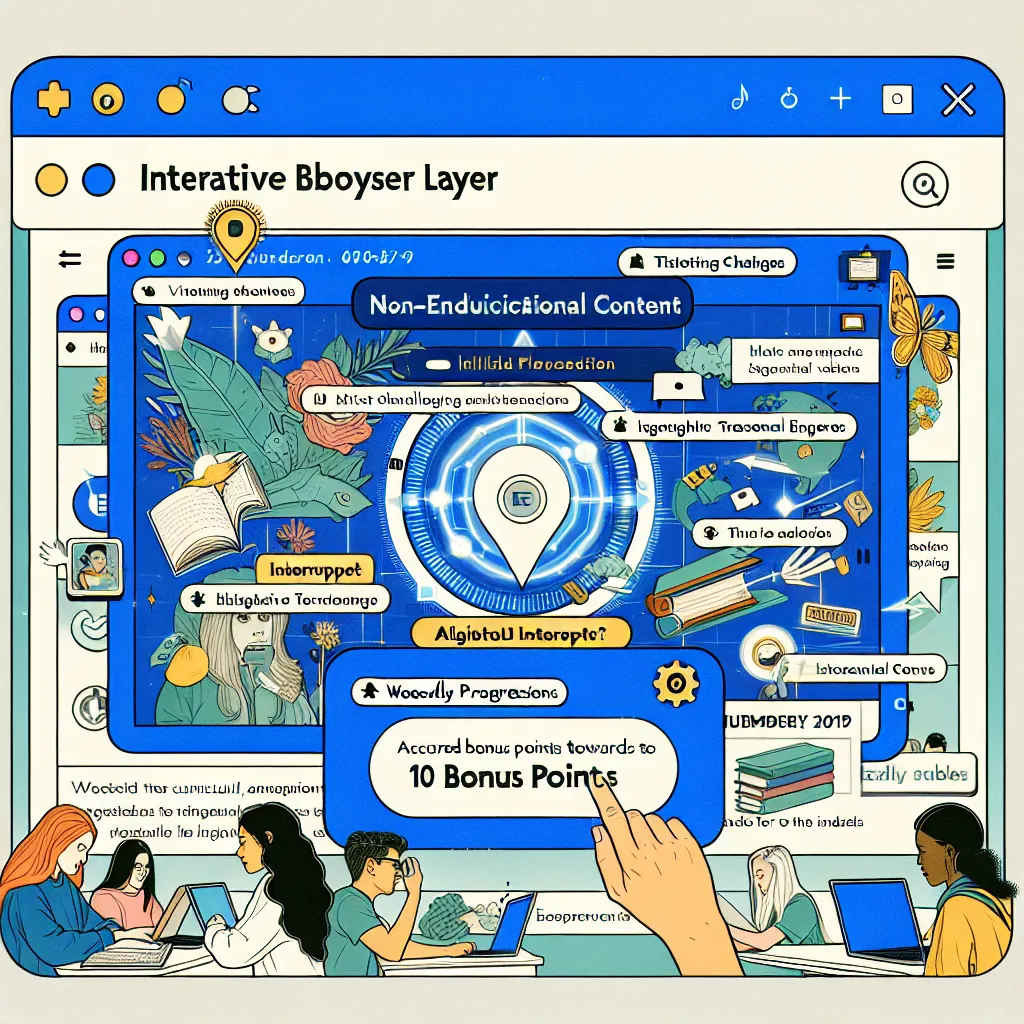
Students are already on screens; the unmet opportunity is rerouting tiny moments of distraction into tiny moments of learning. Micro-Learning Intercept is a soft-nudging browser layer that detects non-educational drifting (YouTube shorts, IG reels, shopping sites) during school hours and inserts 60–90 second micro-challenges tied to curriculum or personal interests. Not punishment — just friction-light redirection. Why now: Schools hate blocking tech, and AI-generated micro-lessons make personalized learning cheap. Example: A student drifting into TikTok during study hall gets a 75-second math challenge aligned with next week’s test; completing 10 intercepts per week gives them class-wide bonus points.
Description
No additional description provided.
The Pitch
In an increasingly digital educational landscape, students are frequently engaging with various screen-based distractions that can detract from their learning experience. These diversions, such as social media and non-educational videos, often lead to missed opportunities for engagement with meaningful content. This pattern presents a unique opportunity to introduce Micro-Learning Intercept—a technology-driven solution designed to transform brief moments of distraction into educational benefits.
Imagine a tool that seamlessly integrates into a student's browsing experience, swiftly detecting non-educational sites visited during school hours and gently redirecting attention through short, personalized learning challenges. These micro-challenges, lasting just 60 to 90 seconds, would be based on either curriculum needs or individual interests, offering a frictionless way to keep students academically focused without the feeling of being punished.
The rationale for introducing this now is clear: schools often resist implementing strict blocking technologies due to their disruptive nature. Meanwhile, advancements in AI have made creating personalized micro-lessons both feasible and cost-effective. This combination provides an ideal framework to address the gap between distraction and attention.
A working example of Micro-Learning Intercept could see a student wandering onto a platform like TikTok during a study period. Instead of being blocked, they receive a 75-second math problem related to an upcoming test. Successfully completing these challenges, perhaps ten in a week, could earn them incentives such as bonus points applicable to their class performance.
To bring this concept to reality, a minimal viable product could be built using existing browser extension technologies, combined with AI-driven content creation algorithms. Tools like JavaScript and Python could serve as the backbone for development, while AI models could provide the dynamic, personalized content adjustments.
The go-to-market strategy should focus on partnerships with educational institutions, positioning Micro-Learning Intercept as an ally to existing curricula rather than a restrictive tool. Initial rollout could be piloted in a few key schools or districts that express interest, gathering data and feedback to refine user experience and curriculum alignment.
When it comes to the business model, the platform could adopt a subscription-based service targeting schools, districts, and possibly parents who wish to integrate digital focus tools into their children's education. Additionally, offering customization options for different educational standards and subjects would provide added value.
Overall, Micro-Learning Intercept addresses a significant and growing issue in contemporary education: the challenge of digital attention. By repurposing fleeting distractions into productive learning moments, it not only enhances educational outcomes but also aligns with the technological and individual needs of today's students.