Membership Platform for Rare Natural Event Travel
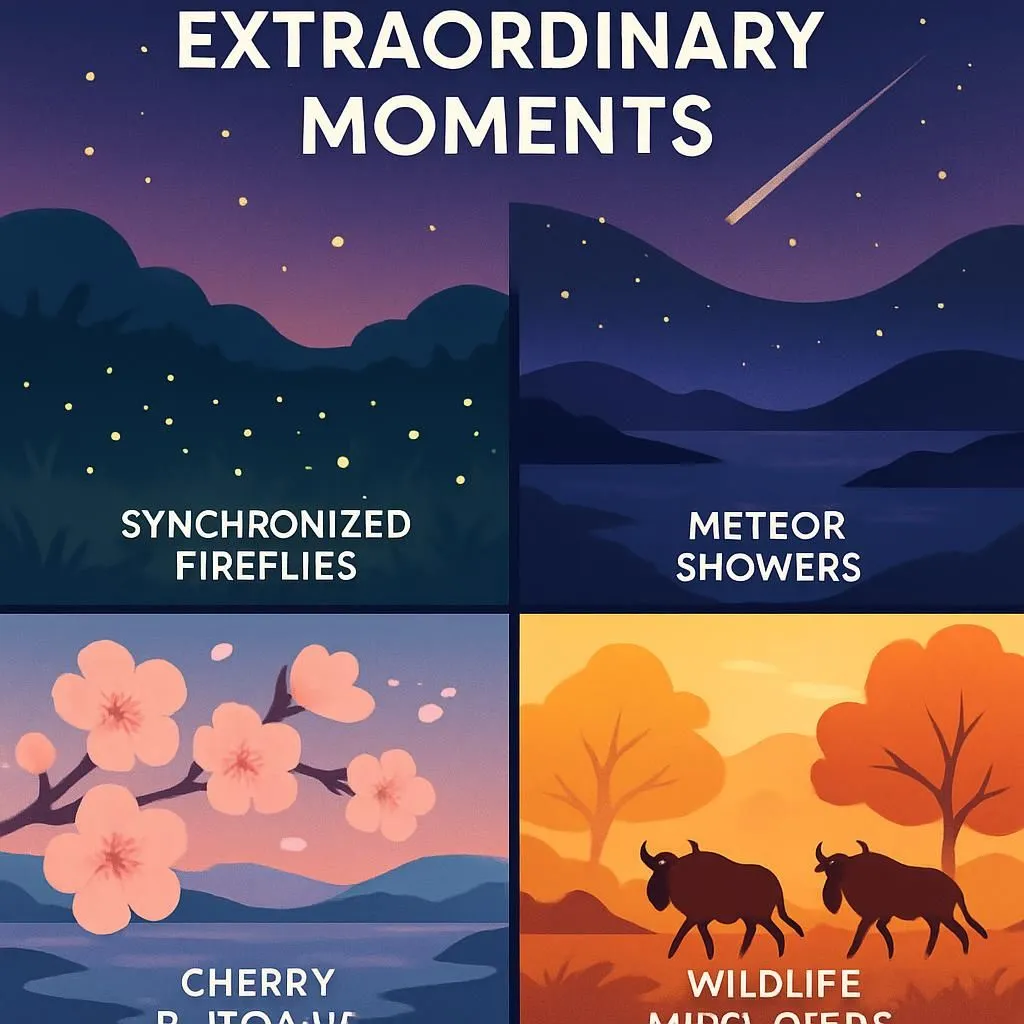
A growing number of travelers are planning trips around short-lived natural events rather than destinations themselves. Whether it’s synchronized fireflies, cherry blossoms, whale migrations, bioluminescent beaches, meteor showers, fall foliage, or wildlife migrations, these experiences often last only days or weeks each year and can be difficult to predict or access. Travelers frequently miss booking windows, struggle to identify peak viewing periods, or discover opportunities after they have already passed. This startup creates a membership platform that tracks, forecasts, and curates rare natural events around the world, helping users discover, plan, and book trips around nature’s most extraordinary moments. As consumers increasingly prioritize experiences over possessions, a new category of travel company can emerge around helping people capture moments that cannot simply be scheduled for another time.
Description
No additional description provided.
The Pitch
Hotels, flights, and tours can be compared and booked almost anywhere, but the actual reason to go—the two-night firefly peak, the week a desert blooms, the few mornings when mist and light align—is perishable and poorly organized. A company that understands the calendar of nature better than the traveler does could become the missing layer between inspiration and booking.
The strongest insight is that these trips are not really destination-led. Someone who wants to see cherry blossoms or whale calves is not loyal to a city or country in the usual way; they are loyal to a phenomenon. That changes the shape of demand. Instead of asking “Where should I go in April?” the traveler is asking “What is briefly extraordinary in April?” A business built around that question could surface trips that traditional travel search hides, because traditional search begins with place, not timing.
Prediction would also create trust in a category where disappointment is unusually painful. Missing a normal museum reservation is annoying; arriving one week late for a migration or bloom can ruin the whole purpose of a trip. The value is not just information, but confidence. If the company becomes known for knowing when to go—not perfectly, but better than scattered blogs, local tourism boards, and old forum posts—it earns a role closer to an expert guide than a content site.
There is also a useful tension between mass travel and fragility. Many of these natural events cannot absorb unlimited crowds, and the best version of the business would not simply blast attention toward delicate places. Its advantage could come from distributing demand intelligently: pointing travelers to lesser-known events, shoulder dates, alternative viewing sites, and operators who manage access responsibly. That makes curation more valuable than scale for its own sake.
What makes the idea durable is that nature creates a constantly renewing reason to pay attention. The calendar repeats, but never identically. Conditions shift, forecasts change, sightings begin, windows close. That gives the business a rhythm more like weather, finance, or live sports than static travel media. People would return not because they forgot where Paris is, but because the world keeps producing fleeting moments they would otherwise miss.