Marketplace Connecting Brands with Micro-Influencers
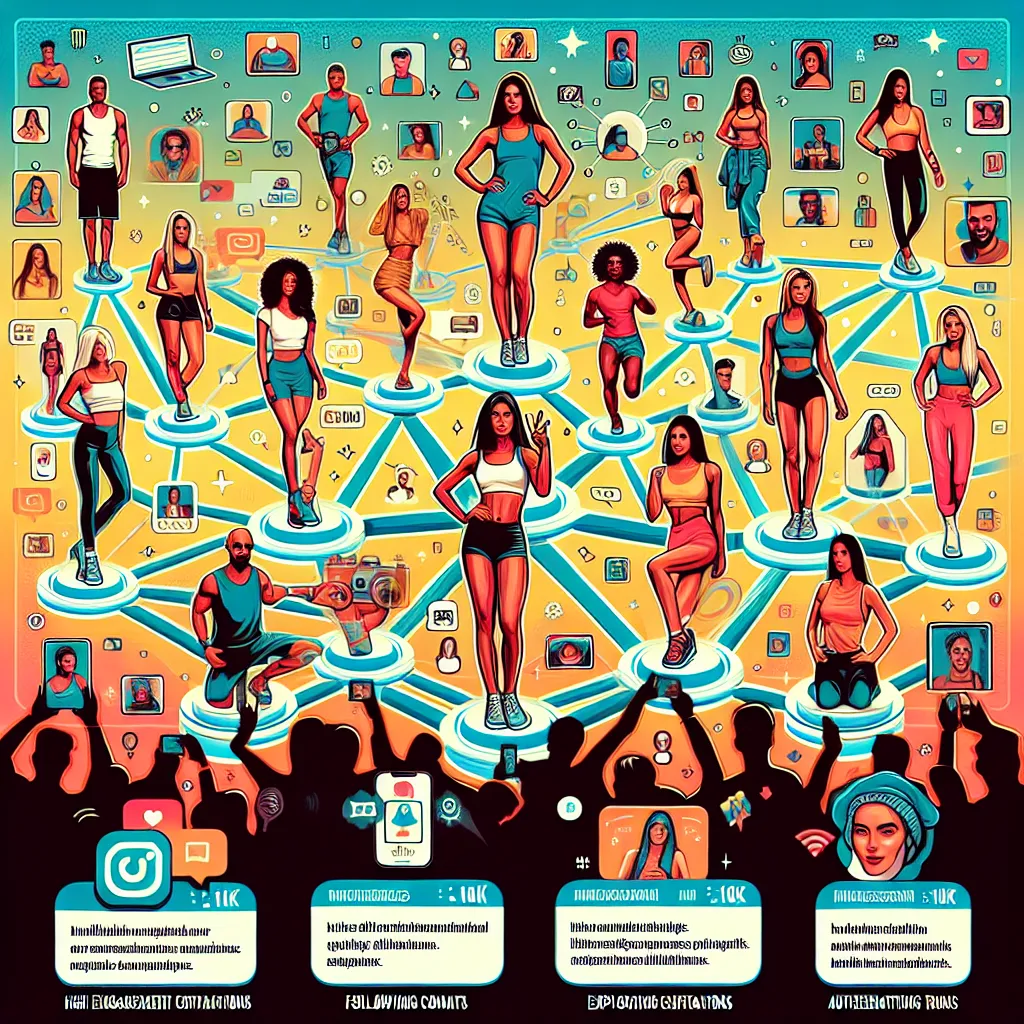
Most brands still chase mega-influencers, but that’s not where trust lives anymore. The real leverage sits with micro-influencers — creators with 1K–10K followers who command niche, loyal communities. The problem is they’re invisible to big agencies and too fragmented for brands to manage at scale. Enter a marketplace that bundles micro-influencers into packages brands can buy like ad units: want 200 fitness TikTokers or 150 skincare Instagrammers? Pay once, and the platform handles discovery, contracts, distribution, and reporting. Why now? Gen Z trusts peers over polished ads, algorithms reward engagement density, and AI makes it possible to match briefs with the perfect swarm of micro-voices. A startup skincare brand, instead of dropping $100K on one celebrity, could spend $10K on a curated pack of 200 micro-influencers — and end up with more authentic reach, deeper engagement, and higher conversions.
Description
No additional description provided.
The Pitch
In recent years, influencer marketing has undergone a significant transformation. Traditional strategies focused on mega-influencers with millions of followers, but the landscape is shifting toward more authentic and relatable engagement. Today's consumers, especially Gen Z, place their trust not in polished advertisements but in genuine endorsements from peers. This change has spotlighted micro-influencers, individuals who, despite their smaller followings of 1,000 to 10,000, foster strong connections and wield significant influence over niche audiences.
**Backstory and Problem**
For years, brands have struggled with the immense challenge of influencer marketing at scale. Mega-influencers provided reach but often lacked genuine engagement and trust. On the other hand, micro-influencers, although effective, pose a logistical nightmare for businesses. Managing hundreds of small engagements, each with unique contracts, content guidelines, and reporting metrics, is resource-intensive and daunting. Additionally, micro-influencers remain largely invisible to big agencies due to their vast numbers and geographical dispersion.
**Solution**
The solution lies in creating a marketplace specifically designed to aggregate micro-influencers into cohesive, manageable units. This platform would function akin to a stock market for influencers, allowing brands to purchase curated bundles of micro-influencer engagements. By doing so, brands can still enjoy the authenticity and high engagement rates that micro-influencers offer without the administrative burdens typically associated with managing them individually.
**Product Details and Features**
1. **Discovery Tools**: Utilize AI-driven algorithms to discover and categorize micro-influencers based on niche interests and audience demographics. This makes finding the perfect fit for a brand’s campaign effortless.
2. **Bundled Offerings**: Allow brands to compose packages of micro-influencers based on specific criteria — such as 200 fitness TikTokers or 150 skincare Instagrammers. Brands pay a single fee, and everything from contracts to content distribution is handled by the platform.
3. **Contract Management**: Streamline negotiations and agreements through standardized contracts, ensuring compliance and consistency across all influencer partnerships.
4. **Content Distribution and Management**: Ensure that branded content is delivered effectively and tracked for performance across varied social media platforms, using integrated tools for scheduling and posting.
5. **Analytics and Reporting**: Provide comprehensive metrics on campaign performance, including engagement rates, reach, and conversions, enabling brands to measure the return on investment accurately.
**Tools for MVP and Launch Strategy**
- **MVP Tools**: Use platforms like Bubble or Webflow for building the initial web interface quickly. Leverage machine learning tools such as TensorFlow for the influencer discovery algorithm. Integrate content management systems like Contentful to handle content distribution efficiently.
- **Go-to-Market (GTM) Strategy**: 1. **Pilot Program**: Start with a pilot program involving a small number of carefully selected brands and influencers to gather feedback and refine the platform. 2. **Partnerships**: Collaborate with micro-influencer management firms and industry associations to build credibility and access large pools of potential influencers. 3. **Content Marketing**: Engage in educational content marketing to help potential customers understand the benefits of micro-influencer marketing. 4. **Webinars and Workshops**: Host events to showcase the platform, discuss industry trends, and educate brands on maximizing influencer engagement.
**Business Model**
The monetization strategy could involve a subscription fee for brands accessing the marketplace platform, or a commission-based model where a percentage of each transaction goes to the platform. Additionally, premium features such as advanced analytics, personalized consultancy, and priority support could be offered at higher price tiers. This ensures a steady stream of revenue while also scaling up with the number of transactions conducted on the platform.
In conclusion, by harnessing the potential of micro-influencers, this marketplace not only solves a persistent problem in brand marketing but also taps into a growing trend of authenticity and engagement. As consumer behavior continues to evolve, this platform offers a timely, efficient, and scalable solution for brands looking to connect more profoundly with their target audience.