Mapping Second-Order Effects of Growth Trends
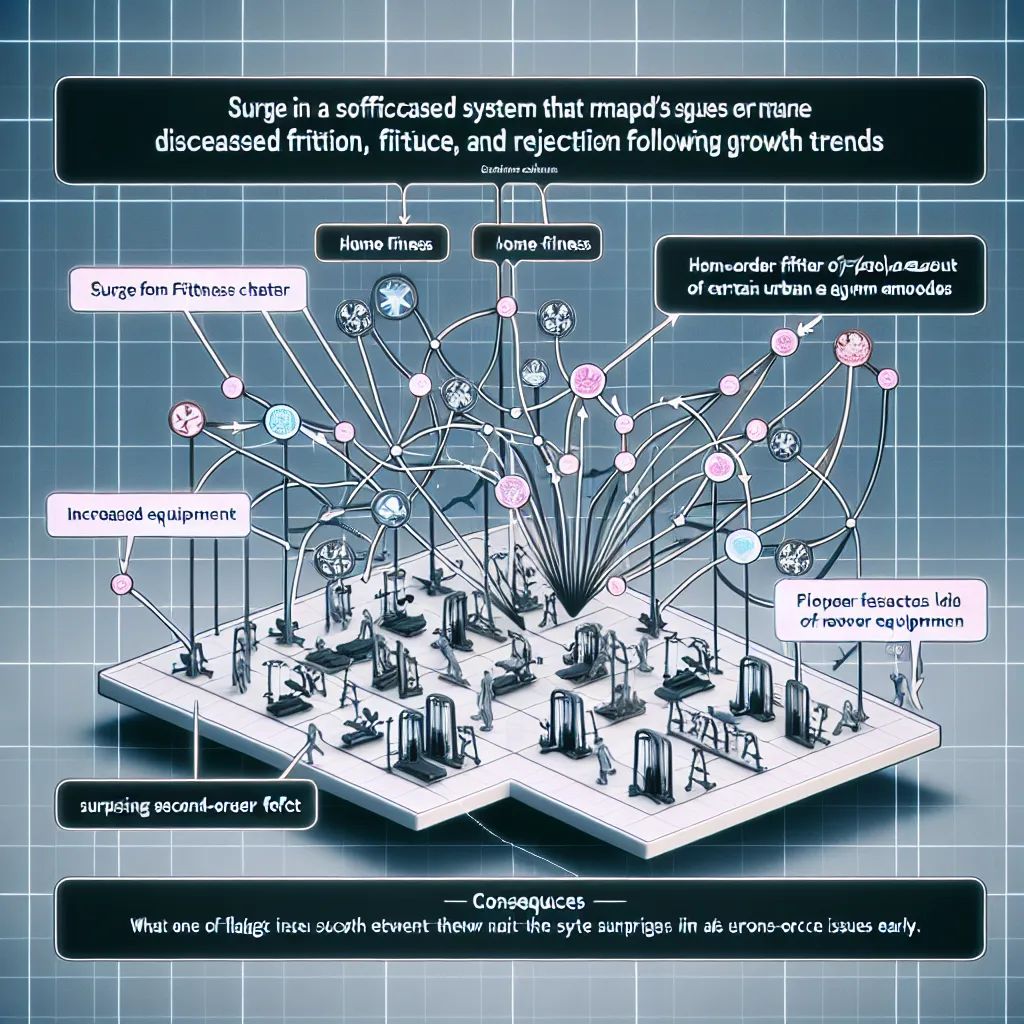
Most trend tools show what’s growing, but founders and operators get blindsided by what breaks as a result. This system maps second-order effects by observing how people talk about friction, fatigue, and rejection downstream of growth trends. It’s timely because change is compressing timelines — consequences arrive faster than institutions expect. A surge in home fitness chatter doesn’t just boost equipment sales; it quietly collapses demand for certain urban gym models, which this platform flags early.
Description
No additional description provided.
The Pitch
In an era of rapid change, businesses often struggle to anticipate the hidden impacts of emerging trends. Most conventional trend analysis tools focus solely on what’s gaining traction, leaving founders and operators vulnerable to unforeseen consequences. The Trend-Friction Mapping System is designed to address this gap by analyzing the discussions surrounding friction, fatigue, and rejection that emerge as secondary effects of growth trends.
Backstory
As industries evolve, driven by technological advances and shifting consumer behaviors, the pace of change has accelerated significantly. Companies are frequently blindsided by unforeseen challenges that arise alongside these trends, impacting their operations, strategy, and bottom line. For example, a sudden rise in home fitness popularity boosts equipment sales but simultaneously reduces demand for urban gym memberships. Such insights are crucial for businesses to adapt and thrive.
Problem
The current landscape lacks a comprehensive solution that identifies and analyzes second-order effects of growth trends. Businesses miss critical opportunities to mitigate risks and capitalize on new avenues because they cannot foresee the broader implications of evolving patterns.
Solution
The Trend-Friction Mapping System offers a proactive approach to understanding how growth trends influence industries. By employing advanced data analytics and natural language processing, the system captures conversations related to operational friction, user fatigue, and product rejection evident in social media, forums, customer reviews, and industry reports. This allows businesses to adjust their strategies accordingly, ensuring resilience and agility in a fast-paced environment.
Product Details
The core elements of the Trend-Friction Mapping System include:
1. Data Aggregation: Collects data from diverse online platforms to ensure a comprehensive understanding of consumer sentiments and industry dynamics. 2. Advanced Analytics: Utilizes machine learning algorithms to identify patterns and anomalies associated with emerging trends. 3. Real-time Insights: Delivers timely reports and alerts regarding the potential downstream effects of identified trends. 4. Customizable Dashboards: Provides businesses with tailored views of the data most relevant to their specific needs. 5. Predictive Modeling: Offers foresight into potential future scenarios based on current data trajectories.
Tools for MVP Launch
To build and launch the Trend-Friction Mapping System as a Minimum Viable Product (MVP), the following tools and technologies are recommended:
- Web scraping tools for data collection - Machine learning frameworks such as TensorFlow or PyTorch for analytical modeling - Natural Language Processing libraries like spaCy or NLTK for text analysis - Cloud computing platforms such as AWS or Google Cloud for scalability - Interactive data visualization tools like Tableau or Power BI for dashboard creation
Go-to-Market Strategy (GTM)
1. Identify Early Adopters: Target businesses in dynamic sectors like technology, healthcare, and retail, where trend impact is highly visible and immediate. 2. Industry Partnerships: Collaborate with market research firms and consultancy agencies to establish credibility and extend reach. 3. Content Marketing: Develop thought leadership content to educate potential users about the importance of understanding second-order effects. 4. Pilot Programs: Offer trial versions of the system to key industry players in exchange for feedback and testimonials. 5. Webinars and Workshops: Host events that demonstrate the system’s capabilities and educate users on leveraging insights effectively.
Business Model
The Trend-Friction Mapping System will utilize a subscription-based business model, offering tiered pricing plans based on data volume and advanced feature access. Additional revenue streams could include consultancy services for businesses seeking specialized insights and customization.
Conclusion
The ability to foresee and address second-order effects is critical for businesses seeking long-term success. By investing in the Trend-Friction Mapping System, companies can enhance their strategic foresight, remain agile amidst change, and achieve sustainable growth.