Mapping America's Unseen Industrial Engines
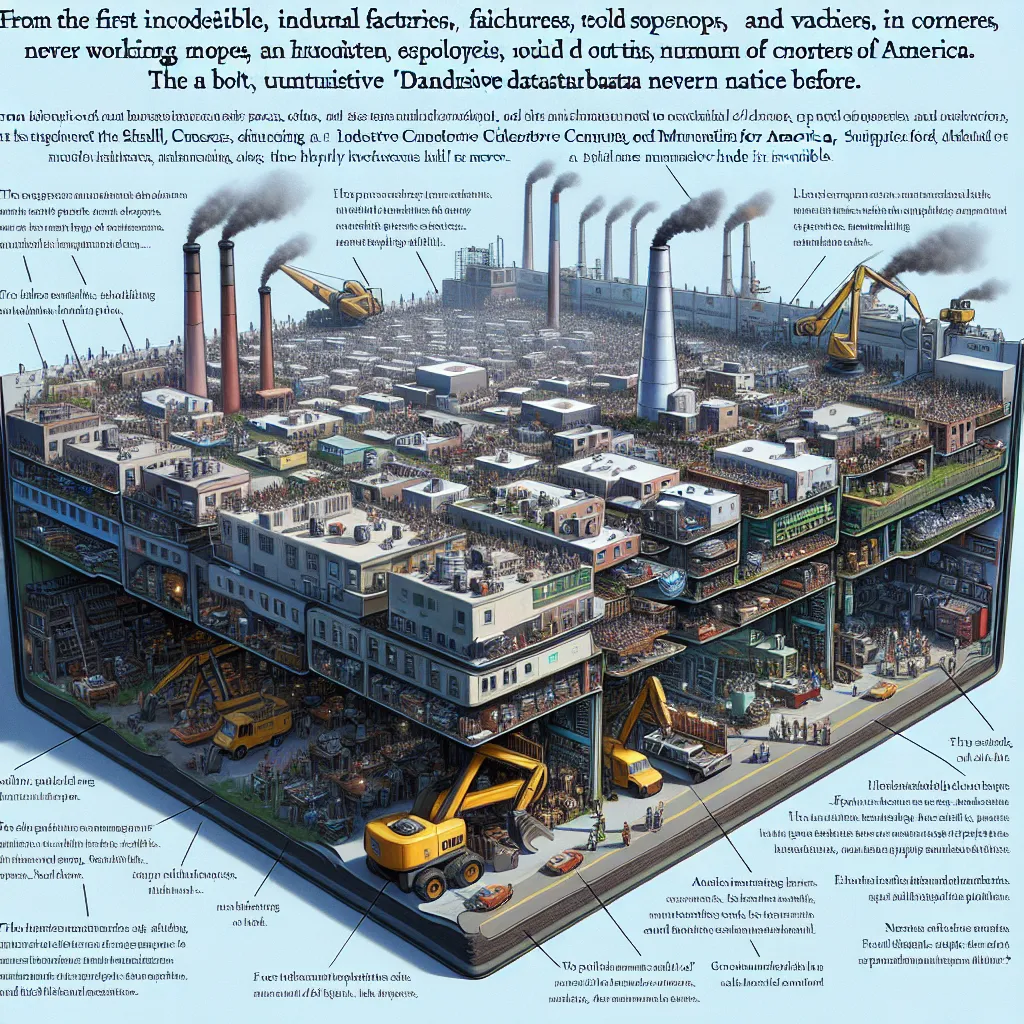
America runs on invisible engines — the small factories, tool shops, and machine rooms that never make it into a database. We don’t actually know who builds what, where, or how much capacity sits idle. This is the missing map of the real economy. The problem: you can’t scrape this online or buy it from Dun & Bradstreet. The only way to get it is to drive. Literally. Send fleets of cars (or drones) to every industrial park, warehouse strip, and small-town fabrication shop in the country. Photograph, verify, and log production data — number of machines, employees, materials, shifts. The result: the first real-time “industrial census” of America. Governments would buy it. Supply-chain investors would pay millions for it. AI manufacturing startups would train models on it. Every logistics, reindustrialization, or defense initiative needs it. Whoever builds the physical-world version of Crunchbase for production wins a billion-dollar market no one else has the patience (or gas money) to tackle.
Description
No additional description provided.
The Pitch
In a world where data drives decisions, there exists a significant blind spot: the dynamic landscape of small factories, tool shops, and machine rooms scattered across America. These entities, the invisible engines of the economy, are often overlooked because they don't appear in conventional databases. We lack a comprehensive understanding of who builds what, where, and how much manufacturing capacity remains untapped. This document presents a visionary opportunity to bridge this information gap and unlock vast economic potential.
Backstory: America's manufacturing sector, especially at the grassroots level, is a bustling hive of activity that traditionally escapes the radar of data aggregators. These small-scale manufacturers contribute significantly to the economy by providing essential parts and products. However, there's no centralized source for this information, which makes it challenging for government policymakers, investors, and innovators to harness its potential.
Problem: The absence of a detailed, up-to-date map of America's manufacturing landscape presents numerous challenges: - Policymakers and economic planners lack the data needed to make informed decisions. - Investors face hurdles when evaluating supply chains or making targeted investments. - AI startups focused on manufacturing technology need comprehensive datasets to train their models effectively.
Solution: The solution lies in creating the first real-time “industrial census” of America. This involves deploying fleets of vehicles, possibly including drones, to document the nation's manufacturing facilities. By photographing, verifying, and logging critical production data such as the number of machines, employees, materials used, and shift patterns, we can compile an unprecedented resource.
Product Details: 1. **Data Collection System**: - Vehicles equipped with cameras and sensors to capture images and data. - Drones for accessing areas that are otherwise difficult to reach. - Advanced software to analyze and verify collected information.
2. **Database Development**: - A comprehensive database storing detailed profiles of manufacturing entities. - Seamless integration with geographic information system (GIS) tools.
3. **User Interface**: - An accessible platform for users to query and view data. - Customizable dashboards for different user needs, such as government, investors, and manufacturers.
Tools for Launching the MVP: - Utilize mapping and data collection tools such as ArcGIS and Google Maps for initial groundwork. - Leverage machine learning algorithms for data verification and analysis. - Employ cloud services like AWS or Azure for database hosting. - Use modern web development frameworks like React or Angular for building the user interface.
Go-to-Market Strategy: 1. **Partnerships with Local Governments**: - Collaborate with municipal and state governments to gain initial traction and credibility. - Offer pilot programs to demonstrate value.
2. **Engage with Industry Stakeholders**: - Partner with industry associations and chambers of commerce. - Offer early access to manufacturers for self-reporting features.
3. **Networking with Investors and Startups**: - Identify key investors in manufacturing and logistics sectors. - Present at conferences and trade shows dedicated to supply chain, manufacturing, and technology.
Business Model: - **Subscription-Based Access**: Charge variable subscription fees depending on the size and nature of the organization accessing the data. - **Custom Analytics Packages**: Offer bespoke data analytics and insights services for businesses and governments. - **Licensing Fees**: License data to third-party companies for integration into their platforms and models.
Conclusion: Creating a real-time, detailed map of America's industrial capacity is a transformative opportunity that addresses a significant gap in the current economic landscape. By capturing and organizing this information, we can empower government policymakers, attract investment, and accelerate innovation within the manufacturing sector. The blueprint is set for a billion-dollar market opportunity, waiting for the right vision and execution to bring it to life.