Managing Toxic Exposure Risk in Supply Chains
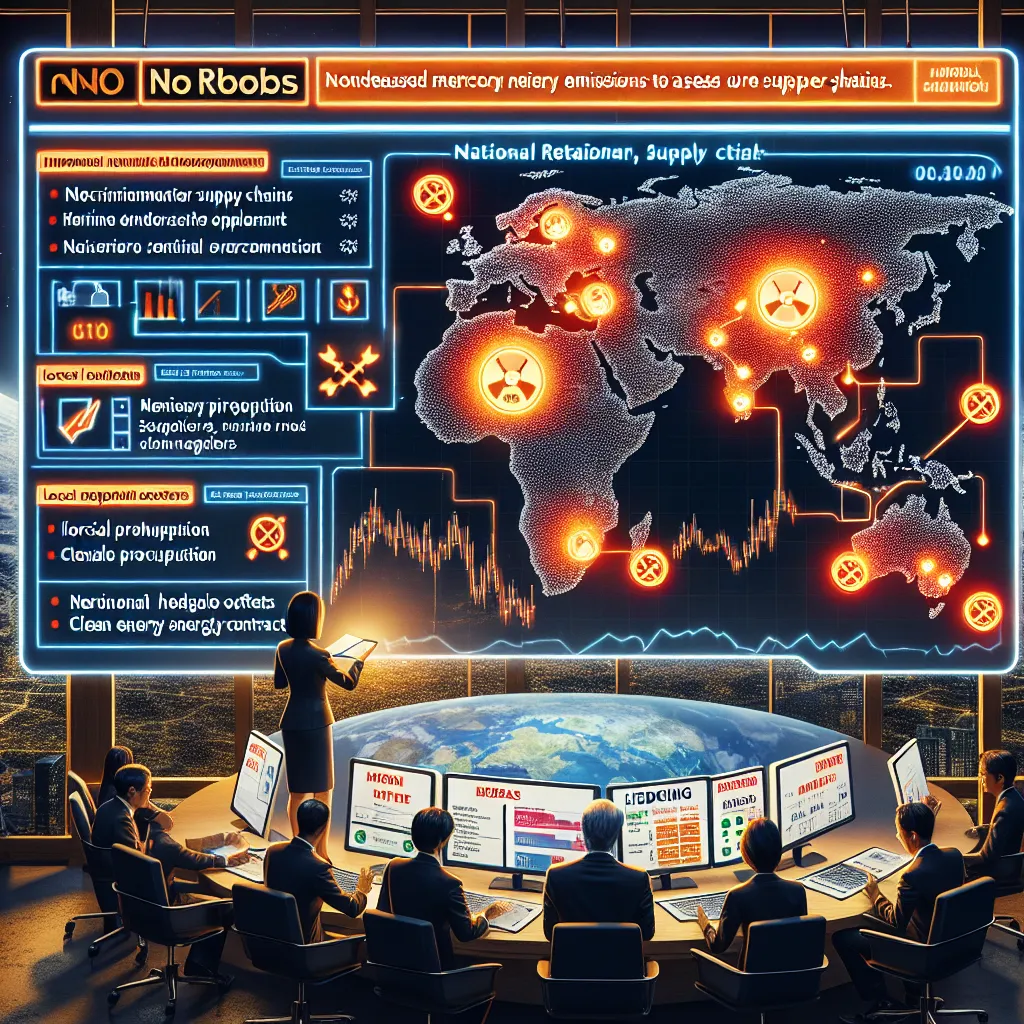
Large corporations with ESG commitments face a new problem: suppliers or utilities may increase mercury or toxic emissions due to looser rules, exposing brands to reputational risk. This platform quantifies “toxic exposure risk” across supply chains and automatically recommends hedging actions — renewable procurement, local offsets, or supplier switches. Why now? Federal rollbacks increase regulatory variability, making environmental risk harder to predict. Example: A national retailer operating warehouses in coal-heavy grids uses the platform to assess exposure and secure voluntary clean energy contracts before activist pressure hits.
Description
No additional description provided.
The Pitch
In recent years, large corporations have increasingly committed to Environmental, Social, and Governance (ESG) goals as part of their overarching business strategies. These commitments reflect a growing recognition of the importance of sustainability, ethical governance, and social responsibility. However, as corporations push to meet these goals, they face a new and significant challenge—navigating the complexities of supply chains intertwined with varying environmental regulations and practices.
**Problem**
A pressing issue is the potential for increased environmental risk exposure. As federal and local regulations fluctuate, suppliers and utilities may alter their emissions and environmental policies, sometimes resulting in elevated levels of mercury or other toxic pollutants. These changes can tarnish the reputation of corporations striving to uphold their ESG standards. Additionally, the lack of transparency and difficulty in predicting regulatory shifts further complicate risk management, leaving corporations vulnerable to public scrutiny and activist pressures.
**Solution**
To address these challenges, a specialized platform is proposed to quantify toxic exposure risk within corporate supply chains. This platform would leverage data analytics to evaluate the environmental practices of suppliers and utilities. It would then provide actionable insights and recommendations for hedging against these risks through strategies such as renewable energy procurement, local carbon offsets, or switching to more sustainable suppliers.
**Product Details**
- **Toxic Exposure Risk Assessment:** Utilizing real-time data integration from suppliers and utilities, the platform assesses the environmental impact, focusing on emissions and regulatory compliance.
- **Automated Recommendations:** The platform employs machine learning algorithms to generate tailored recommendations for reducing exposure risk. These may include entering into voluntary clean energy contracts, investing in local offset projects, or transitioning to suppliers with robust environmental policies.
- **Dashboard Interface:** An intuitive dashboard presents an at-a-glance overview of risk exposure levels and recommended actions, complete with potential cost analyses and environmental impact forecasts.
- **Integration Capabilities:** Seamless integration with existing Enterprise Resource Planning (ERP) systems and data feeds for continuous monitoring and updates.
**Tools for MVP Launch**
- **Analytical Software:** Utilize platforms such as Tableau or Power BI to create the data visualization component of the dashboard.
- **Machine Learning Libraries:** Employ Python libraries like TensorFlow or Scikit-learn to develop predictive analytics features within the platform.
- **Cloud Services:** Leverage AWS or Azure for scalable cloud computing resources to ensure the platform can handle large volumes of data efficiently.
- **API Development:** Use RESTful API design to facilitate integration with company databases and third-party environmental data providers.
**Go-To-Market Strategy**
- **Target Audience:** Focus initially on industries with substantial supply chains and significant ESG commitments, such as retail, manufacturing, and technology.
- **Partnerships:** Develop strategic alliances with environmental consultancy firms and regulatory bodies to enhance the platform's capabilities and credibility.
- **Pilot Programs:** Implement pilot projects with selected corporations to showcase success stories and gather testimonials.
- **Marketing Campaigns:** Utilize digital marketing channels, emphasizing the platform's ability to mitigate reputational risk and enhance sustainability.
**Business Model**
- **Subscription-Based Model:** Offer tiered subscription plans based on the size of the corporation and the complexity of its supply chain, with premium features available at higher pricing levels.
- **Consulting Services:** Provide expert consulting to help corporations maximize the platform's value, from implementation guidance to strategy workshops.
This platform seeks to empower corporations to take proactive measures in their ESG efforts, ensuring that they remain resilient in a landscape where environmental risks and regulatory changes are ever-present.