Managing AI Agents: A SaaS Solution for Companies
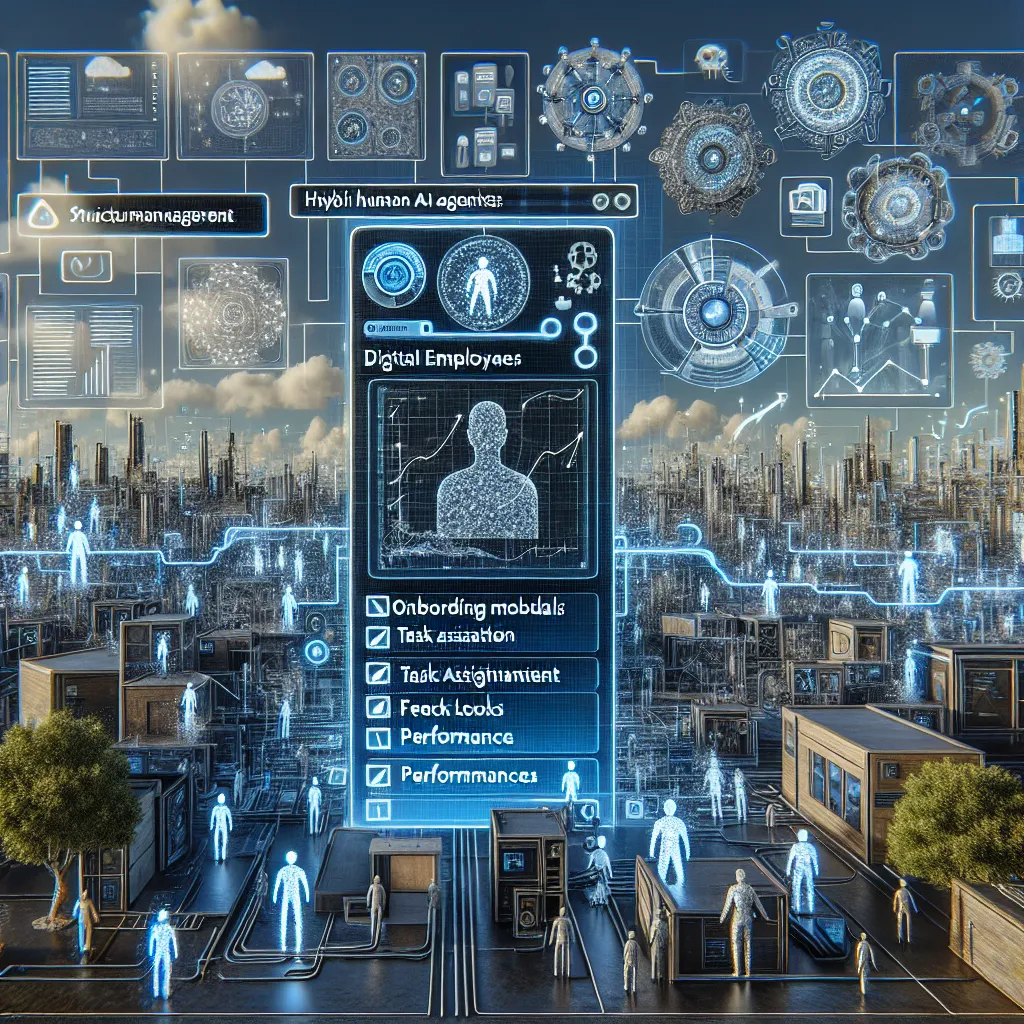
As AI agents begin functioning like digital employees, companies face a new problem: how to manage them. Unlike human workers, AI agents lack structured onboarding, training, or performance reviews. The current approach—plug them in and hope they work—is like hiring a PhD intern and giving them no support. The solution is a SaaS platform for managing AI agents like human teammates. It would offer onboarding modules, task assignment, feedback loops, and performance dashboards. “We're hiring these agents and expecting them to do magic… with no training, no onboarding, no feedback.” This software becomes essential infrastructure for hybrid human-AI teams as they become the norm.
Description
No additional description provided.
The Pitch
In a rapidly evolving technological landscape, businesses are increasingly incorporating AI agents into their teams. While these AI agents have the potential to function effectively as digital employees, they present a new set of challenges in management and integration. Unlike their human counterparts, AI agents do not benefit from structured processes such as onboarding, training, or performance evaluations. The current method of integrating AI—essentially deploying them and expecting immediate success—is akin to hiring a highly educated intern and providing no guidance or support.
This gap highlights an emerging necessity in the business world: a specialized platform that enables companies to manage AI agents as they would human teammates. Introducing a Software as a Service (SaaS) platform designed to provide comprehensive management solutions for AI agents. The platform would include features such as onboarding modules, task assignments, feedback loops, and performance dashboards, all tailored to the specific needs of AI agents. Through these tools, companies could ensure that their AI agents are not just functional but optimized to operate within their unique business environments.
The solution is a comprehensive platform that can seamlessly integrate into existing systems to provide the necessary structure for managing AI agents. This SaaS platform would make managing hybrid human-AI teams efficient and productive as they become the industry standard. By offering a user-friendly interface and robust functionality, companies will find it simpler to extract maximum value from their AI investments.
Product specifics would include:
1. Onboarding Modules: Customizable onboarding processes tailored to align AI agents with company goals and values. These modules could help establish clear expectations and functionality from the outset.
2. Task Assignment: An intuitive system for assigning tasks to AI agents, ensuring they understand priorities and deadlines just like human employees.
3. Feedback Loops: Tools for monitoring AI performance and providing immediate, actionable feedback. This feature would allow companies to continuously refine their AI's operations.
4. Performance Dashboards: Real-time analytics on AI agent performance, offering insights into efficiency, effectiveness, and areas for improvement.
Supporting the launch of this platform as a minimal viable product (MVP) could involve several existing tools and technologies. Leveraging cloud services for scalability, using machine learning to provide adaptive learning experiences, and integrating existing project management tools could create a seamless workplace environment.
To effectively bring this platform to market (GTM strategy), consider a combination of targeted marketing campaigns and partnerships with technology consultants and business management firms. Offering initial pilot programs to key industry players could validate the platform’s effectiveness and drive early adoption. Additionally, the use of content marketing, such as webinars and case studies, can educate potential customers on the benefits and practical applications of the platform.
In terms of a business model, a subscription-based approach could offer tiers of service, allowing companies to choose a level that fits their size and needs. This model provides predictable revenue streams and the flexibility for companies to scale their usage as they extend their AI capabilities.
In conclusion, as the integration of AI agents into business operations continues to grow, a structured, efficient management solution becomes critical. This platform not only resolves a current pain point but also positions itself as an essential component of future workplace ecosystems. The potential of AI agents can be fully realized when they are not just added to teams, but truly integrated into them.