Mainstream Grocers Embrace Rotating Zero-Waste Stations
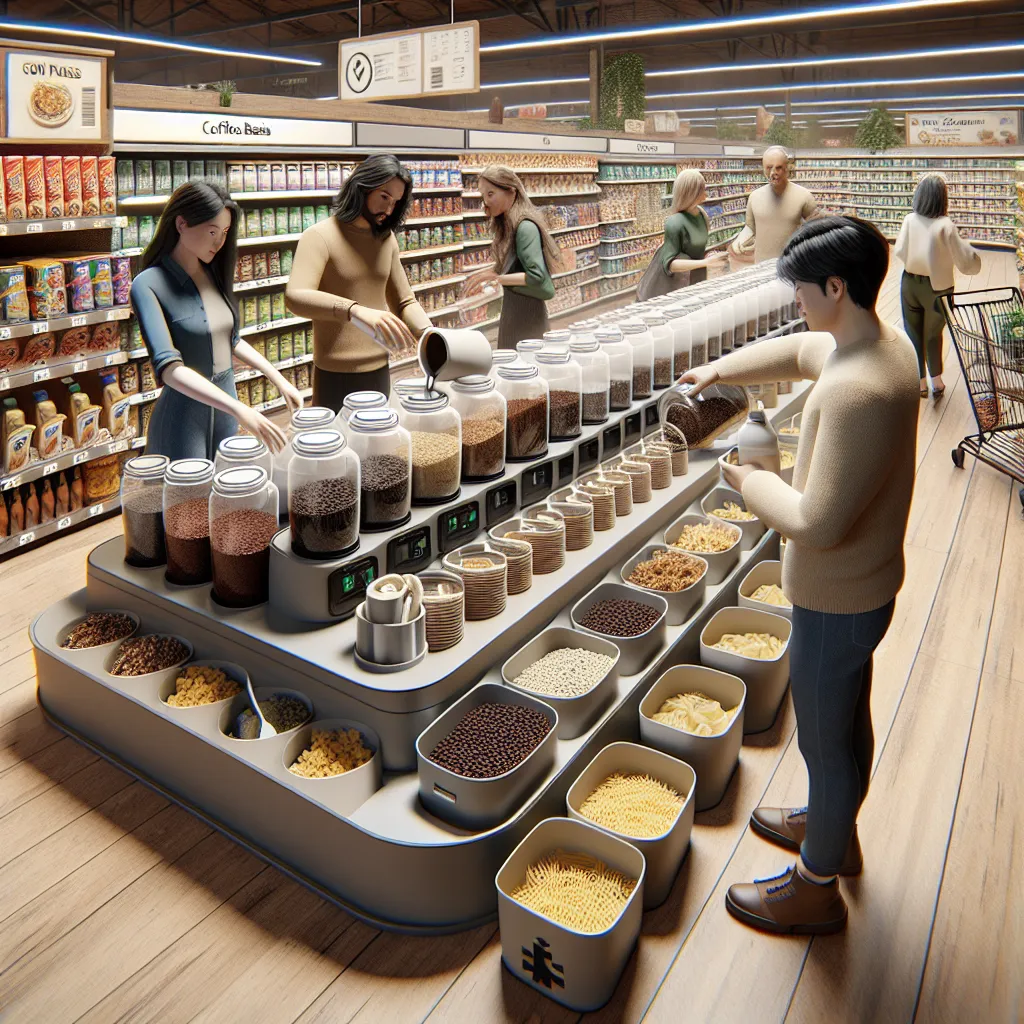
Eco-conscious shoppers want bulk goods without committing to specialty stores. This service sets up rotating zero-waste grocery sections inside mainstream supermarkets, using refillable containers. The trend: sustainability is mainstreaming into convenience retail. For example, a suburban Kroger hosts a 2-week bulk refill station for coffee, pasta, and snacks. Shoppers try it without a full lifestyle shift.
Description
No additional description provided.
The Pitch
In recent years, sustainability has transitioned from a niche interest to a mainstream priority for many consumers. More people are seeking ways to reduce their environmental impact, and shopping more sustainably is a significant part of that effort. However, the convenience of mainstream supermarkets often conflicts with the zero-waste philosophy found in specialty stores. Many shoppers are interested in reducing waste but are not ready or able to switch to entirely new shopping habits or locations.
Problem:
For environmentally-conscious consumers, the current grocery shopping landscape poses a dilemma. Specialty zero-waste stores offer sustainable shopping options but often require a dedicated trip and are limited in their geographic reach. On the other hand, mainstream supermarkets provide convenience but little in the way of zero-waste options. This gap discourages potential shoppers who are interested in making eco-friendly choices but are not prepared for a significant lifestyle change.
Solution:
The solution is a service that sets up temporary, rotating zero-waste grocery sections within mainstream supermarkets. These sections feature refillable containers for goods like coffee, pasta, and snacks. By bringing zero-waste options closer to consumers' regular shopping venues, the initiative encourages more sustainable shopping behaviors with minimal disruption to existing habits. This makes it easier for more individuals to try zero-waste shopping and incorporate it into their routine.
Product Details:
This zero-waste shopping initiative involves setting up pop-up bulk refill stations in participating supermarkets for limited durations, such as two-week intervals. These stations provide:
- A selection of popular items available in bulk, such as grains, coffee, snacks, and household items. - Refillable containers that allow shoppers to purchase the exact amount they need, reducing both food waste and packaging waste. - Educational materials and on-site staff to assist and inform customers about zero-waste practices.
Tools for Easy MVP Launch:
- Partner with established brands that offer bulk products to secure initial stock. - Use modular, easy-to-assemble stations that can be quickly installed and removed in supermarket aisles. - Implement a simple point-of-sale system that integrates with existing supermarket checkout processes. - Utilize social media and local community groups to market the pop-up events and build awareness.
Go-to-Market Strategy (GTM):
1. **Partner with Supermarkets:** Collaborate with large supermarket chains that exhibit an interest in sustainability. 2. **Pilot Launches:** Begin with pilot programs in select suburban locations to gather insights and refine the business model. 3. **Local Marketing Campaigns:** Engage local influencers and community organizations to promote the initiative. 4. **Feedback Mechanisms:** Implement a system for collecting customer feedback to continuously improve the service and product offerings. 5. **Expand Reach:** Based on successful pilot results, gradually expand to urban locations and additional suburbs.
Business Model:
- Revenue Stream: Generate revenue through sales of bulk products and partnerships with brands wanting to feature their products in these sections. - Subscription Plan: Consider offering subscription services for regular zero-waste kits that include staple items. - Sponsorship and Collaborations: Partner with sustainability-focused brands for joint marketing and sponsorship opportunities.
In summary, this venture aims to seamlessly integrate zero-waste shopping into the routines of eco-conscious consumers, leveraging the existing infrastructure of mainstream supermarkets. By prioritizing convenience and flexibility, the initiative has the potential to broaden the appeal of sustainable shopping practices.