Low-Cost, High-Throughput MRI Machines
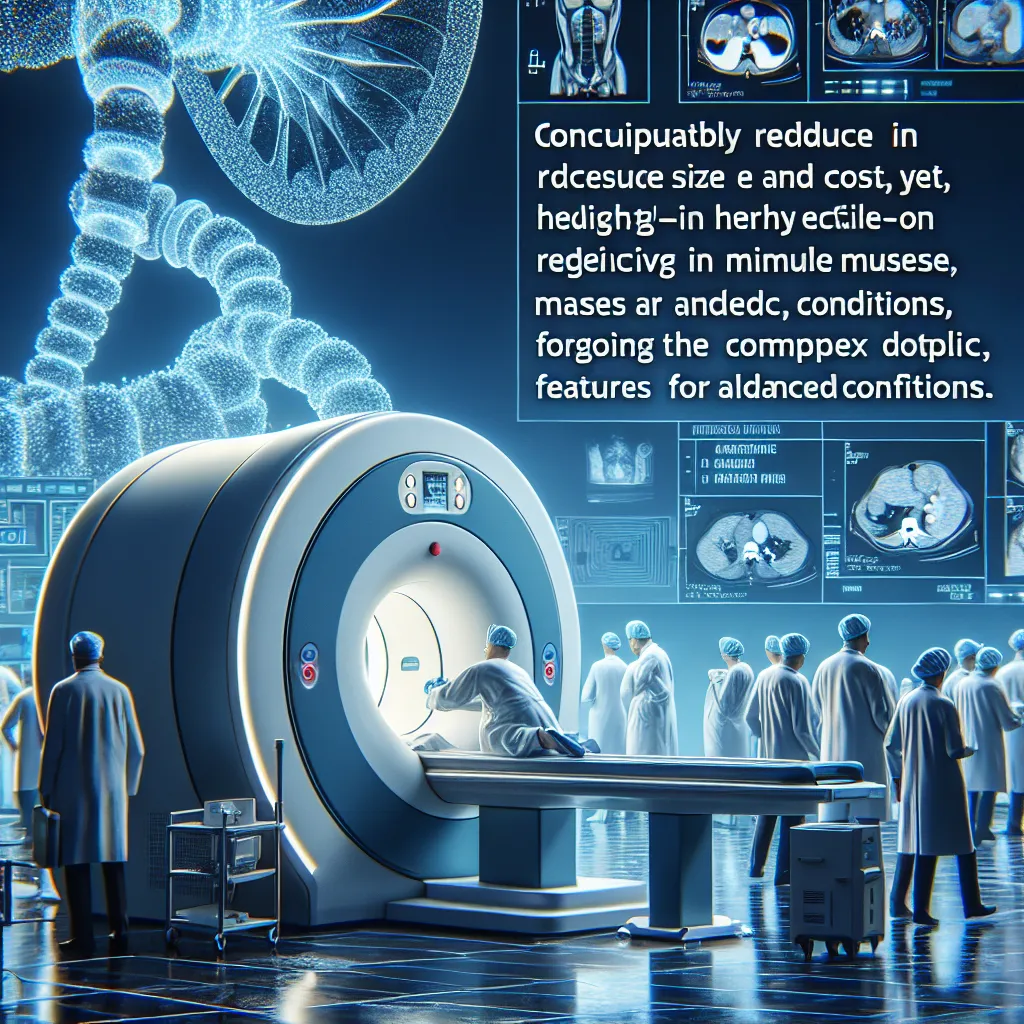
Smaller, cheaper, and faster MRI machines tailored for cancer screening. Focus on optimizing for early detection of small masses, without the full diagnostic capabilities needed for complex conditions. Dramatically increase the availability of affordable MRIs, especially in under-resourced regions. Current MRI machines are expensive, bulky, and not optimized for mass screening.
Description
No additional description provided.
The Pitch
In many parts of the world, early detection of cancer is hampered by the lack of affordable and accessible diagnostic tools. The size, cost, and complexity of traditional MRI machines make them impractical for widespread use, particularly in under-resourced areas. Recognizing this gap, we propose a novel approach: developing smaller, less expensive MRI machines designed specifically for early cancer detection, focusing on identifying small masses that are often overlooked until they develop into more serious conditions.
Our initiative directly caters to clinics and hospitals that aim to improve early cancer screening but are deterred by the high costs and large space requirements of current MRI technology. By shrinking the size and focusing the technology on early detection, we can create MRI units that are more accessible and cost-effective, thereby promoting widespread adoption.
Our business model centers around selling these compact MRI machines to healthcare providers at a lower purchase price than traditional MRIs, combined with a subscription service for ongoing maintenance and software updates which will include the latest advancements in cancer detection technology. This dual revenue stream ensures affordability and access while sustaining long-term business viability.
The product features innovative design elements such as: 1. Reduced physical footprint to fit in smaller clinics and mobile units. 2. Faster scan times, optimizing the throughput for mass screenings. 3. High-resolution imaging tailored to detect small masses accurately. 4. User-friendly interface for operation by a broad range of technicians. 5. Connectivity features for easy integration with health information systems.
In terms of go-to-market strategy, the initial focus will be on partnerships with health organizations in developing countries, where the need and impact are greatest. Collaborations with NGOs focused on cancer prevention can help facilitate pilot programs to demonstrate effectiveness and gather critical early feedback. A phased rollout to different regions will be guided by market demand, regulatory approvals, and partnerships with local distributors and healthcare providers.
The potential impact of such technology cannot be overstated: by increasing the availability and affordability of effective cancer screening, these specialized MRI machines can save lives with early detection while reducing healthcare costs and burdens on medical infrastructure in under-resourced regions. The ultimate goal is to create a new standard in preventive healthcare, one small yet powerful MRI unit at a time.