Low-Cost AI-Generated Digital Products Store
People searching for unique, low-cost creative assets often turn to platforms like Etsy, but most sellers are limited by time or design skill. A business focused on AI-generated digital products — from kids’ coloring books to budgeting templates — can meet this demand quickly and efficiently. With no physical inventory and high margins, this model is ideal as a low-risk side hustle. For example, an Etsy store could sell printable mindfulness coloring pages for $5 each, generated in bulk using prompts and vector art tools.
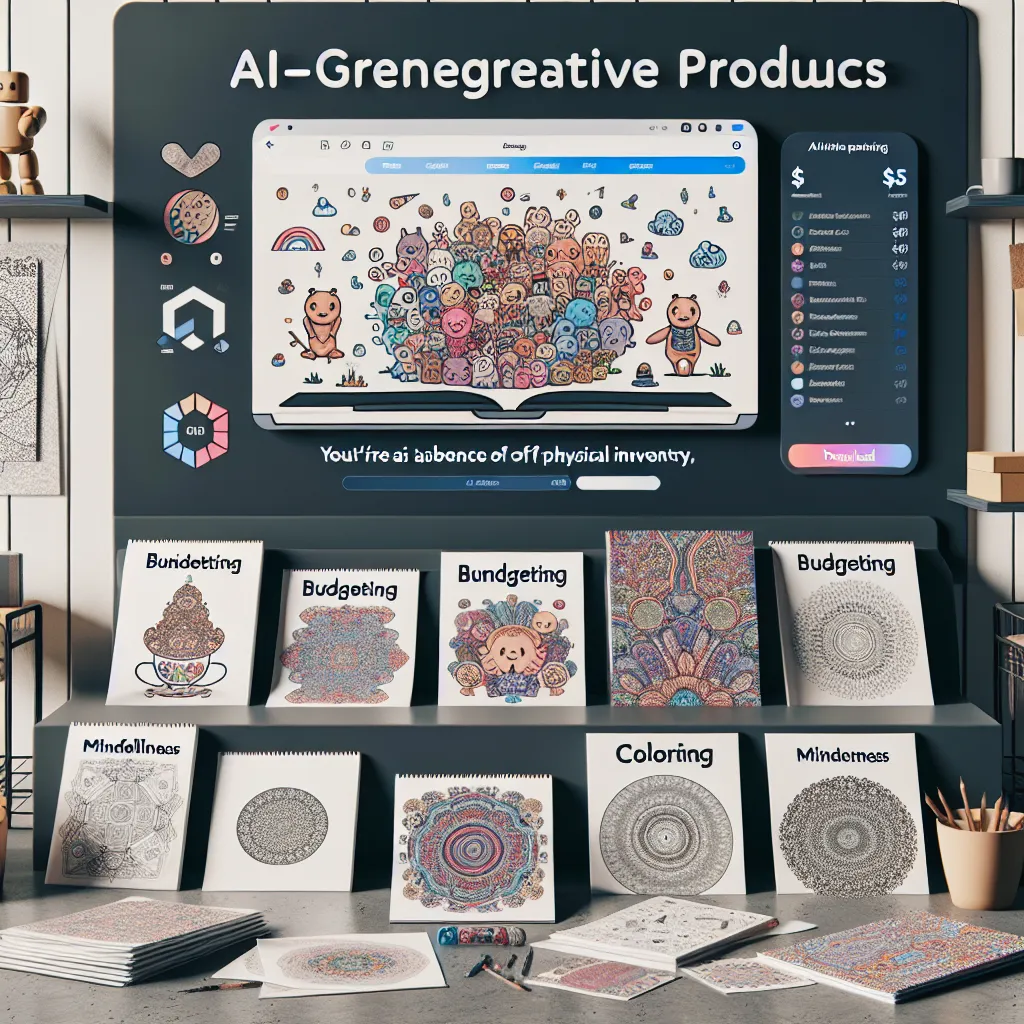
Description
No additional description provided.
The Pitch
There is a rising demand for unique and cost-effective creative assets in the digital marketplace. Traditional platforms like Etsy cater to this demand, but many sellers face limitations due to constraints on time or design expertise. An AI-powered platform that focuses on the production and sale of digital products could effectively address these gaps by providing high-quality assets quickly and efficiently. This document outlines a framework for establishing such a business, leveraging the power of artificial intelligence to transform the creative asset market.
Background
As the digital marketplace continues to expand, both consumers and small businesses are increasingly seeking creative assets that are affordable, unique, and readily accessible. Popular platforms house a plethora of sellers, but the marketplace is often saturated, and individual sellers can struggle to differentiate their offerings or produce items rapidly enough to meet demand.
Currently, many sellers rely on manual creation processes or purchase limited design resources to produce their goods. This not only consumes time but also imposes creative constraints. Moreover, the skill gap in design can limit the diversity and quality of products offered.
Problem
The primary issues faced by sellers in the creative asset market include:
1. Time-Intensive Production: Crafting unique designs manually is laborious and can restrict a seller's ability to scale. 2. Skill Constraints: Not all individuals possess the design capabilities needed to create attractive, marketable products. 3. Limited Inventory: Sellers often struggle to maintain a diverse catalog without investing significant effort or financial resources. 4. Price Sensitivity: Consumers seek affordable options, but production costs can drive prices higher for manually crafted designs.
Solution
By utilizing artificial intelligence and related technologies, sellers can automate the design process for creative assets. This approach offers several benefits:
1. Rapid Production: AI tools can generate a plethora of designs in moments, allowing sellers to quickly expand their product offerings. 2. Enhanced Creativity: AI-driven tools can explore design possibilities beyond human limitations, creating unique and appealing products. 3. Cost Efficiency: Automated processes reduce production costs, enabling sellers to offer products at competitive prices. 4. Scalable Inventory: AI tools enable the conservation of resources while still creating a diverse array of products.
Product Details
The business will focus on developing a platform that offers AI-generated digital products, such as:
1. Printable coloring books for children 2. Budgeting and financial management templates 3. Customizable event invitations and greeting cards 4. Motivational posters and digital prints 5. Educational resources like worksheets and infographics
Tools for Launch
Potential sellers can leverage a suite of tools to develop their product lines:
1. Generative AI Platforms: Tools like OpenAI's GPT or DALL-E can assist in creating content for products. 2. Vector Art Software: Tools like Adobe Illustrator or free alternatives like Inkscape can be used for refining AI-generated designs. 3. E-commerce Platforms: Etsy, Shopify, or Ko-fi are excellent platforms for hosting and selling the products. 4. Marketing Tools: Services like Canva assist in creating promotional materials, and social media tools like Hootsuite help manage marketing efforts.
Go-To-Market Strategy
1. Identify Niche Markets: Research and target specific segments like educational institutions, art enthusiasts, or small businesses. 2. Build Brand Awareness: Utilize social media, SEO-optimized blog content, and partnerships with relevant influencers to enhance visibility. 3. Launch Promotions: Introduce the platform with discounted pricing or bundle deals to attract early adopters. 4. Collect and Analyze Feedback: Use customer insights to refine product offerings and marketing strategies.
Business Model
1. Direct Sales: Sell individual digital assets directly to consumers at an affordable cost. 2. Subscription Service: Offer a subscription model for users to access a library of digital assets on a recurring basis. 3. Licensing Agreements: Allow businesses to license designs for their own commercial use. 4. Customization Services: Provide premium services for personalized adjustments to existing designs.
Conclusion
With the integration of AI technology, the development of a marketplace for creative digital assets offers significant potential. By addressing existing market challenges and leveraging innovative tools, entrepreneurs can establish a thriving, low-risk business that caters to the growing demand for accessible and affordable creative resources.