LotSpot: Transforming Vacant Lots into Micro-Home Communities
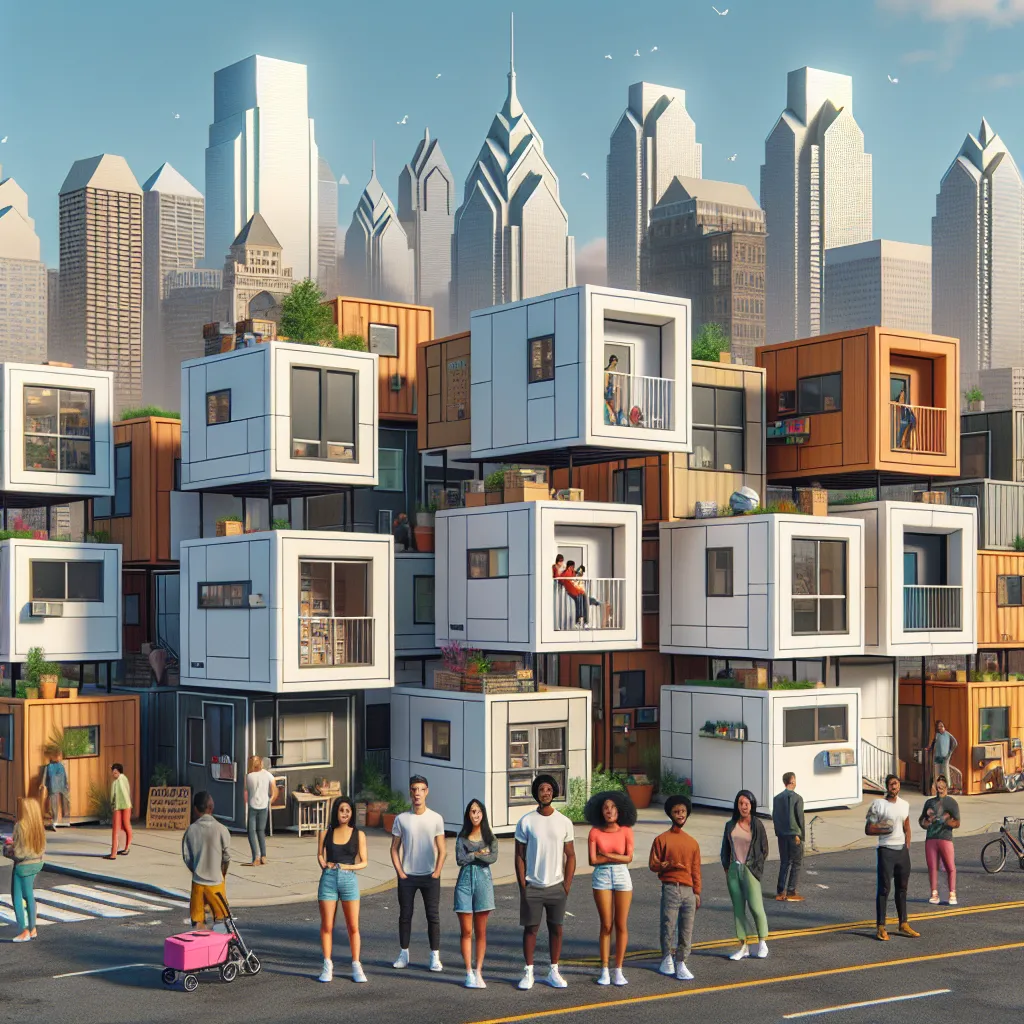
Homeownership is increasingly out of reach for Gen Z, yet cities are dotted with underused land. LotSpot turns vacant lots into modular, rent-to-own micro-home communities. These AI-designed units are stackable, energy-efficient, and community-managed, with residents earning equity over time. By streamlining permits and site logistics through AI, the homes pop up in months, not years. Rising home prices and remote work trends have pushed young buyers to consider alternative paths, but the market lacks scalable, urban-friendly options. LotSpot could activate hundreds of unused parcels — like a fenced-off lot in Philly — and deliver affordable housing to people ready to build wealth without waiting 10 years.
Description
No additional description provided.
The Pitch
In recent years, the goal of homeownership has become increasingly difficult for members of Gen Z to achieve, owing to soaring property prices and limited availability in urban areas. At the same time, cities across the country are littered with vacant lots that represent missed opportunities for development. In response to this challenge, there's a compelling opportunity to reimagine these spaces as vibrant communities of affordable housing through an initiative called LotSpot.
The core issue today is clear: Gen Z and other younger generations face an uphill battle in affording traditional homeownership. Many are burdened with student loans and stagnant wages that make it difficult to enter the housing market. On the supply side, cities have numerous underutilized or unused plots of land that could be repurposed for residential use, yet they remain barren due to bureaucratic and logistical hurdles.
LotSpot offers a creative and scalable solution. By converting vacant urban lots into modular, rent-to-own micro-home communities, it addresses both the shortage of affordable housing and the inefficiency of unused urban land. These micro-homes are designed using artificial intelligence to optimize space and energy efficiency. They are stackable, allowing for higher density living in urban settings, and they come with the benefit of being community-managed, empowering residents to collaborate in the upkeep and development of their neighborhood. An innovative feature is that residents can earn equity in these homes over time, transitioning gradually from tenants to homeowners.
The product details reveal a modern approach to housing: each unit is intelligently designed to maximize livability and sustainability. AI-driven design helps reduce costs and speeds up planning, while prefabrication allows for quick assembly on site. These homes are energy-efficient, utilizing solar panels and smart home technology to maintain low utility costs. Furthermore, the implementation of community-managed structures reinforces a sense of ownership and collective responsibility.
To facilitate the launch of this concept as a minimum viable product, several tools and strategies can be employed. AI-driven platforms can streamline the permitting process, making it possible to navigate the complex web of regulations efficiently. Site logistics are simplified, allowing these communities to be established within months instead of years. Prefabrication and modular construction techniques ensure scalable and quick deployment, making the dream of homeownership more accessible to those who need it most.
The go-to-market strategy should focus on partnering with city governments and leveraging public-private partnerships to secure land and favorable zoning classifications. Marketing efforts can target Gen Z and millennials through social media, demonstrating how LotSpot offers a practical path towards homeownership and financial stability. The narrative can highlight the dual benefits of activating unused urban spaces and providing affordable housing solutions.
LotSpot's business model revolves around a rent-to-own structure, where a portion of monthly payments contributes towards eventual ownership. Supplemental revenue can come from partnerships with sustainable energy companies and smart technology providers, as well as community-based workshops and events.
In conclusion, LotSpot does more than just offer a housing solution; it redefines urban living. By transforming neglected lots into thriving communities, it presents an innovative path to homeownership that resonates with the needs of younger generations, while also addressing larger urban development challenges. This scalable model could activate hundreds of unused parcels nationwide, ushering in a new era of inclusive growth and sustainability.