Longevity Gyms: Fitness Revolution for Aging Adults
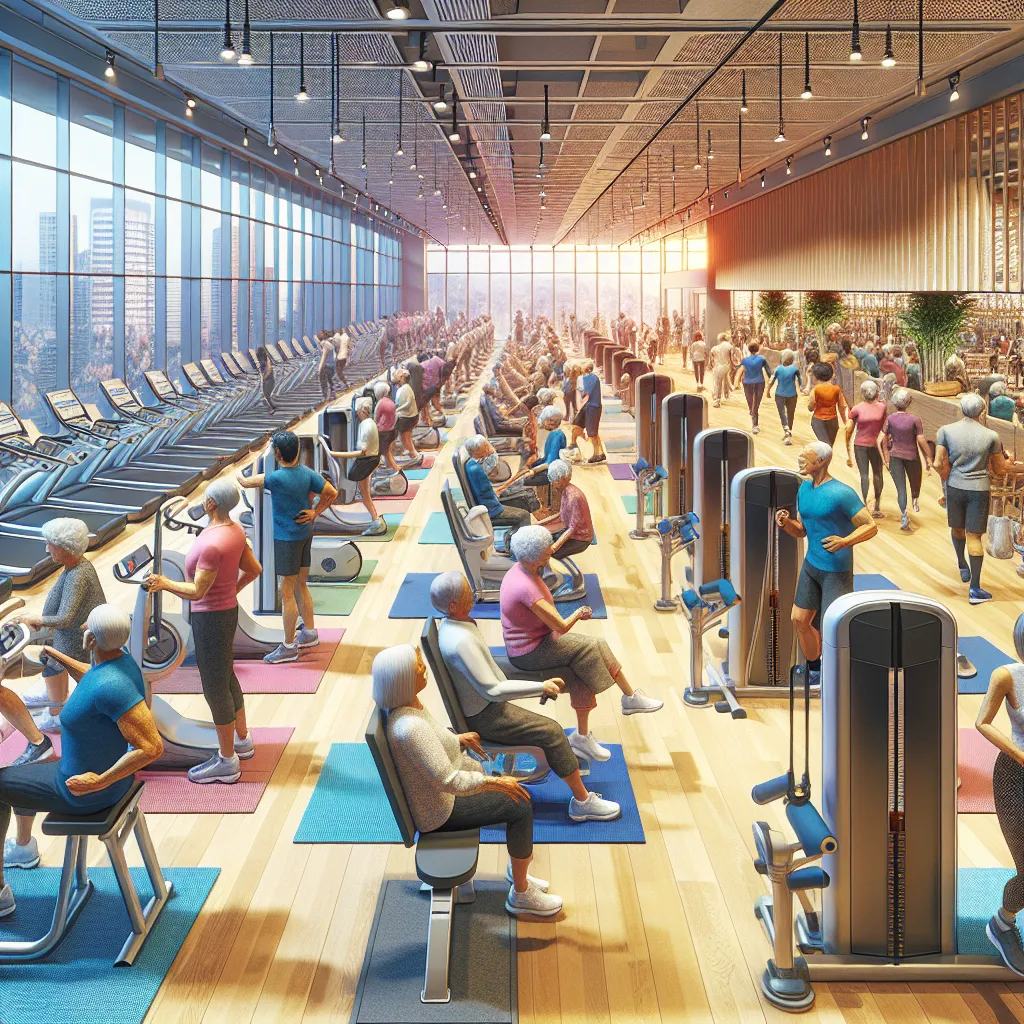
Most gyms are designed for aesthetics — not healthy aging. In Japan and Scandinavia, “longevity gyms” are booming: fitness centers designed for older adults focused on mobility, balance, bone health, and social connection. Companies like Curves Japan and SATS Scandinavia run programs where 60+ year olds train with low-impact machines and group classes tailored to prevent falls and extend independence. In Tokyo, these gyms are community hubs with waiting lists. In the U.S., fitness for older adults is still an afterthought, despite a massive aging population and Medicare incentives moving toward preventative care.
Description
No additional description provided.
The Pitch
In contemporary society, the traditional gym model often emphasizes aesthetics rather than functional health, leaving a critical gap for the aging population seeking fitness solutions tailored to their needs. Unlike their U.S. counterparts, countries like Japan and Scandinavia have pioneered the concept of longevity gyms, which focus on promoting healthy aging through specialized fitness programs for older adults. These gyms prioritize mobility, balance, bone health, and social connection, providing a holistic approach to wellness.
Backstory: With the global population steadily aging, there is a growing demand for fitness solutions that cater to the unique needs of older adults. In Japan and Scandinavia, companies such as Curves Japan and SATS Scandinavia have tapped into this market by developing programs for individuals over 60. These fitness centers offer low-impact machines and group classes specifically designed to prevent falls and extend independence. In Tokyo, longevity gyms have become community hubs, often with waiting lists, highlighting their popularity and the effectiveness of their approach.
Problem: The United States, despite its massive aging population and Medicare incentives moving toward preventative care, is lagging in adopting fitness models that serve older adults effectively. Most gyms in the U.S. still prioritize younger demographics, leaving older individuals with few options that address their specific health concerns. This gap presents a significant opportunity for entrepreneurs to revolutionize fitness for older adults by introducing longevity gyms tailored to their needs.
Solution: To address this unmet need, the concept of a longevity gym should be introduced to the U.S. market. The gym would provide a comprehensive suite of services focused on promoting healthy aging, including low-impact exercise machines, specialized group classes aimed at improving mobility and balance, and community-oriented events to foster social interaction. Additionally, the gym could offer workshops on nutrition and bone health, creating a well-rounded environment for older adults to thrive.
Product Details: - Low-impact exercise machines: Equipment designed to accommodate varying levels of mobility and reduce the risk of injury. - Group classes: Sessions focusing on balance, coordination, flexibility, and strength, led by trainers experienced in working with older adults. - Social activities: Events and gatherings that encourage community-building and reduce social isolation among members. - Health workshops: Educational sessions on topics like nutrition, bone health, and injury prevention.
Tools for MVP Launch: - Platform for booking classes and managing memberships. - Partnerships with local healthcare providers to offer fitness prescriptions. - Certified trainers with expertise in senior fitness. - Pilot programs in select locations to test and refine the offering.
Go-to-Market Strategy: - Collaborate with senior centers and community organizations to build awareness and drive initial membership. - Develop partnerships with healthcare providers to integrate the gym into preventative care initiatives. - Leverage social media and targeted advertising to reach the older population and their families. - Offer introductory classes and workshops as hooks to attract prospective members.
Business Model: - Membership-based revenue model with different tiers based on access to classes and additional services. - Income streams from workshops, personal training, and partnerships with healthcare providers. - Scalability through franchising opportunities or corporate partnerships.
Conclusion: Launching a longevity gym in the U.S. could revolutionize how older adults approach fitness and aging. By leveraging proven models from Japan and Scandinavia, this venture can deliver a much-needed solution to the gap in the current fitness market, promoting healthier, more active lives for older adults.