Localized Betting Shops for the U.S. Market
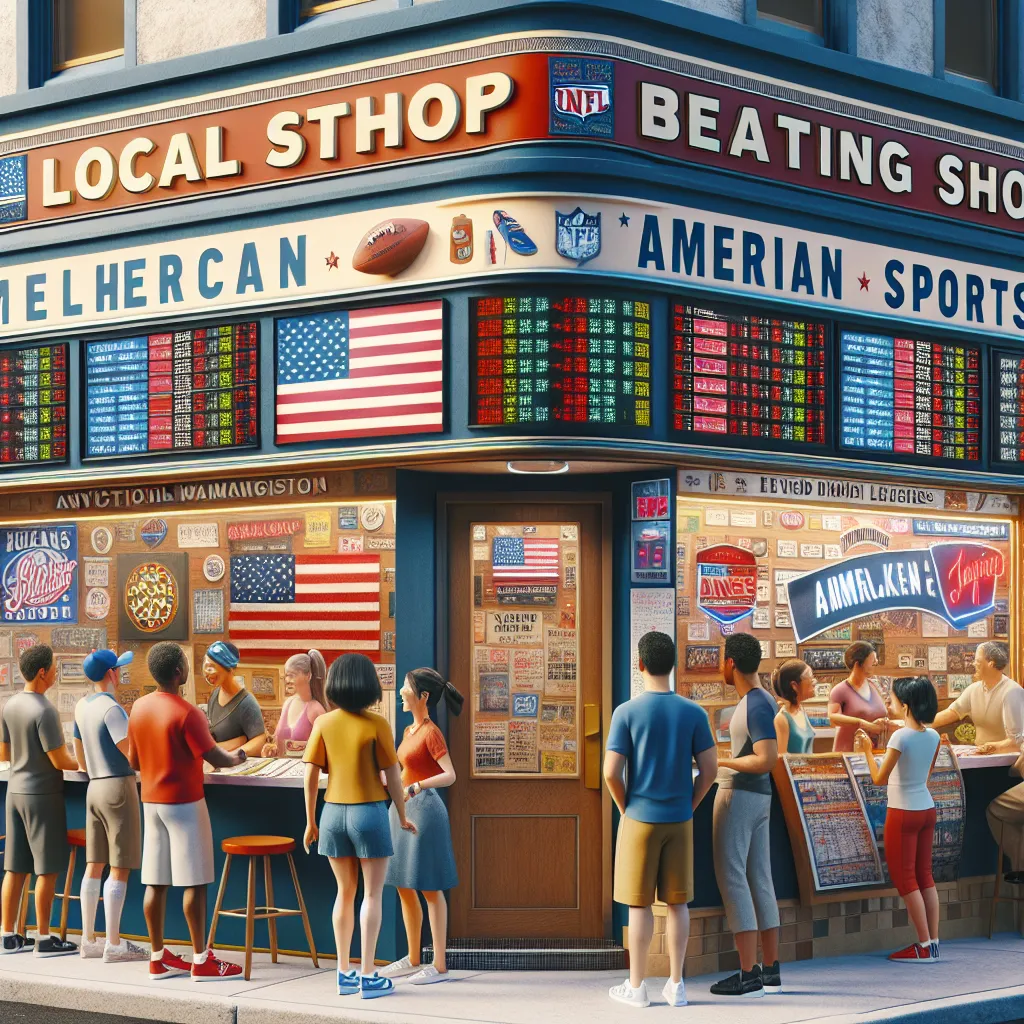
Description
Localized betting shops in the U.S. is a unique opportunity to fill a gap in the market, particularly in states where online betting is limited. By focusing on community, social interaction, and convenience, these shops could attract a loyal customer base and become a staple of local entertainment, blending the traditional appeal of European betting shops with modern technology and American sports culture.
The Pitch
Introduce a chain of small, community-focused betting shops in U.S. states where online betting is not yet fully widespread or legalized. These shops would provide a physical space where customers can place bets on sports and other events, in an environment that fosters community engagement and social interaction, similar to the betting shops prevalent in Europe. This approach caters to both the betting enthusiast who prefers a tangible, social experience and those in regions with limited access to online gambling.
Key Features:
Community-Centric Locations:
Strategic Placement: Position these shops in areas with high foot traffic, such as near sports bars, entertainment districts, or suburban areas lacking large casinos. The goal is to place them close to where people live and socialize, making it convenient for casual visits.
Local Identity: Each shop could adopt elements of local culture, with decor and events tailored to the community, creating a familiar and welcoming atmosphere.
Social Environment:
In-Shop Experience: Offer a cozy, pub-like setting with multiple screens broadcasting various sports events. Customers can place bets, socialize, and enjoy food and drinks, making the experience more engaging than online betting.
Events and Promotions: Host regular events such as trivia nights, live game viewing parties, or small-scale tournaments to draw in crowds and build a loyal customer base.
Technology Integration:
Betting Terminals: Equip shops with user-friendly betting terminals that allow customers to place bets quickly and easily. These terminals could also offer tutorials for newcomers to sports betting.
Mobile Integration: Develop a companion app that syncs with the betting terminals, allowing customers to manage their bets, view results, and receive personalized offers both in-store and online.
Regulatory Navigation:
Compliance and Licensing: Work closely with state regulators to ensure that the shops are fully compliant with local laws. This might include offering betting on specific events permitted by state law and adhering to strict age verification processes.
Partnership with Local Businesses: Collaborate with local businesses, such as bars and restaurants, to cross-promote services and share customer bases, boosting both the betting shop’s and the partner businesses' revenues.
Customer Engagement and Loyalty:
Loyalty Programs: Implement a rewards system where customers earn points for every bet placed, which can be redeemed for free bets, discounts on food and drinks, or special event invitations.
Personalized Services: Offer personalized betting advice and promotions based on individual betting habits, delivered through in-store interactions and the mobile app.
Expansion Potential:
Pilot in Key States: Start with a pilot program in states where online betting is either illegal or not fully embraced, such as certain regions in the Midwest or South. Once the concept proves successful, expand to other states with similar regulatory landscapes.
Franchise Model: Consider a franchise model where local entrepreneurs can open betting shops under the brand, ensuring rapid expansion while maintaining local connections.
Challenges and Solutions:
Regulatory Hurdles: Navigating the complex and varied regulatory environment in the U.S. could be challenging. This would require hiring legal experts with deep knowledge of state gambling laws and building strong relationships with state gaming commissions.
Public Perception: Betting shops could face opposition from communities concerned about gambling's social impacts. To address this, focus on responsible gambling initiatives, community engagement, and clear communication about the shops' benefits, such as local job creation and community events.
Competition with Online Betting: Although online betting is growing, these shops would cater to a market segment that values social interaction and the physical betting experience. Additionally, offering exclusive in-shop promotions and events could provide an edge over purely digital platforms.