Local Community Venture Fund
Description
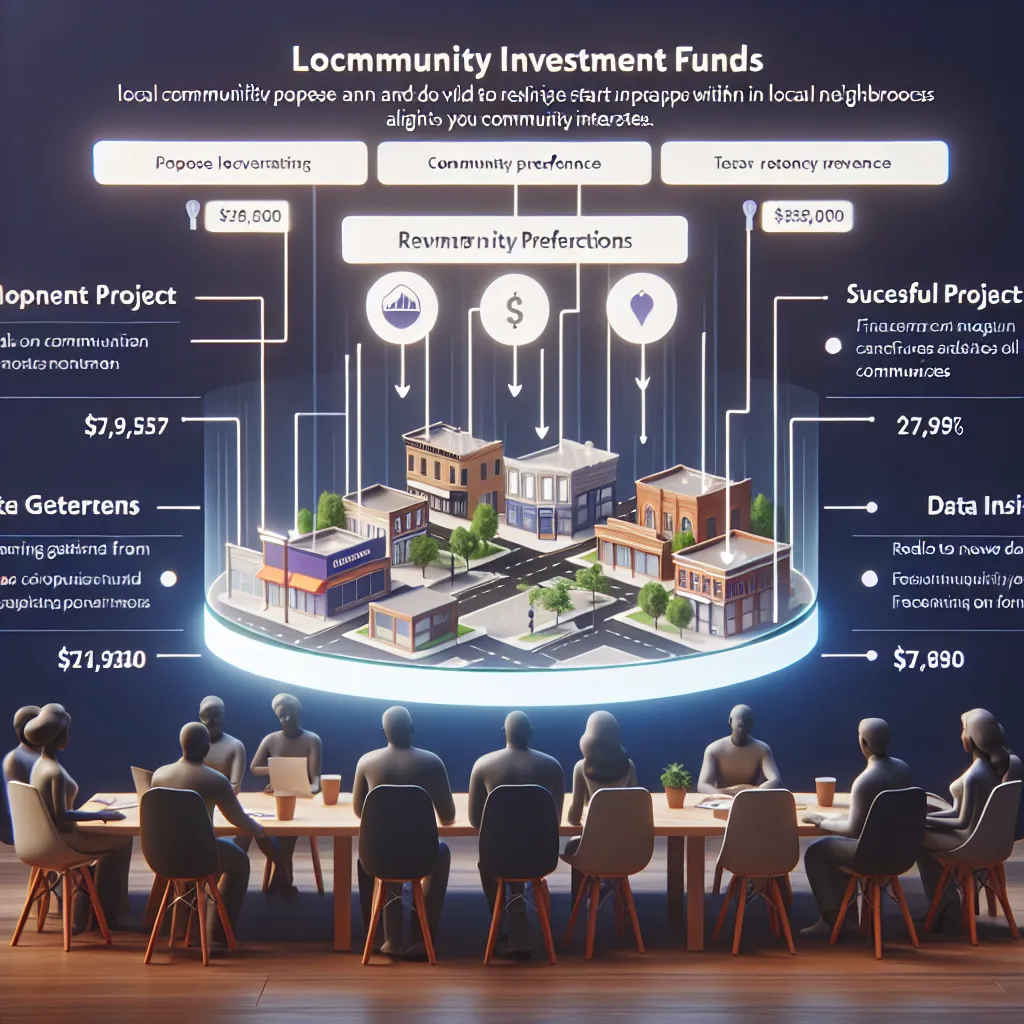
A platform that allows local community members to invest in startups and businesses within their neighborhoods while having a say in what gets built. This model empowers residents to propose and vote on new projects, ensuring local development aligns with community needs. The platform also gathers data on what residents want and sells this information to franchises and businesses looking to expand. Revenue comes from management fees on community investment funds, commissions on successful projects, and selling data insights. This approach blends local investment with community-driven development, fostering both economic growth and social impact.
The Pitch
A platform that would create local venture funds that allow community members to invest in startups and small businesses within their own neighborhoods. The platform would also enable community members to influence what gets built in their area by voting on and proposing new projects. Additionally, it would collect data on community preferences and sell insights to franchises and businesses looking to expand into these areas.
Key Features:
Community Investment Fund:
Residents of a community can pool their money into a fund specifically for investing in local startups and small businesses. The platform allows for micro-investments, enabling people of all income levels to participate, fostering a strong sense of ownership and involvement in their local economy. Investment opportunities range from local restaurants and retail stores to tech startups and service providers. Investors can diversify across multiple ventures within their community. Crowdsourced Development:
The platform gives community members a voice in what gets built in their neighborhood. Members can propose business ideas or vote on existing proposals. For example, if a community needs a coffee shop, the platform could facilitate local investment in a new café. The platform also offers a structured way for residents to communicate specific needs, like childcare centers, gyms, or co-working spaces, ensuring that businesses align with the desires of the community. Data Collection and Analysis:
Collect data on what types of businesses and services the community members want, which projects get the most support, and what local issues are most important to residents. Sell these insights to franchises, developers, and corporations looking to expand into new markets. For example, if data shows a strong desire for fitness centers in a particular neighborhood, gyms or fitness franchises could be targeted for expansion there. Provide valuable analytics to startups and small businesses to help them understand the market before they launch. Local Impact Reports:
Investors receive regular updates on the performance of their investments, including financial returns, social impact, and community feedback. Highlight success stories and show how local investments are positively impacting the community, from job creation to improved services. Community Advisory Boards:
Create advisory boards composed of community members and local leaders who help guide the fund’s investment decisions. This board can also work with local governments to ensure that projects align with broader community development goals and regulations. Education and Support:
Offer workshops and resources to help local entrepreneurs prepare for pitching their ideas to the community fund. Provide educational resources to investors, teaching them how to assess opportunities and understand the risks and rewards of local investing. Business Model:
Management Fees: Charge a management fee on the funds raised, similar to traditional investment models. For example, a 2% management fee could be applied to manage and distribute the investments.
Data Sales: Generate revenue by selling community data and insights to franchises, developers, and businesses looking to enter new markets. The platform could offer subscription-based access to these analytics or charge per report.
Commission on Investments: Take a small commission on successful funding rounds for local businesses. This incentivizes the platform to support viable projects and grow the local economy.
Sponsored Projects: Partner with local governments or larger corporations that want to sponsor community-driven projects, providing additional funding or resources in exchange for branding and involvement.
Target Audience:
Local Residents: Individuals who want to invest in their community, have a say in local development, and support businesses that meet their neighborhood’s needs.
Entrepreneurs and Small Businesses: Local startups and small business owners looking for funding and community backing to launch or expand their operations.
Franchises and Corporations: Companies interested in expanding into new markets with data-driven insights on what the community desires, reducing the risk of entering unfamiliar territories.
Local Governments: Municipalities interested in promoting economic development, creating jobs, and ensuring that new businesses align with community needs.
Differentiation:
Community Empowerment: Unlike traditional investment models, this platform empowers residents to directly influence the development of their neighborhood, ensuring that projects meet real local needs.
Data-Driven Local Insights: While many platforms focus on investment alone, this model stands out by gathering and selling hyper-local data, giving businesses a unique competitive advantage when entering new markets.
Broad Accessibility: By allowing micro-investments, the platform democratizes venture capital, making it accessible to a wider audience and enabling communities to take ownership of their economic development.
Holistic Local Development: The platform combines financial returns with social impact, ensuring that investments not only succeed financially but also contribute positively to the community.
Challenges:
Regulatory Hurdles: Navigating securities regulations for community investments can be complex and may require special exemptions or legal structures.
Community Engagement: Sustaining high levels of community involvement will be essential for the platform’s success. This may require ongoing marketing, education, and outreach.
Balancing Financial Returns with Social Goals: Ensuring that projects are both profitable and beneficial to the community may require careful selection and vetting of investment opportunities.