LoadLens: AI-Powered Trailer Packing Optimization
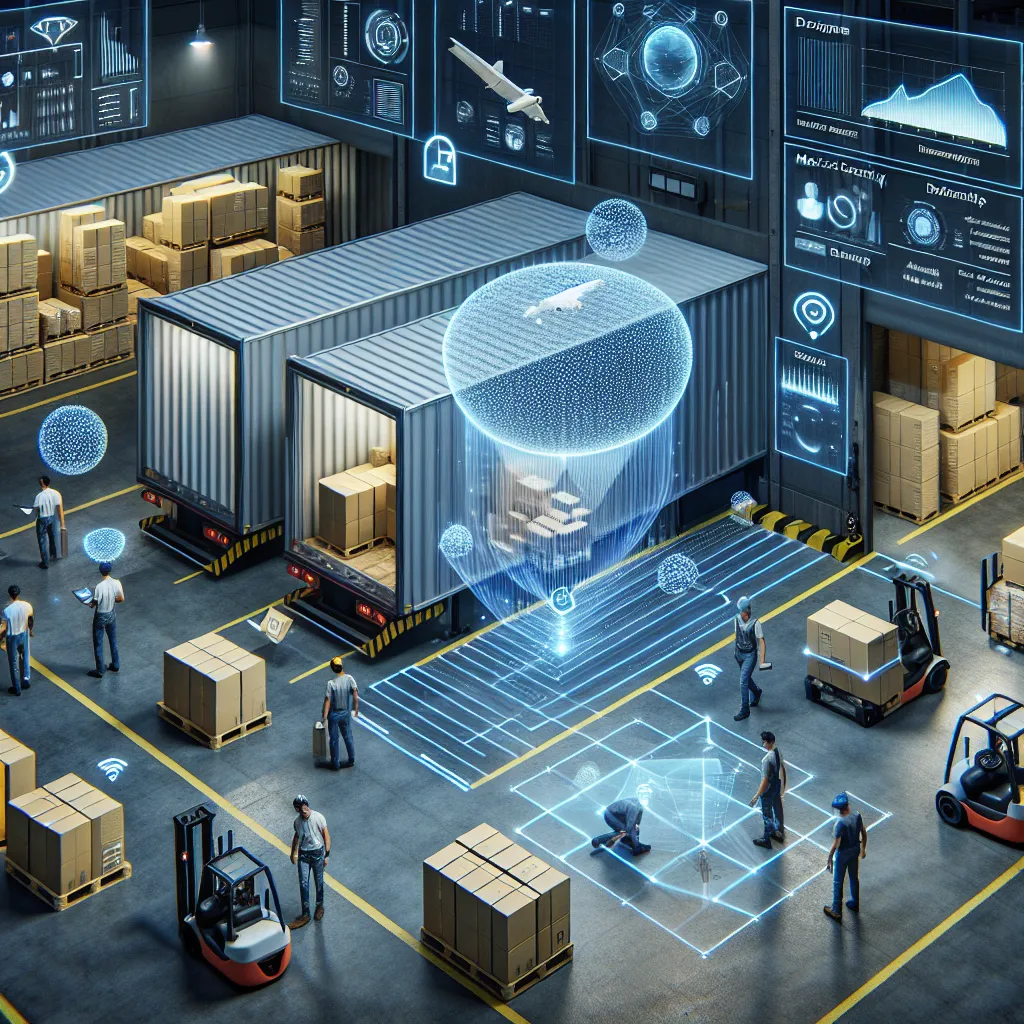
One hidden cost driver in logistics—rarely measured or managed—is poor trailer packing. Misaligned pallets, improper weight distribution, and inefficient stacking cause fuel inefficiency, damage, and delays. LoadLens uses edge devices (thermal cameras, LIDAR, and 3D sensors) mounted near loading docks to scan in-progress trailers, analyze configuration in real time, and flag problems like uneven weight or wasted space. Its AI assistant then suggests real-time fixes, guiding workers to adjust placement or pallet layout. Until now, such intelligence has only existed in warehouse management software, disconnected from the physical loading process. But with cheaper sensors and AI vision, real-time configuration feedback is now viable for the first time. This helps reduce labor waste, maximize capacity, and lower costs. For example, a warehouse packing FedEx trailers overnight could use LoadLens to detect that a pallet stack is off-center—suggesting a rearrangement that improves load balance and cuts fuel costs by 5%.
Description
No additional description provided.
The Pitch
In the logistics sector, one often-overlooked aspect contributing significantly to operational inefficiencies and increased expenses is poor trailer packing. Incorrectly aligned pallets, improper weight distribution, and inefficient stacking methods not only lead to higher fuel consumption and increased vehicle wear but can also cause product damage and delays in delivery. Despite its impact, this area has been largely ignored in terms of direct measurement and management.
The Solution – LoadLens: LoadLens emerges as a groundbreaking solution to address these inefficiencies by leveraging cutting-edge technology. Positioned near loading docks, LoadLens utilizes edge devices such as thermal cameras, LIDAR, and 3D sensors to monitor the loading process. By analyzing the configuration in real time, it identifies problems like uneven weight distribution and wasted space. LoadLens doesn't stop at identification; its AI assistant actively suggests real-time fixes, directing workers on how to adjust placements or modify pallet layouts for optimal efficiency.
The Product Advantage: Prior to LoadLens, intelligence of this kind was confined to warehouse management software, distant from the actual loading operations. However, with advances in affordable sensors and AI vision technology, it's now possible to provide real-time feedback during the loading process. This advancement allows businesses to streamline operations, reduce labor inefficiencies, maximize load capacity, and significantly cut costs. For instance, a warehouse loading FedEx trailers could use LoadLens to detect an off-center pallet stack, prompting a rearrangement that could enhance load balance and lower fuel costs by approximately five percent.
Product Details: - Technology: Integrates thermal cameras, LIDAR, and 3D sensors for a comprehensive analysis of trailer loading. - AI Assistance: Provides actionable recommendations to enhance loading efficiency. - Real-Time Feedback: Ensures immediate corrective measures can be taken during the loading process.
Tools for MVP Development: - Hardware: You will need affordable LIDAR sensors, thermal cameras, and 3D depth sensors, available through suppliers like Raspberry Pi or Arduino-compatible vendors. - Software: AI and machine learning frameworks such as TensorFlow or PyTorch for developing the intelligent analysis system. - Cloud Services: Use AWS or Google Cloud for scalable data storage and processing capabilities. - Prototyping: Platforms like Figma or Sketch for designing the user interface of the AI assistant.
Go-To-Market Strategy: 1. Target Audience: Focus initially on large warehouses and logistics companies experiencing inefficiencies due to poor trailer loading practices. 2. Pilot Program: Launch a pilot program with key industry players to gather valuable feedback and showcase effectiveness. 3. Partnerships: Collaborate with hardware suppliers and logistics consultants to expand reach and credibility. 4. Marketing: Leverage content marketing, case studies, and industry conferences to promote the benefits of LoadLens.
Business Model: To monetize LoadLens, consider these approaches: - Subscription Model: Offer a tiered subscription-based service providing varying levels of sensor integration and AI assistance features. - One-Time Purchase: Sell the hardware as a one-time purchase with optional maintenance and support packages. - Data Services: Provide advanced analytics and insights as an additional service for premium subscribers.
By employing innovative technology and targeted strategies, LoadLens aims to revolutionize trailer packing efficiency, offering substantial savings and operational enhancements for logistics operations.