Living Walls: Clean Air and Food Solutions
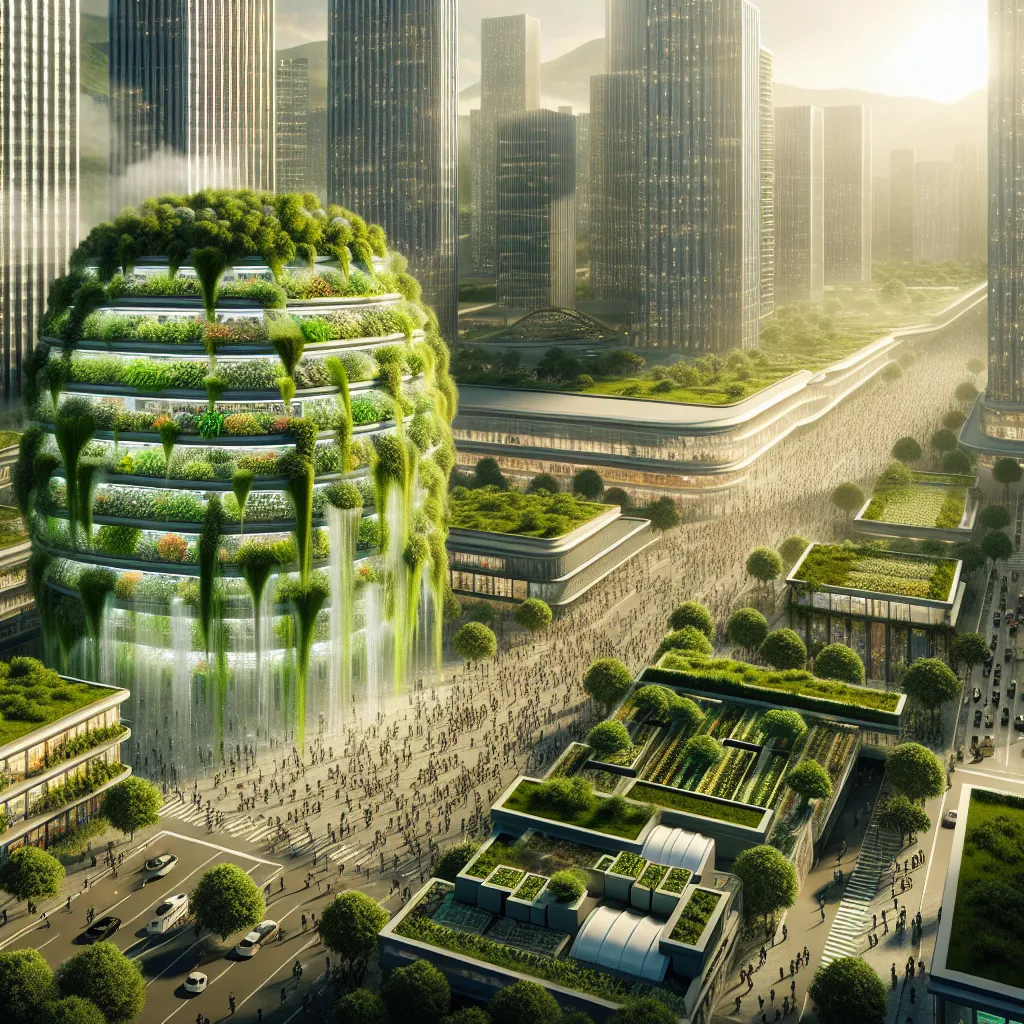
Cities struggle with pollution and food shortages, especially in crowded areas. A startup could build indoor panels filled with algae enhanced with MIT’s faster Rubisco. These “living walls” would clean the air by absorbing CO₂, release oxygen, and also grow food or protein-rich biomass for local use. It’s like having an air purifier, food source, and garden in one. Now that Rubisco can work better, these systems become more effective. A school in New York could install a vertical reactor to teach biology and produce clean air and snacks.
Description
No additional description provided.
The Pitch
Urban environments often face significant challenges related to pollution and food shortages, particularly in densely populated areas. These issues not only impact the quality of life but also present obstacles to sustainable urban development. Rising levels of CO₂ contribute to poor air quality, while limited space restricts the local production of fresh food, exacerbating the dependence on external food sources.
A promising solution to these urban challenges involves the integration of advanced biotechnology into city ecosystems. The focus here is on developing innovative indoor panels populated with algae, specifically engineered with a more efficient version of the enzyme Rubisco, as developed by MIT. These living walls serve multiple purposes: they help reduce carbon dioxide levels by absorbing CO₂, release oxygen to improve air quality, and simultaneously produce nutrient-rich biomass, which can be harvested for food or other uses. Essentially, these panels act as combined air purifiers, food sources, and urban gardens.
With recent advancements making Rubisco more efficient, these algae systems have seen a significant boost in their effectiveness and viability. Opportunities for implementation are abundant. Consider a school in New York, which could install a vertical algae reactor. This system would not only support educational initiatives by involving students in biology and environmental science experiments, but also actively contribute to improving air quality and providing fresh, healthy snacks.
To encourage broader adoption and facilitate the development process, this concept could be brought to market as a Minimum Viable Product using accessible tools and resources. A business could start small, focusing on prototyping and demonstrating the technology’s tangible benefits in a few select urban locations. Potential steps to develop and launch this product are:
1. Research and Development: - Collaborate with universities and biotech firms with experience in genetic modification and environmental engineering. - Develop a prototype panel that integrates enhanced Rubisco algae. - Conduct pilot studies to gather data on CO₂ absorption rates, oxygen release, and biomass yield.
2. Product Design and Manufacturing: - Design modular panels that can be easily scaled and customized for different spaces. - Partner with manufacturers to create durable and efficient systems.
3. Tools for Easy Launch: - Utilize design software like AutoCAD or SolidWorks for panel development. - Leverage cloud-based IoT solutions for monitoring and optimizing panel performance in real time.
4. Go-To-Market Strategy: - Target initial installations in schools, community centers, and office buildings. - Develop case studies and success stories based on pilot installations to build credibility. - Engage in partnerships with city governments for urban greening initiatives.
5. Business Model: - Implement a sales model focused on product sales and maintenance services. - Explore leasing options for clients who require flexible payment terms. - Offer subscription-based services for regular panel maintenance and biomass harvesting.
By addressing both pollution and food production within urban environments, these algae-enhanced panels present a sustainable business opportunity with significant social impact. This solution not only meets immediate needs but also aligns with long-term goals of creating healthier, more self-sufficient urban populations.