Living, Self-Healing, Compostable Furniture Innovation
Sustainable furniture today is either durable but not compostable or compostable but fragile. The problem is furniture waste fills landfills, and most eco-options sacrifice longevity. Imagine furniture made from mycelium composites that remain alive, capable of slowly self-healing small cracks and dents over time. Once discarded, the material fully composts in months, returning to the soil. Bonus: the structure could embed air-purifying microbes for indoor wellness. Why now? Mycelium materials have matured, and the green building/furniture markets are booming. Example: A furniture brand launches chairs that heal minor scratches naturally and compost completely after use — no petrochemical foams or plastics. No living, self-healing, compostable furniture exists yet — a first-mover sustainability innovation.
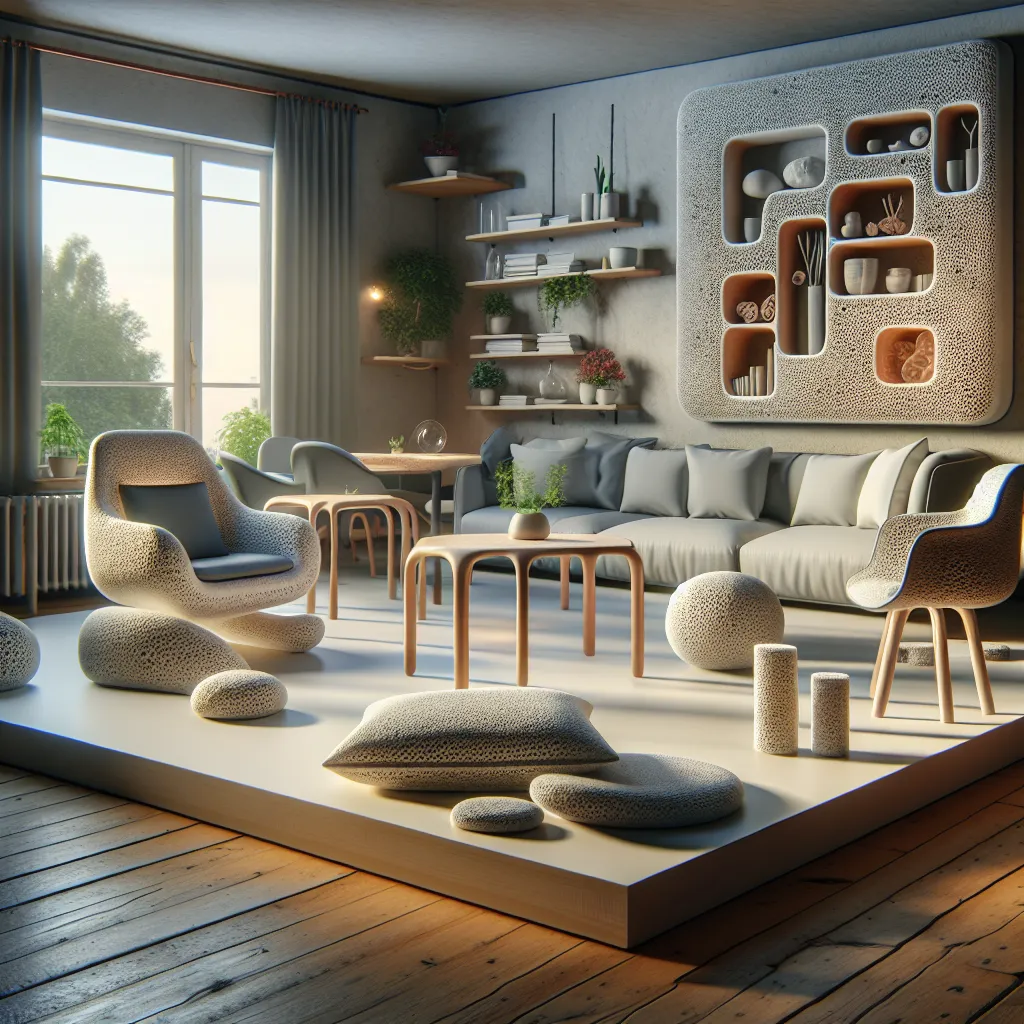
Description
No additional description provided.
The Pitch
The furniture industry is currently at a crossroads, facing increasing environmental pressures due to the vast amounts of waste it generates. Traditional furniture often ends up in landfills, taking years or even decades to decompose. On the other hand, eco-friendly alternatives tend to sacrifice durability, leading to short lifespans and repeated purchases. This dichotomy poses a significant challenge for consumers who want to make sustainable choices without compromising on quality or longevity.
#### Innovative Solution
The introduction of mycelium-based composite materials can transform the sustainable furniture landscape. Mycelium, the root structure of fungi, offers a unique opportunity to create living materials that possess self-healing properties. These materials can naturally repair minor damages such as cracks and dents, extending the longevity of the furniture. Moreover, once the furniture reaches the end of its life, it can be fully composted within months, seamlessly returning to the earth without leaving a negative environmental impact. This innovative solution also allows for the incorporation of air-purifying microbes, enhancing indoor air quality and promoting overall wellness.
#### Product Details
Imagine introducing a line of chairs crafted from mycelium composites. These chairs would not only possess the aesthetic appeal and functionality expected by consumers but also embody revolutionary features:
- **Self-Healing**: The ability to naturally repair small scratches and dents, prolonging the furniture's usability. - **Compostability**: Designed to break down within months after disposal, leaving no trace and contributing to soil health. - **Eco-Friendly Composition**: Completely free from petrochemical-based foams and plastics, ensuring a reduced carbon footprint. - **Indoor Wellness**: Built-in air-purifying microbes aid in maintaining a healthier indoor environment.
#### Tools for MVP Development
To successfully bring this innovative solution to life, several tools and resources can help fast-track the development of a minimum viable product:
- **Material Sourcing and Testing**: Partner with firms specializing in mycelium cultivation and composite development to access raw materials and prototype fabrication. - **Design Software**: Utilize CAD software for precise modeling and design, ensuring the furniture meets aesthetic and functional demands. - **Rapid Prototyping**: Use 3D printing technologies to create initial prototypes, allowing for quick iterations based on feedback.
#### Go-To-Market Strategy
A well-thought-out strategy is essential for effectively introducing this groundbreaking product to the market:
1. **Target Audience Identification**: Focus on environmentally conscious consumers and wellness enthusiasts who prioritize sustainability and innovation.
2. **Awareness Campaigns**: Leverage digital marketing, social media, and eco-focused influencers to generate buzz and educate potential customers about the benefits of mycelium furniture.
3. **Retail Partnerships**: Collaborate with eco-friendly retailers and online platforms to distribute the product while ensuring wide visibility.
4. **Launch Events**: Organize events showcasing the furniture's unique features and benefits, where prospective buyers can interact with the product and experience its advantages firsthand.
#### Business Model
To ensure the long-term viability of the business, consider adopting a hybrid business model:
- **Direct Sales**: Sell directly to consumers through an e-commerce platform, focusing on the unique aspects of the product that align with modern sustainability trends. - **Subscription Model**: Offer a subscription service for regular updates and product renewals, especially appealing to businesses looking for sustainable office solutions. - **B2B Partnerships**: Establish partnerships with architects and interior designers to incorporate the furniture into large-scale projects, highlighting its eco-credentials and innovative features.
By addressing a pressing environmental issue with a novel solution, this sustainable furniture venture not only aligns with current market dynamics but also sets a precedent for future innovations in green building and design.