LifeLab: Digital Sandbox for Aspiring Bio-Innovators
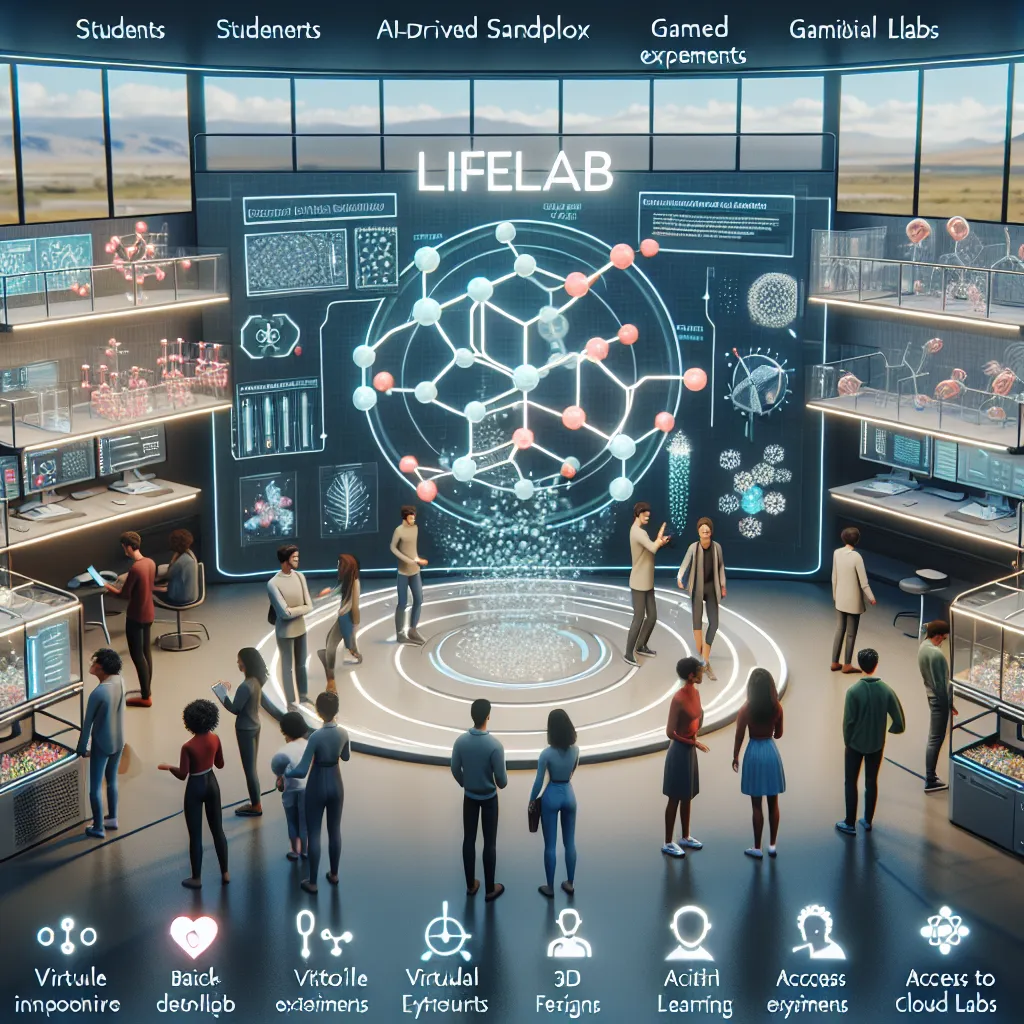
The next generation of inventors won’t find their first spark in a garage — they’ll find it in a digital petri dish. LifeLab would be a browser-based synthetic biology sandbox where anyone can design and simulate living systems without touching a pipette. Students could test genetic circuits, founders could prototype bio-startups, and enthusiasts could explore how to “code” life safely. Built with AI-driven simulations, gamified experiments, and access to cloud labs for real-world builds, LifeLab turns biology from an elite discipline into a creative medium. The rise of cloud labs, AI tutors, and cheap synthesis means biology is about to go from ivory tower to playground — and whoever builds the on-ramp will own the next generation of biotech creators.
Description
No additional description provided.
The Pitch
Welcome to a new era of creativity in biology. Imagine a platform where the complexities of synthetic biology are transformed into accessible learning and experimentation tools. LifeLab is envisioned as a pioneering browser-based synthetic biology sandbox designed to democratize the field. This endeavor seeks to ignite curiosity and innovation by allowing users to design and simulate living systems digitally, opening doors to students, entrepreneurs, and hobbyists alike.
**Backstory**
The concept of LifeLab stems from the evolving landscape of biotechnology. Traditionally, understanding and manipulating biological systems have been confined to specialized labs and require years of training. However, recent advances such as cloud laboratories, AI-driven learning platforms, and affordable synthesis technologies have begun to lower these barriers. LifeLab is conceptualized in response to this shift, aiming to empower a broader audience to engage with biology as a creative endeavor.
**Problem**
Biotechnology is often perceived as an elite field, limited to a few with access to extensive resources. This exclusivity hinders innovation by restricting participation to those within established academic or corporate environments. Many promising ideas and potential future innovators are lost due to the high cost and complexity associated with biological experimentation.
**Solution**
LifeLab proposes to bridge this gap by providing a virtual environment where users can simulate biological processes, design genetic circuits, and test the viability of their creations without needing physical lab infrastructure. By leveraging AI for modeling and simulations, the platform can offer precise and accelerated learning experiences. Additionally, LifeLab plans to integrate with cloud lab services for users wanting to transform their digital experiments into tangible biological constructs.
**Product Details**
LifeLab is envisioned to include the following features: - **AI-Driven Simulations**: Advanced algorithms that replicate biological processes, enabling users to virtually test and refine their designs. - **Gamified Learning**: A structured, interactive curriculum that guides users through the basics of synthetic biology while providing challenges and achievements to motivate progress. - **Cloud Lab Integration**: Connectivity to remote laboratories that can physically produce user-designed organisms, bringing virtual experiments to life. - **Community Platform**: A space for users to collaborate, share their projects, and gain feedback from peers and experts in the field.
**Tools for Launching MVP**
To bring LifeLab to life as a Minimum Viable Product (MVP), we recommend utilizing a combination of existing technologies and tools: - **Web Development Frameworks**: Utilize React or Angular for frontend development and Node.js for backend processes to build a robust and responsive browser-based platform. - **AI and Machine Learning**: Implement machine learning models with TensorFlow or PyTorch to drive the simulation engines. - **Cloud Services**: Use AWS or Google Cloud for hosting and managing scalable computing resources, particularly for handling simulation data. - **Partnerships with Cloud Labs**: Collaborate with companies like DNA Script and Ginkgo Bioworks for seamless integration with physical lab services.
**Go-To-Market Strategy**
The initial GTM strategy would focus on three core customer segments: educational institutions, independent biohobbyists, and biotech startups. Key steps include: - **Educational Outreach**: Partner with high schools and universities to introduce LifeLab as part of their curriculum, offering workshops and seminars to demonstrate its capabilities. - **Community Building**: Host online challenges and hackathons to build an engaging community of users and foster innovation within the platform. - **Content Marketing**: Develop educational content such as blogs, webinars, and tutorials to attract a wide audience and establish authority in synthetic biology.
**Business Model**
LifeLab intends to utilize a freemium business model: - **Basic Access**: Free access to core functionalities, enabling users to explore and learn without financial barriers. - **Subscription Plans**: Tiered subscriptions offering advanced features, additional cloud lab access, and personalized support for schools, startups, and power users. - **Partnership Programs**: Collaborations with educational institutions and biotech firms for tailored solutions and bulk-plan offerings.
By transforming biology into an accessible and creatively engaging field, LifeLab aims to become a catalyst for the next wave of biotech innovation. This platform not only unlocks new opportunities for learners and innovators but also redefines how we interact with the living world, setting the stage for a future where biology is as much an art as it is a science.