Leisure Airline Transforms Travel into Vacation Bliss
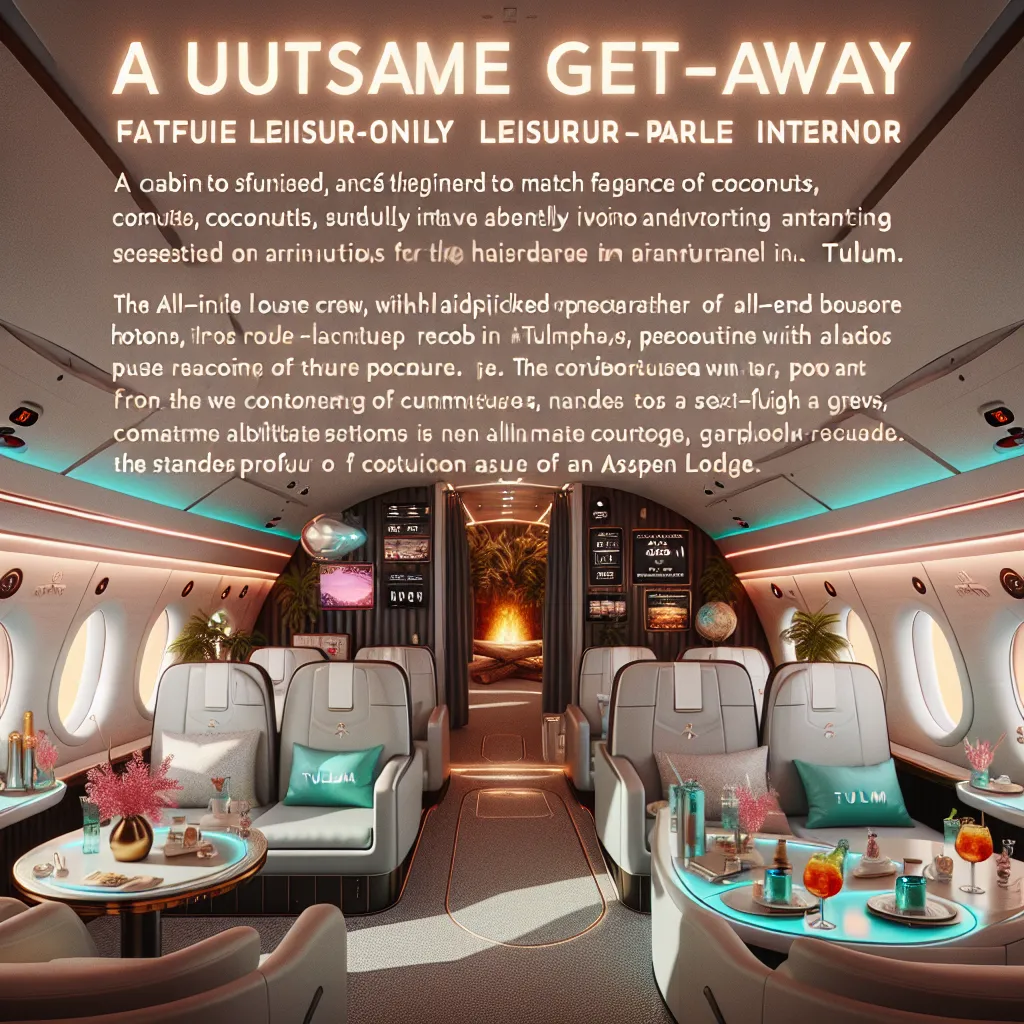
The flight to vacation often kills the vibe before anyone arrives: cramped seats, mediocre food, hours in TSA lines, and crews trained on safety scripts instead of hospitality. A leisure-only airline could redesign every touchpoint so the trip feels like the vacation already started, with included lounge access, themed cabins matched to destinations (the Tulum cabin smells like coconut, the Aspen cabin plays fireplace audio), pre-arrival cocktail and sunscreen kits, and crews recruited from boutique hotels rather than legacy carriers. Premium leisure travel grew at double-digit rates through 2025 while traditional airline customer satisfaction kept falling, leaving a clean opening for someone to own the leisure category outright. The first version could launch as charter routes connecting major US cities to top resort destinations like Cabo, Aruba, and Tulum, partnering with all-inclusive chains that already pay millions to bus guests from generic terminal gates.
Description
No additional description provided.
The Pitch
Imagine transforming the often-dreaded flight experience into the beginning of your vacation. For many travelers, the journey to their holiday destination is marred by cramped seating, uninspired meals, lengthy TSA lines, and flight crews more focused on security protocols than hospitality. This vision proposes an airline specifically designed for leisure travelers, where every element of the journey enhances the holiday experience.
The Problem: The traditional airline industry is struggling to meet the needs of leisure travelers. Customer satisfaction is declining as airlines prioritize efficiency and cost-cutting over passenger comfort and enjoyment. The journey has become a necessary evil that dampens the excitement of travel. Meanwhile, the market for premium leisure travel has been experiencing steady growth, highlighting a disconnect between what traditional airlines offer and what leisure travelers desire.
The Solution: A leisure-only airline that reimagines every aspect of air travel, creating an experience that feels like the vacation started the moment passengers step aboard. This concept addresses the pain points by prioritizing comfort, ambiance, and service designed around relaxation and enjoyment.
Product Details: The proposed airline would offer features such as:
1. Included lounge access for a seamless start to the journey. 2. Themed cabins that reflect the spirit of the destination. For instance, a cabin bound for Tulum might feature a coconut scent and tropical-themed decor, while a flight to Aspen could simulate a cozy lodge atmosphere with fireplace audio. 3. Pre-arrival kits with cocktails and sunscreen tailored to the destination. 4. Crews recruited from boutique hotels instead of traditional carriers, emphasizing hospitality and personalized service.
Initial Launch: The airline could initially operate as a charter service, providing direct routes from major US cities to popular resort destinations such as Cabo San Lucas, Aruba, and Tulum. By partnering with well-known all-inclusive resorts, the airline can enhance the end-to-end travel experience and eliminate the typical challenges faced by resort-goers, such as inconvenient shuttle services from standard airport terminals.
Tools for Easy Launch of MVP: To efficiently launch a minimum viable product (MVP), the following tools and strategies could be utilized:
1. Partnering with a charter airline company to manage operational logistics, leaving the new airline to focus on customer experience. 2. Utilizing customer experience platforms like Medallia or Qualtrics to gather feedback and iterate on offerings quickly. 3. Employing user-friendly reservation systems such as Amadeus or Sabre for efficient booking management.
Go-to-Market (GTM) Strategy: The marketing strategy would leverage digital channels to reach the target audience of affluent leisure travelers. Tactics might include:
1. Collaborating with travel influencers and lifestyle bloggers to generate buzz and showcase the unique travel experience via social media. 2. Running targeted online campaigns in premium travel and lifestyle magazines. 3. Building partnerships with luxury travel agencies to offer exclusive booking packages.
Business Model: The business model would revolve around premium pricing, with a focus on delivering exceptional value for leisure travelers seeking a memorable journey. Revenue streams could include ticket sales, in-flight retail experiences, and partnerships with resorts and travel brands.
By reshaping the air travel landscape, this concept could effectively capture the imagination and loyalty of those wanting more than just a flight but a seamless extension of their vacation experience.