Launching a Legal Firm Specializing in AI Copyright Infringement Litigation
Description
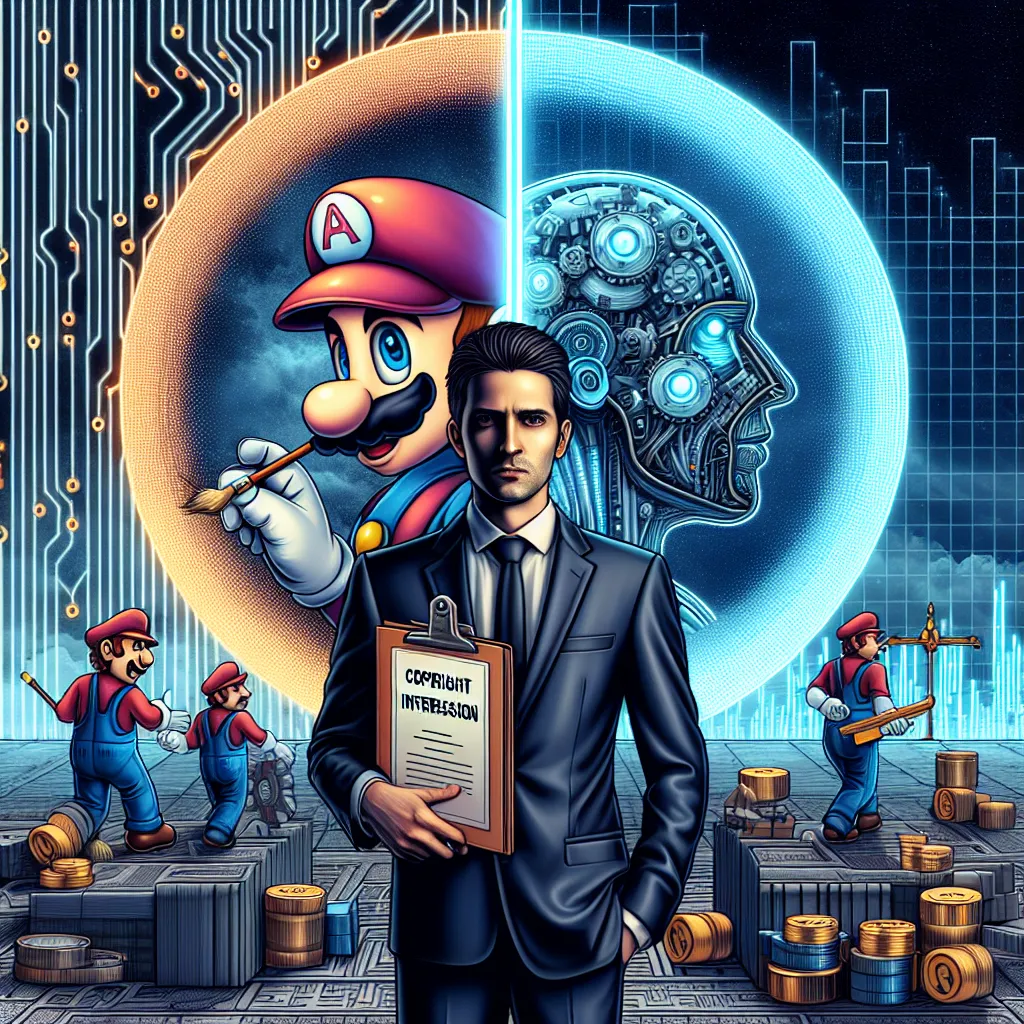
Start a business that specifically targets lawsuits against AI companies focused on copyright infringement. AI companies are operating in a legal gray area (e.g., if you ask GPT to create art with two plumbers who are brothers, it will output Mario and Luigi, even if it doesn’t have permission). A similar model to law firms suing e-commerce companies for ADA noncompliance. Many companies will prefer to settle claims outside of court, making this a revenue driver.
The Pitch
In an era prioritizing digital creation and artificial intelligence (AI), copyright violations by AI systems present a significant, expanding issue. AI, by its design, can unknowingly replicate copyrighted materials without explicit permissions. For example, prompting a creative AI tool with generic terms can lead to the creation of distinctive, recognizable content resembling copyrighted characters like Mario and Luigi. This situation spotlights a robust legal gray area, given that existing copyright laws did not anticipate the novel challenges introduced by AI technologies.
Solution Overview: Our firm offers legal services dedicated to pursuing lawsuits against AI companies that inadvertently create and propagate copyright-infringing materials. Through vigilant monitoring, strategic litigation, and advocacy, we protect the intellectual property rights of creators, ensuring that they receive fair compensation for the use of their copyrighted works—characters, images, writings, and more—replicated without authorization by AI technologies.
Target Audience: Our primary clients are individual creators, small studios, and large entertainment corporations with vested interests in the integrity and exclusive use of their intellectual creations. Additionally, our services appeal to authors, artists, publishers, and media companies who seek to safeguard their copyrights in the continually evolving digital landscape.
Value Proposition: We provide a nuanced understanding of both cutting-edge technology and copyright law, equipping us to effectively address and resolve conflicts that others might overlook. Our approach not only includes litigation but also preventative counseling to help clients protect their work proactively. For AI companies, we offer risk assessment and compliance advice to preempt potential legal challenges.
Market Analysis: The expanding use of AI in industries such as entertainment, publishing, and digital content creation shows exponential growth in potential copyright conflicts. Similar to the rapid rise in ADA noncompliance lawsuits faced by e-commerce over a decade ago, the legal challenges posed by AI technologies represent a burgeoning field. With more businesses employing AI for various creative processes, the demand for specialized legal services in copyright protection against AI-generated content is imminent and under-served.
Implementation Plan: 1. Research and Development: Constantly study AI technologies and related legal rulings to stay at the frontier of copyright law as it pertains to AI. 2. Outreach and Education: Engage with potential clients through seminars, webinars, and guides on protecting their creations against AI infringements. 3. Client Acquisition: Leverage targeted marketing strategies and networking within creative and technological communities. 4. Service Expansion: Scale our services to include preventive consulting for both copyright holders and AI companies to foster compliance and minimize litigation.
Monetization Strategy: Our revenue model includes: - Retainer fees for ongoing consultation and preventive strategies. - Contingency fees for litigation cases, wherein we receive a percentage of the settlements or damages awarded. - Fixed fees for specific services such as risk assessments and compliance audits for AI companies.
Impact Assessment: Our business directly contributes to: - Legal Clarity: Setting precedents and possibly influencing legislation that clearly defines the limits and responsibilities of AI in relation to copyright law. - Economic Fairness: Ensuring that creators are compensated for their work, supporting the sustainability of creative industries. - Innovation Responsibility: Encouraging AI companies to innovate responsibly with a clear understanding of legal boundaries, thus fostering a healthier ecosystem for both technology developers and content creators.
Conclusively, by addressing these critical needs, our firm not only supports the rights of creators in securing their intellectual property but also guides AI companies towards more ethically sound business practices.