Launch a Creative 3D Printing Business
Buying a 3D printer used to be for hobbyists, but now it’s a low-cost entry point to product creation. Many people want customized gadgets, decor, or tools, but don’t have the means to design or print them. You can solve this by creating niche products—plant pots, cosplay parts, household fixes—selling them on Etsy, at local markets, or taking custom commissions. You could also share time-lapse videos of prints on TikTok or Instagram to build an audience and generate orders. A decent printer costs under $500 and material costs are minimal. As a side hustle, this works from your garage or bedroom, and you can run everything solo. It won’t make you rich overnight, but it’s a creative, scalable business that teaches design, ecommerce, and branding—all from one machine.
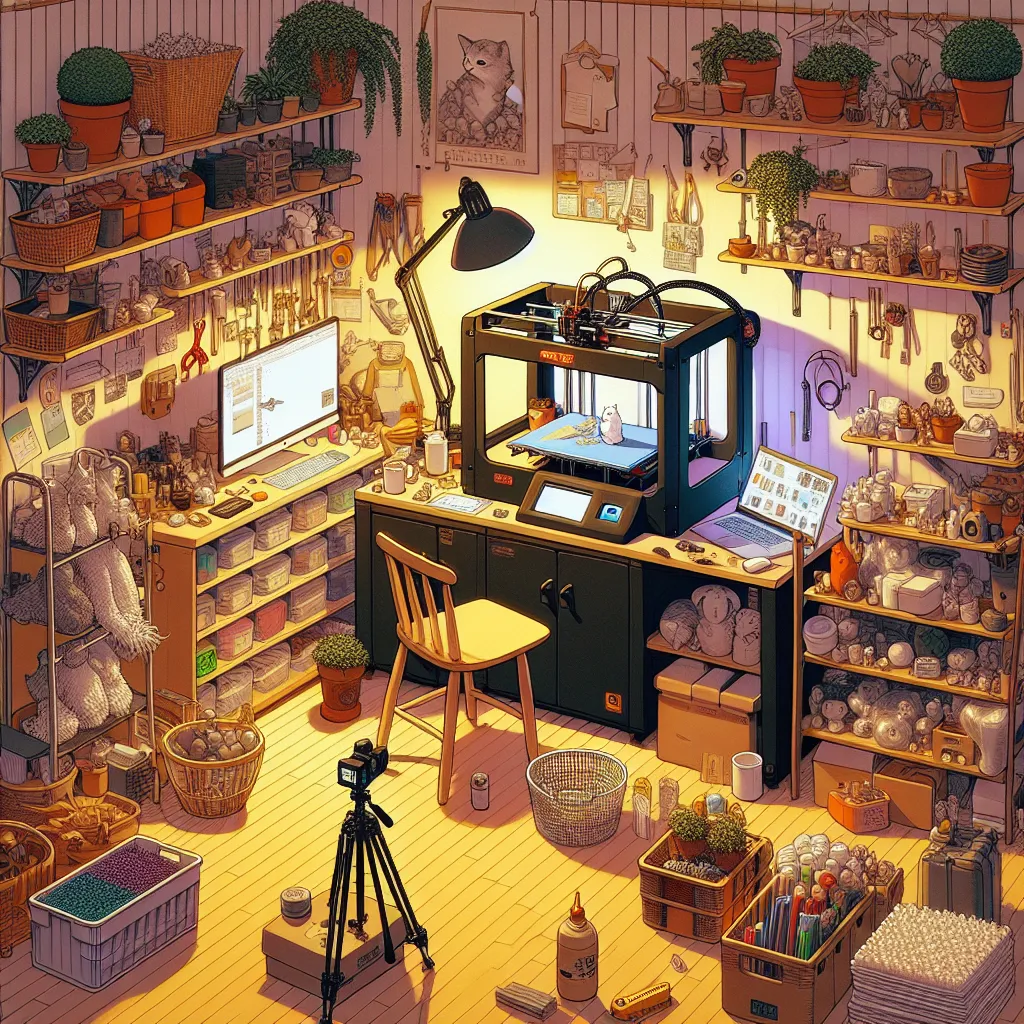
Description
No additional description provided.
The Pitch
The accessibility of 3D printing technology has transformed it from a niche hobby into a viable entry point for product creation. Individuals are increasingly interested in having personalized gadgets, decor, and tools, yet many lack the expertise or equipment to design and produce these items themselves. This scenario presents an opportunity to establish a business focused on creating niche products.
The challenge lies in addressing the gap between consumer demand for customized products and their limited access to design and manufacturing capabilities. People often desire unique or personalized items, such as intricately designed plant pots, tailor-made cosplay components, or innovative household solutions, but are unable to source them easily.
The solution involves leveraging 3D printing technology to produce these niche products. By tapping into the capabilities of a 3D printer, you can create a wide range of customized items. This approach not only fulfills the demand for personalized products but also allows for flexibility in design and production, enabling quick iteration and adaptation to market trends.
In terms of product details, you can start with a selection of popular and easily producible items. Consider offering customizable plant pots, cosplay accessories, and unique household gadgets. Keep the customization options clear yet varied to attract a broad audience.
Several tools can facilitate the launch of this venture as a minimum viable product. A reliable 3D printer can be acquired for less than $500, providing a cost-effective starting point. For design, utilize free or affordable software platforms like TinkerCAD or Fusion 360, which offer user-friendly interfaces even for those new to 3D modeling. Engage with online communities and forums such as Reddit or dedicated 3D printing groups to gain insights and share experiences.
The go-to-market strategy should focus on building a presence where your target audience already spends time. Platforms like Etsy are ideal for listing and selling your products, allowing you to reach a market that appreciates handcrafted and unique items. Social media platforms like Instagram and TikTok can be powerful tools for showcasing your creations through time-lapse videos of the printing process, which not only engage viewers but also build anticipation and demand for your products. Share behind-the-scenes content and tips on 3D printing to establish your expertise and attract a following.
The business model could revolve around direct sales through online marketplaces, coupled with custom commission work for specific client requests. Pricing strategies should reflect the uniqueness and customization of the products while remaining competitive. Consider exploring partnerships with local businesses or artisans for co-branded projects or workshops to expand your reach and customer base.
Starting this venture as a side hustle allows for manageable growth from your home, leveraging minimal overhead costs. While it may not yield instant riches, it offers a creative and scalable opportunity that can develop your skills in design, ecommerce, and branding through practical, hands-on experience.