Last-Minute Event Vendor Inventory Marketplace
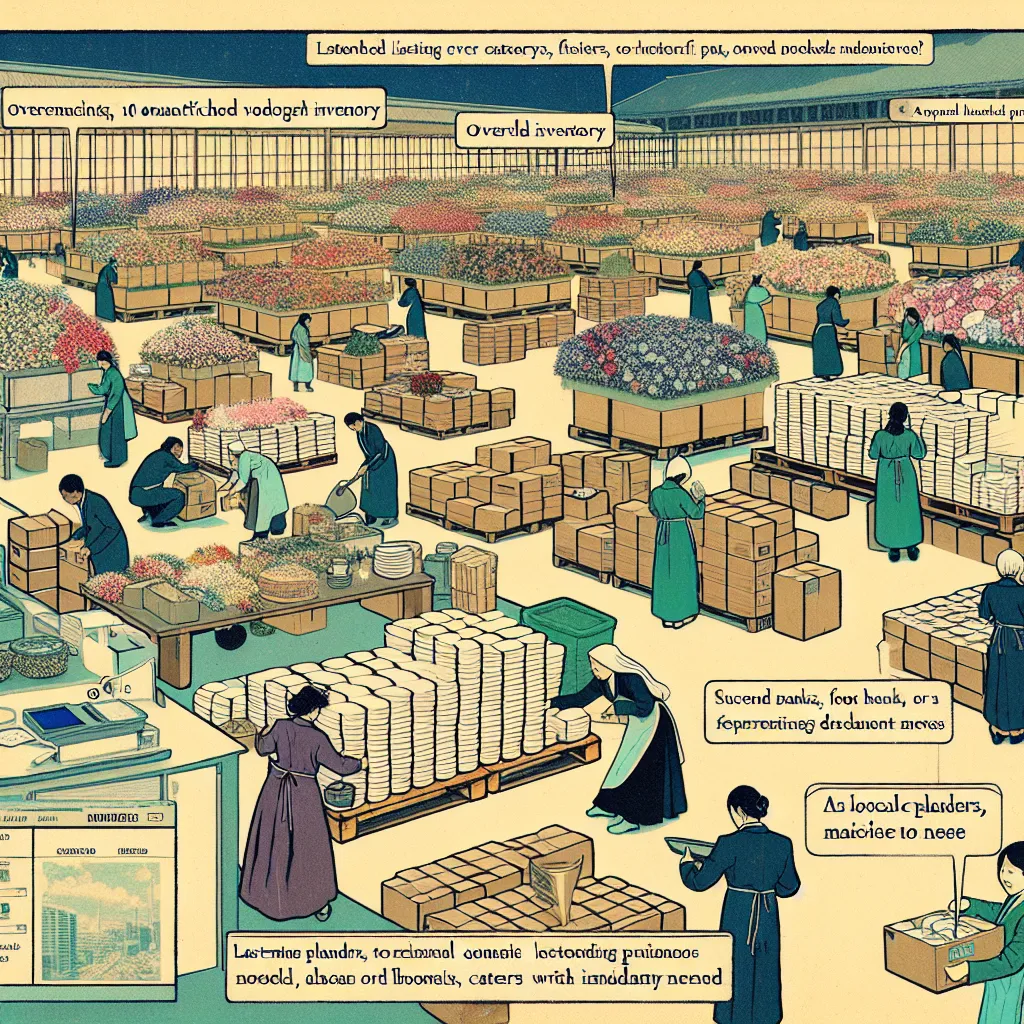
Event vendors like caterers, florists, and rental companies regularly face last-minute overages—extra linens, leftover food, surplus flowers—that are wasted or stored at cost. There’s no centralized way to offload this inventory. A B2B platform could connect vendors to nearby users—like last-minute planners, food banks, or other caterers—willing to buy at a discount. For example, a wedding caterer with 100 untouched boxed meals could list them on the platform, notifying local nonprofits or businesses with immediate need.
Description
No additional description provided.
The Pitch
Event vendors, such as caterers, florists, and rental companies, consistently deal with an accumulated inventory of overages and leftovers. These excess items range from extra linens and surplus flowers to untouched meals. Currently, there is no centralized system for vendors to efficiently offload these surplus resources. This often results in wastage or incurring additional storage costs. The absence of a streamlined channel for redistribution exacerbates this issue. A tailored B2B platform can offer an innovative solution by connecting vendors with local entities that can utilize these extra resources. This not only addresses wastage but also opens up an additional revenue stream.
The Problem
The primary challenge event vendors face is the sporadic accumulation of overages. Events rarely adhere to precise numbers, leading to extra food, unused decorations, or excess rentable items such as chairs and tables. Despite the challenge of forecasting exact requirements, once an event concludes, these surpluses must be managed promptly. Current disposal methods include storage, which incurs costs, or simply discarding the items, leading to wastage. There is an evident gap in efficiently connecting vendors with potential buyers or users who can capitalize on these excess items.
The Solution
To address this challenge, a B2B platform will be developed to function as a marketplace for event vendors. This platform will allow vendors to list surplus items, offering them at a discounted rate. Local businesses, nonprofits, and planners with immediate needs can browse and purchase or acquire these excess items. For instance, a catering business with extra gourmet meals can quickly connect with nearby NGOs or shelters in need of food donations.
Product Details
The proposed platform will have the following features:
1. Vendor Portal: Vendors can easily list surplus items, including descriptions, quantities, and discounted prices. Options for donations can also be enabled.
2. User Interface: Purchasers such as event planners or local nonprofits can browse listings by location, item type, or urgency.
3. Real-time Notifications: Interested users receive alerts when items that meet their criteria become available.
4. Analytics Dashboard: Vendors can track items listed, items sold, and overall savings or revenue generated from using the platform.
5. Review System: Both vendors and buyers can leave reviews, ensuring transparency and trust in transactions.
Tools for MVP Launch
To facilitate a swift and successful launch of the minimum viable product (MVP), several tools can be utilized:
1. No-Code Platforms: Tools like Bubble or Adalo can help rapidly build the primary version of the platform.
2. Payment Systems: Integrate secure payment gateways like Stripe or PayPal to handle transactions seamlessly.
3. Cloud Hosting: Utilize AWS or Firebase for scalable backend support, essential for handling growing user numbers.
4. Notification Services: Implement push notifications with services like OneSignal to keep users updated in real-time.
GTM Strategy
1. Early Partnerships: Establish partnerships with large event vendors, local nonprofits, and planning agencies to adopt the platform early.
2. Marketing Campaigns: Use targeted ads and social media to reach both vendors and prospective buyers. Highlight testimonials and success stories.
3. Community Engagement: Host workshops or webinars illustrating the platform’s benefits and training users on optimal utilization.
4. Referral Programs: Incentivize users to bring in peers, building a larger network and increasing platform activity quickly.
Business Model
The revenue model will be primarily based on transaction fees. A small percentage will be charged for each successful transaction on the platform. Other potential revenue streams include:
- Subscription Tiers: Offer premium features for vendors such as enhanced listing options or analytics insights.
- Advertisement: Allow vendors or allied businesses to promote their services on the platform.
- Data Insights: Anonymous data can be leveraged to provide industry insights to partners or stakeholders interested in event trends.
Conclusion
By introducing a dedicated B2B platform that connects event vendors with local entities in need, we can mitigate the issue of inventory surplus. This solution not only aids vendors in cost savings but also fosters community support and sustainable practices within the events industry.