Last-Minute Discount Meal Kits Platform
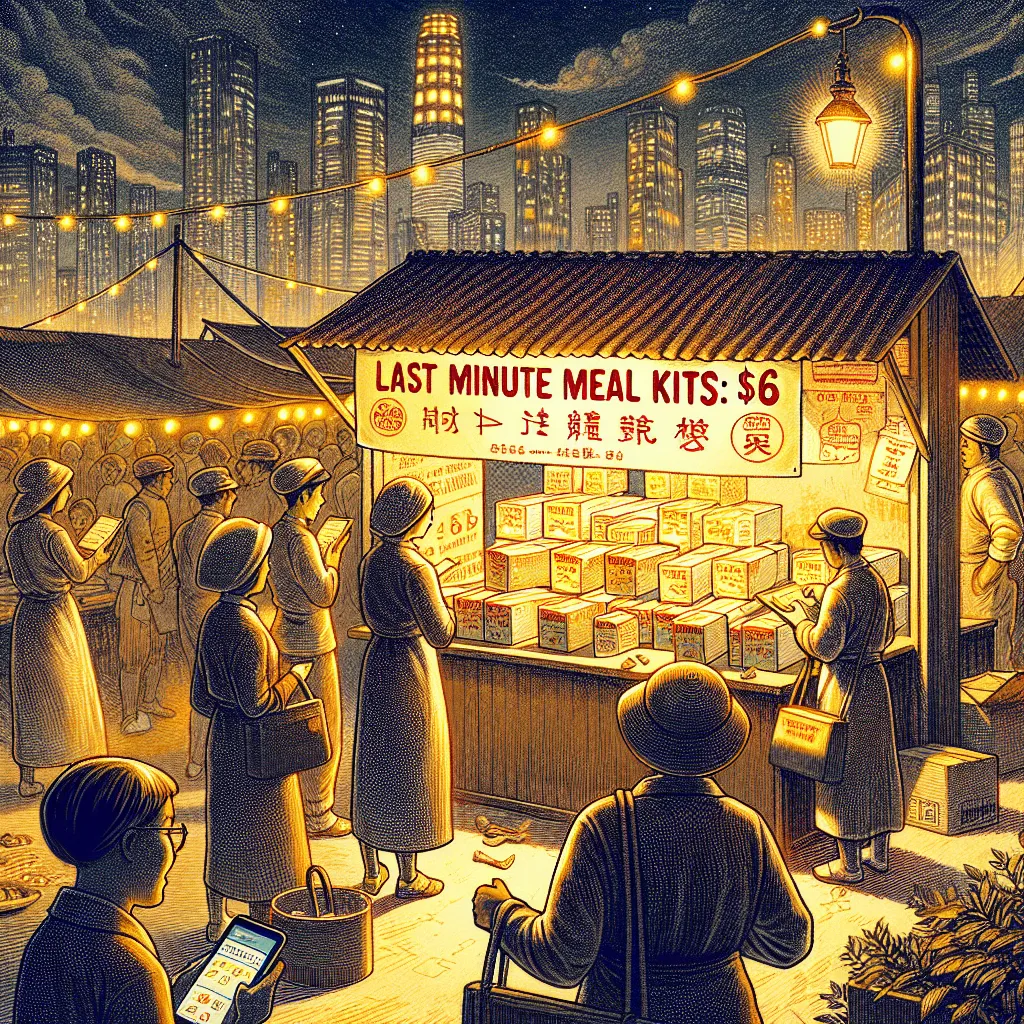
Meal kit companies frequently overproduce kits based on forecast models or last-minute cancellations. These meals often go to waste. A last-minute platform could sell these kits at a steep discount to flexible buyers within delivery radius (like students, budget-conscious families, etc.). For instance, HelloFresh overproducing 1,000 kits on Monday night could instantly list them for $6 each, geo-targeted to people within 10 miles — moving perishable inventory while building brand goodwill.
Description
No additional description provided.
The Pitch
Meal kit companies have gained popularity due to their convenience and ability to simplify meal preparation. However, a significant challenge these companies face is inventory management, specifically related to overproduction and last-minute cancellations. This often leads to surplus meal kits that go to waste, representing a loss in potential revenue and contributing to food waste.
**Identifying the Problem**
Overproduction and cancellations are common in the meal kit industry. Companies use forecast models to predict demand, but inaccuracies and unpredictable consumer behavior can result in excess inventory. These surplus meal kits are typically perishable, meaning that companies have a limited time window to manage them before they spoil.
**The Proposed Solution**
A dynamic last-minute sales platform can address this problem by offering surplus meal kits to consumers at discounted prices. This solution targets flexible buyers, such as students, budget-conscious families, or anyone open to purchasing meal kits at a discount with short notice. By creating a geo-targeted digital marketplace, companies can list available surplus inventory to people within a certain delivery radius, allowing them to manage excess products while preventing food wastage and bolstering goodwill.
**Product Details**
1. **Platform Features:** - Real-time Inventory Updates: Automatically update inventory levels as changes occur. - Geo-Targeting: Target potential buyers within a specific delivery radius. - Flexible Pricing: Implement dynamic pricing based on inventory levels and demand. - User-Friendly Interface: Ensure easy navigation and straightforward purchasing for users. - Notification System: Alert potential buyers of available deals through push notifications or emails.
2. **User Base:** - Design specifically for flexible buyers interested in cost savings. - Incorporate options for subscription alerts based on user preferences.
3. **Partnerships:** - Collaborate with existing meal kit providers to integrate with their inventory systems for seamless operations. - Build relationships with delivery services to ensure timely deliveries.
**Tools for MVP Launch**
To quickly develop and launch this platform as a Minimum Viable Product (MVP):
- **Web Development Frameworks:** Utilize platforms like React or Angular for building a responsive web interface. - **Backend Solutions:** Leverage Node.js or Django for building scalable backend systems. - **Database Management:** Choose a dynamic database solution such as PostgreSQL or MongoDB for real-time inventory updates. - **Cloud Hosting Services:** Deploy the platform using cloud services like AWS or Google Cloud for scalability. - **Geo-Targeting Tools:** Integrate with APIs such as Google Maps for precise location targeting.
**Go-to-Market Strategy**
1. **Market Research:** - Conduct surveys and focus groups to understand target demographics and fine-tune offerings.
2. **Partnership Development:** - Establish agreements with meal kit companies to access their surplus inventory.
3. **Marketing Campaigns:** - Use social media platforms and targeted ads to reach potential users within specific geographic areas. - Offer initial promotions or discounts for first-time users to drive trial and adoption.
4. **Feedback and Iteration:** - Actively gather user feedback to improve the platform and services. Implement continuous updates based on customer suggestions.
5. **Local Community Engagement:** - Engage with local communities and organizations, highlighting the benefits of reducing food waste.
**Business Model**
- **Revenue Streams:** - Transaction Fees: Charge a small fee on each transaction executed through the platform. - Subscription Model: Offer premium subscription services that provide additional benefits, such as earlier access to deals.
- **Cost Structure:** - Development and maintenance of the platform, partnerships, marketing, and customer support.
**Conclusion**
By facilitating last-minute sales of surplus meal kits, this platform not only helps meal kit companies manage their inventory effectively but also offers cost-saving opportunities to consumers. It also contributes to reducing food waste, aligning with sustainable business practices. Through a well-researched approach and strategic implementation, this concept has the potential to revolutionize inventory management in the meal kit industry.