KitchenBrain: Cloud-Based Robotic Kitchen Platform
Description
No additional description provided.
The Pitch
Title: Revolutionizing the Restaurant Industry with KitchenBrain
Overview:
The restaurant industry is facing an unprecedented challenge: advancing automation technology. Many establishments, especially smaller ones, struggle to keep up with the high costs of integrating robotic technology into their kitchens. This gap between technology and affordability threatens their ability to compete and survive. KitchenBrain offers a solution to bridge this gap by providing a shared, cloud-based platform that allows restaurants to access robotic kitchen capabilities in a scalable, cost-effective manner without the need for significant capital investment.
Backstory:
In recent years, larger restaurant chains have begun experimenting successfully with robotic kitchens to streamline operations, reduce human error, and increase efficiency. Brands like Wonder and Spyce have demonstrated the potential benefits of such automation, yet this is largely out of reach for small to medium-sized establishments due to high costs and technical barriers. As consumer expectations evolve towards faster and more consistent service, smaller players in the food industry find themselves pressured to adapt or face obsolescence.
Problem:
The primary issue is accessibility to affordable automation for smaller restaurants. Current robotic kitchen technologies require significant upfront investments, ongoing maintenance costs, and technical expertise—all beyond the capabilities of most independent eateries. Additionally, the growing consumer demand for speedy service and consistent quality further exacerbates the challenges faced by these establishments, putting their long-term viability at risk.
Solution:
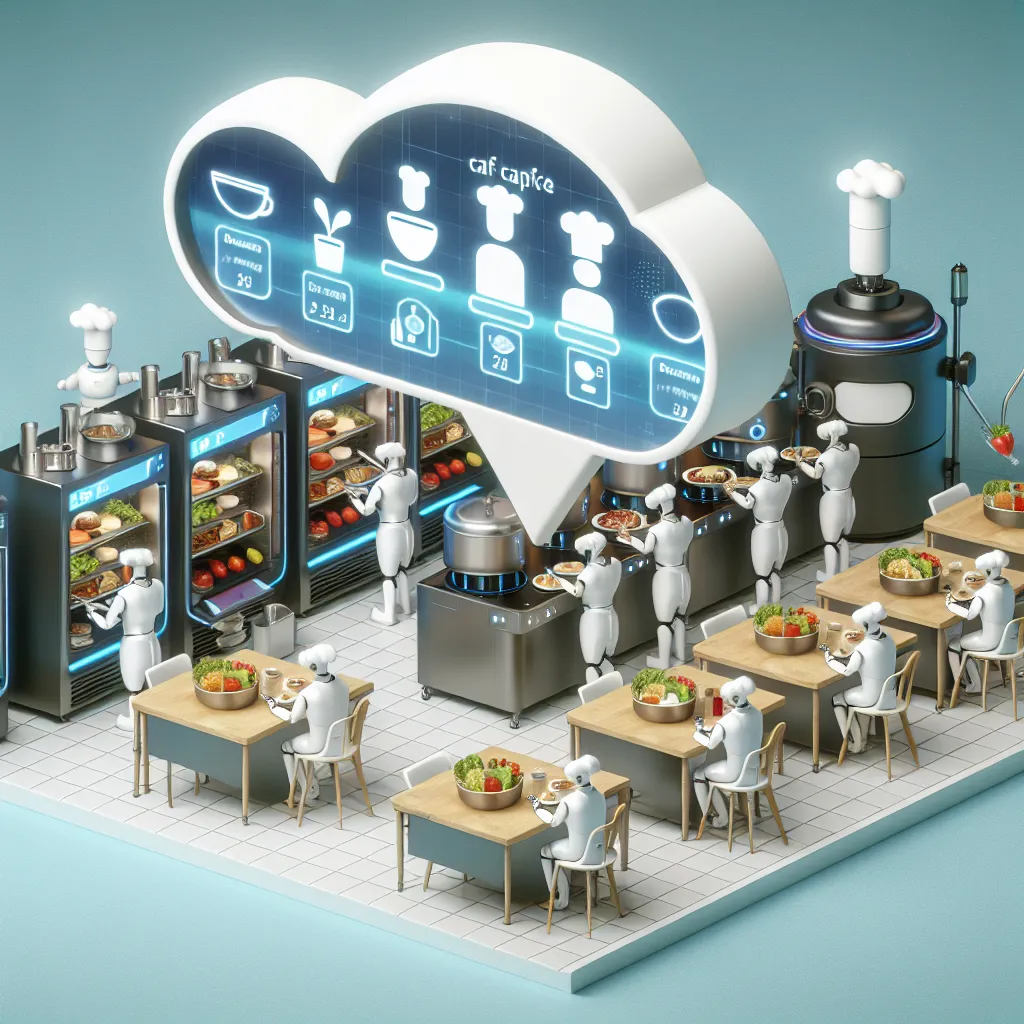
KitchenBrain aims to democratize access to kitchen automation through a cloud-based, shared platform. By allowing restaurants to rent robotic kitchen capacity, akin to how startups rent server space from cloud providers, KitchenBrain eliminates the need for costly investment in physical machinery. It provides a flexible solution tailored to the changing needs of the restaurant, allowing businesses to scale production up or down based on demand. Restaurants would upload their menus and supply ingredients, which are then processed by centralized robotic kitchens, ensuring consistent and efficient meal preparation.
Product Details:
1. Cloud Platform Integration: KitchenBrain offers an intuitive online platform where restaurant owners can easily register, upload their menu items, and manage orders in real-time.
2. Robotic Kitchen Facilities: Centralized, state-of-the-art robotic kitchens equipped to handle a wide variety of cuisines, ensuring quality and consistency.
3. Logistics Support: Efficient supply chain management ensures that ingredients are shipped to and from the robotic kitchen facilities seamlessly.
4. Data Analytics: Advanced analytics to help businesses understand order patterns, optimize menu offerings, and improve customer satisfaction.
Tools to Launch as an MVP:
1. Web Development Frameworks: Tools like React or Angular for building a user-friendly interface.
2. Cloud Services: Solutions like AWS or Google Cloud for reliable hosting and scalable infrastructure.
3. Robotics Integration: Cutting-edge robotic technology from partners specializing in automated food preparation systems.
4. Logistics Management Software: Systems such as ShipBob or Flexe for managing the supply chain efficiently.
GTM Strategy:
1. Target Audience: Focus on small to medium-sized restaurant owners who are keen on leveraging automation but are unable to afford the high costs.
2. Partnerships: Collaborate with existing robotic kitchen manufacturers to leverage their technology and expertise.
3. Pilot Programs: Initiate pilot programs in key urban areas to demonstrate the efficacy and efficiency of KitchenBrain.
4. Marketing: Utilize digital marketing channels, such as social media and industry blogs, to reach potential customers and create awareness.
Business Model:
1. Subscription Model: Charge restaurants a monthly fee based on their required capacity and usage.
2. Pay-Per-Use Fees: Implement additional charges based on the volume of orders processed and robotic kitchen usage.
3. Tiered Pricing: Offer different service tiers to cater to varied business sizes and needs, from small cafes to medium-sized chains.
Conclusion:
By providing accessible, scalable, and effective robotic kitchen solutions, KitchenBrain has the potential to transform the restaurant industry. This revolutionary approach not only enables smaller restaurants to compete on a level playing field but also redefines the future of food service.