KindMind: Automating Generosity in Everyday Transactions
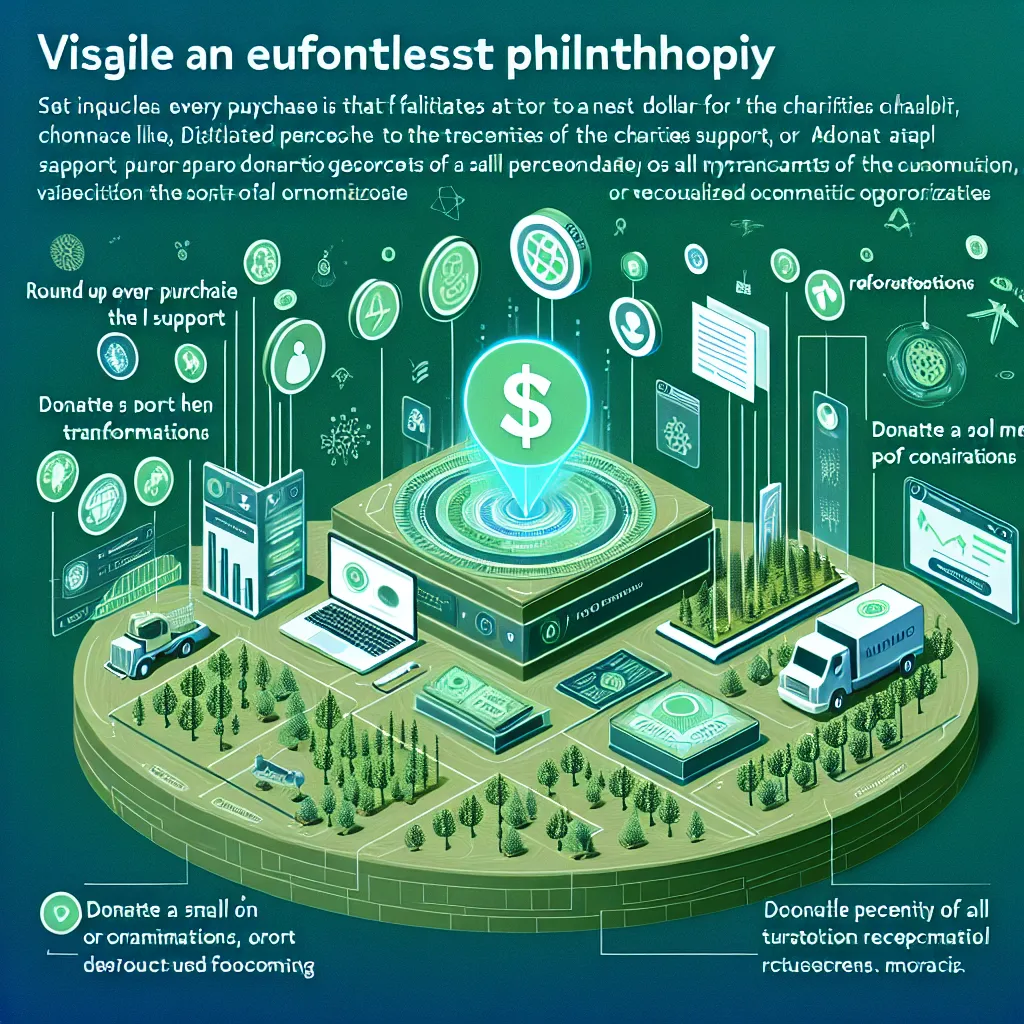
AI-driven commerce can make generosity automatic. A startup could let users instruct their agents: “Round up every purchase to the nearest dollar for causes I care about” or “Donate 1% of all PayPal payments made via ChatGPT to reforestation.” It becomes GiveWell meets Venmo, turning frictionless buying into frictionless giving. The system automatically allocates micro-donations across verified nonprofits or DAOs, providing receipts and impact reports. With PayPal’s transaction visibility, it’s fully automatable. Call it KindMind, the invisible charity layer for the agentic economy — embedding altruism directly into everyday commerce flows.
Description
No additional description provided.
The Pitch
In today's increasingly digital economy, consumers seek meaningful ways to integrate philanthropy into their daily transactions. While payment systems have become more efficient, adding a layer of generosity can often feel cumbersome and fragmented. Enter the concept of an AI-driven platform that seamlessly links everyday transactions to charitable giving, allowing users to round up purchases or allocate a percentage of transactions to causes they care about.
*Backstory*
Consider a typical consumer who makes numerous digital transactions daily through various platforms like PayPal, Venmo, and ChatGPT. Despite a desire to contribute to charitable causes, the consumer often encounters friction, be it the need to research charities, make separate transactions, or trust the legitimacy of organizations. This common scenario presents a unique opportunity to integrate giving into the digital wallets and transaction flows that customers already use.
*Problem*
1. **Fragmented Giving:** Consumers interested in charitable donations often find it cumbersome to donate small amounts regularly.
2. **Lack of Transparency:** There’s skepticism surrounding the legitimacy of charities and where exact contributions are going.
3. **Inefficient Processes:** Users must often perform additional steps outside their usual purchasing flow to donate.
*Solution*
The proposed platform, tentatively named KindMind, aims to eliminate these hurdles by automating philanthropic efforts through everyday transactions. The platform would enable users to set up donation preferences, such as rounding up purchases to the nearest dollar or dedicating a percentage of specific payments to verified nonprofits. This creates an ecosystem akin to a fusion of GiveWell and Venmo, turning everyday purchases into opportunities for seamless giving.
*Product Details*
1. **User Dashboard:** A simple interface where users can choose their donation settings and preferred causes.
2. **Automated Transactions:** An integration with platforms like PayPal and Venmo to facilitate real-time charitable donations as transactions occur.
3. **Verification System:** Partner with established nonprofits and DAOs to ensure all recipients are verified and trustworthy.
4. **Reporting Feature:** Provide users with transparent reports on where their contributions go and the impact they have made.
5. **Receipt System:** Offer automated generation of tax-deductible receipts for users' records.
*Tools for MVP Launch*
1. **API Integrations:** Use payment gateway APIs from platforms like PayPal or Stripe to automate transactions.
2. **AI Allocation Engine:** Develop an AI-driven system to allocate funds based on user preferences and optimize for impact.
3. **Nonprofit Database:** Build or partner with a service that offers a comprehensive database of verified nonprofits.
4. **Frontend Framework:** Leverage frameworks like React or Vue.js for a responsive and engaging user interface.
5. **Cloud Hosting Services:** Utilize providers like AWS or Google Cloud for scalable backend support.
*Go-to-Market Strategy (GTM)*
1. **Initial Target Audience:** Engage tech-savvy, socially conscious consumers who are already actively using digital payment systems.
2. **Partnerships:** Collaborate with fintech companies and nonprofit organizations to broaden market reach and enhance legitimacy.
3. **Marketing Channels:** Utilize social media, tech blogs, and targeted online ads to raise awareness and educate consumers on effortless giving.
4. **Incentives and Rewards:** Offer rewards such as matching donations during initial launch or integrating gamification features to increase user engagement.
*Business Model*
1. **Freemium Service:** Offer basic services free of charge, with premium features such as detailed analytics, custom reporting, and exclusive nonprofit partnerships available for a subscription fee.
2. **Transaction Fees:** Charge a minimal service fee on transactions to nonprofits while ensuring transparency about such fees.
3. **Corporate Sponsorships:** Partner with businesses interested in enhancing their corporate social responsibility initiatives by integrating KindMind's service into their ecosystems.
In conclusion, the AI-driven platform KindMind offers an innovative solution to embed philanthropy directly into digital commerce. It transforms micro-donations into impactful contributions, providing a seamless and transparent experience for both consumers and charities. As the agentic economy grows, KindMind aims to make generosity automatic, accessible, and ingrained in the fabric of everyday transactions.
---