Kid-Friendly Transdermal Therapy for Needle Phobia
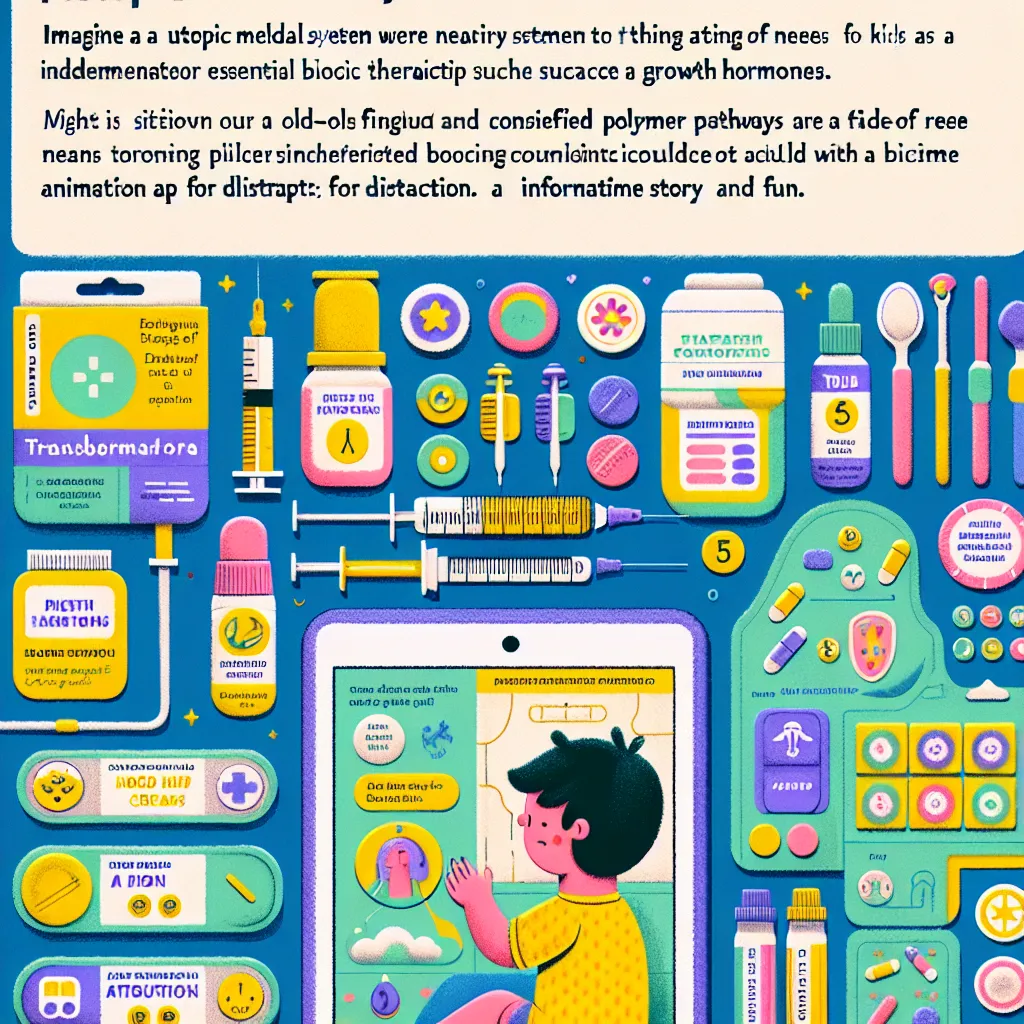
Up to 50% of kids have needle phobia, and biologic therapies—insulin, growth hormone, allergy shots—can cause long-term trauma. Transdermal polymer pathways offer the first real alternative. A startup could build a kid-friendly delivery system: colorful patches, creams with dosing stickers, and a companion animation app. The “why now” is that large molecules like insulin were not previously deliverable through skin; the breakthrough makes pediatric-first formulations viable. A six-year-old with growth hormone deficiency could get nightly treatment through a patch combined with a bedtime story animation instead of nightly injections.
Description
No additional description provided.
The Pitch
A significant portion of children experience needle phobia, with estimates suggesting that up to 50% of kids are affected. This fear can have lasting psychological impacts, especially for those who require frequent medication through injections, such as insulin, growth hormones, and allergy shots. To address this challenge, transdermal polymer pathways present a groundbreaking alternative. This document outlines the backstory, problem, solution, and product details for a potential startup poised to transform pediatric drug delivery.
Backstory: For decades, children requiring biologic therapies have had to endure painful injections, often leading to anxiety and trauma. The medical community has long sought ways to make treatment less distressing, especially for pediatric patients. Recent advancements in transdermal technology now make it possible to deliver large molecules, such as insulin, through the skin—a feat previously deemed unattainable. This breakthrough paves the way for a shift in how medications are administered to young patients.
Problem: The psychological and emotional toll of needle-related treatments on children is profound. Fear of needles can lead to treatment avoidance, increased anxiety, and a negative association with healthcare professionals. For children on long-term therapy, this repeated stress can hinder compliance and overall quality of life. Parents and caregivers struggle with the difficulty of administering these necessary treatments, leading to frustration and emotional strain within families.
Solution: By harnessing the power of transdermal polymer pathways, a startup can develop a kid-friendly drug delivery system that eliminates the need for needles. This innovative system can include colorful patches and creams with integrated dosing stickers. Additionally, a companion animation app can be designed to engage children during treatment, transforming what was once a stressful experience into a routine bedtime activity.
Product Details: 1. Transdermal Patches: Vibrantly designed patches that administer the required dose of medication through the skin. These patches can be customized with characters and colors to appeal to children's preferences.
2. Medication Creams: Dosing creams that are easy to apply and can come with integrated dosing stickers to ensure accuracy and engagement.
3. Companion Animation App: An interactive app that features bedtime stories and animations, designed to distract and comfort children during treatment. The app can include tracking features for parents to ensure adherence to treatment schedules.
Tools for MVP Launch: 1. Product Development Platforms: Utilize platforms like Tinkercad for initial design and prototyping of patches and creams.
2. Mobile App Builders: Tools like Flutter or React Native can be used to quickly develop the companion animation app.
3. Clinical Partnerships: Collaborate with pediatric hospitals and research institutions for clinical trials and testing.
4. Regulatory Guidance: Engage with consultants specializing in FDA approval processes for medical devices.
Go-To-Market Strategy: 1. Pilot Programs: Launch pilot programs in partnership with pediatric hospitals to gather feedback and demonstrate efficacy.
2. Educational Campaigns: Implement educational initiatives to raise awareness among healthcare providers and parents about the benefits of needle-free delivery systems.
3. Strategic Partnerships: Collaborate with pediatricians and child psychologists to advocate for the adoption of these new methods.
Business Model: 1. Direct-to-Consumer: Offer subscription-based packages to parents that include patches, creams, and access to the companion app.
2. B2B Partnerships: Form partnerships with healthcare providers and insurance companies to integrate the product into existing treatment plans.
3. Licensing Opportunities: Explore potential licensing agreements with pharmaceutical companies interested in incorporating transdermal delivery into their product lines.
Conclusion: The opportunity to transform the lives of children who require needle-based treatments has never been more attainable. By developing an engaging and kid-friendly transdermal drug delivery system, a startup can address a critical need in pediatric healthcare, combining clinical innovation with compassionate care.