Introducing FuelGuard: The Innovative Vehicle Safety System Preventing Drive-Aways with Fuel Nozzles Attached
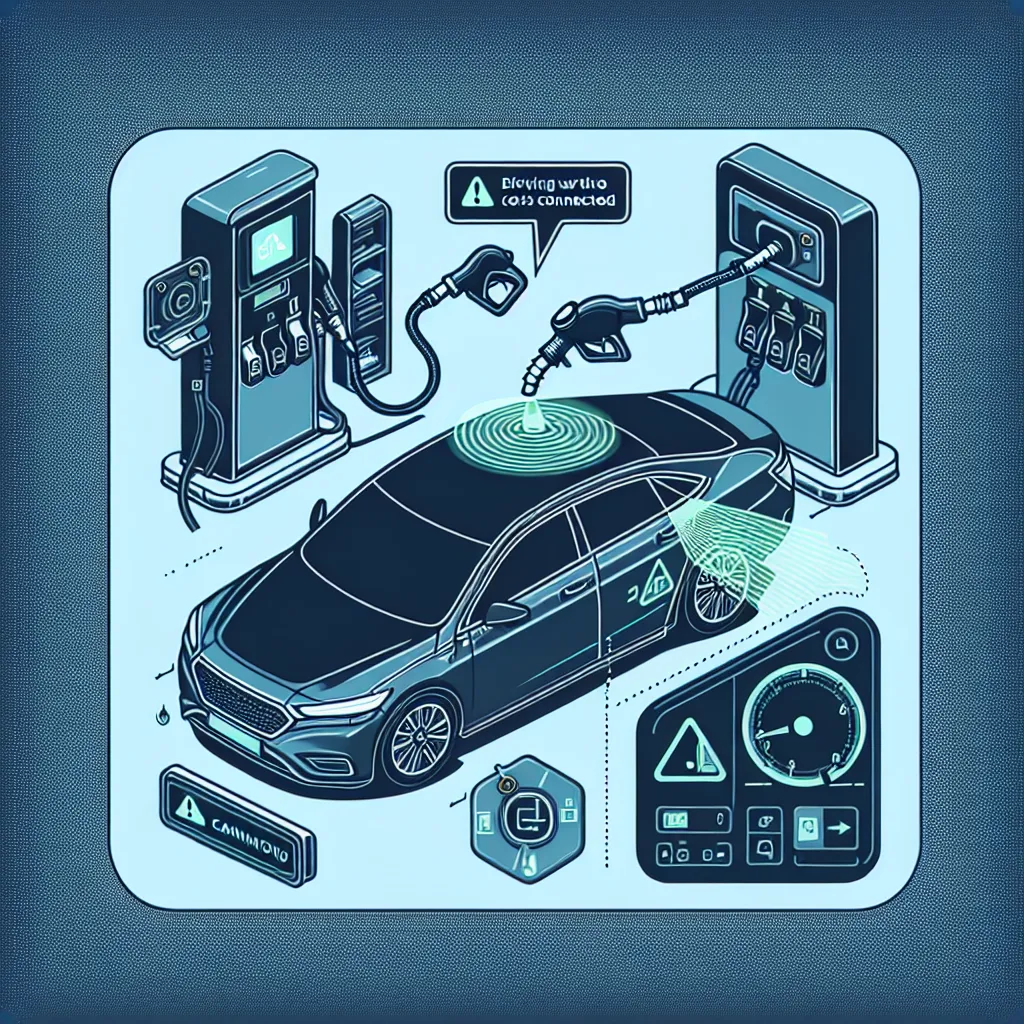
Description
A safety feature for vehicles to prevent driving away while the fuel nozzle is still in the tank. It uses a sensor in the tank's filler neck to detect if the nozzle is attached. If the nozzle is detected, the vehicle either won't start or won't let you shift into gear if it's already running. Plus, the dashboard will display a reminder to remove the fuel nozzle before you can start the car or shift into drive. This ensures that nobody accidentally drives off with the fuel nozzle still connected.
The Pitch
Every year, thousands of drivers mistakenly drive away from gas stations with the fuel nozzle still attached to their vehicle's fuel tank. This not only causes damage to the gas station equipment and the vehicle but can also lead to dangerous fuel spills, posing a significant hazard to the environment and public safety.
Solution Overview: Our proposed solution is an innovative vehicle safety feature called "SafeFuel". This system includes a sensor embedded in the tank's filler neck that detects the presence of a fuel pump nozzle. If a nozzle is still inserted, the vehicle's ignition system will be disabled, preventing the engine from starting, or if the vehicle is already running, it will prevent the driver from shifting into gear. Additionally, a clear alert will display on the vehicle's dashboard, reminding the driver to remove the fuel nozzle.
Target Audience: The primary audience for SafeFuel are automotive manufacturers seeking to enhance the safety features of their vehicles. Secondary audiences include fleet operators, rental car companies, and individual car owners interested in retrofitting their vehicles with advanced safety technology.
Value Proposition: SafeFuel offers enhanced safety, preventing potential costly accidents and fuel spills. By integrating this technology, automotive manufacturers can provide a safer, more responsible driving experience, and differentiate their vehicles in a competitive market focused on safety and innovation. Fleet operators and rental companies will benefit from reduced liability and maintenance costs.
Market Analysis: Research indicates an upward trend in consumer demand for vehicle safety technologies. Additionally, environmental regulations and sustainability goals worldwide drive innovation towards safer fuel handling practices. Competitors primarily focus on external sensors and cameras, but none directly address the issue of disengaged fuel nozzles. Our internal sensor approach offers a more fail-safe solution by integrating directly with vehicle operation systems.
Implementation Plan: The deployment of SafeFuel will be phased: 1. Prototype Development and Testing: Collaborate with engineering teams for designing and testing the sensor system. 2. Partner with a small number of automotive manufacturers for pilot integration projects. 3. Gather data and refine the technology based on pilot testing results. 4. Scale up for mass production through partnerships with leading automotive parts suppliers. 5. Marketing and awareness campaigns targeting automotive manufacturers and the public to drive adoption.
Monetization Strategy: SafeFuel will be offered to car manufacturers and retrofitting markets through direct sales of the sensor systems and licensing agreements. Long-term monetization will include maintenance services and potentially subscription-based updates for system software.
Impact Assessment: Implementation of SafeFuel is expected to significantly reduce incidents of vehicles driving away with the fuel nozzles, therefore minimizing hazardous spills and equipment damage across thousands of fueling stations globally. This contributes to a cleaner environment and improved public health and safety. The adoption of SafeFuel will set new standards in automotive safety, potentially leading to collaborations with insurance companies to lower premiums for equipped vehicles, thereby benefiting consumers and boosting market acceptance.