Internet of Compute: Future Localized AI Processing
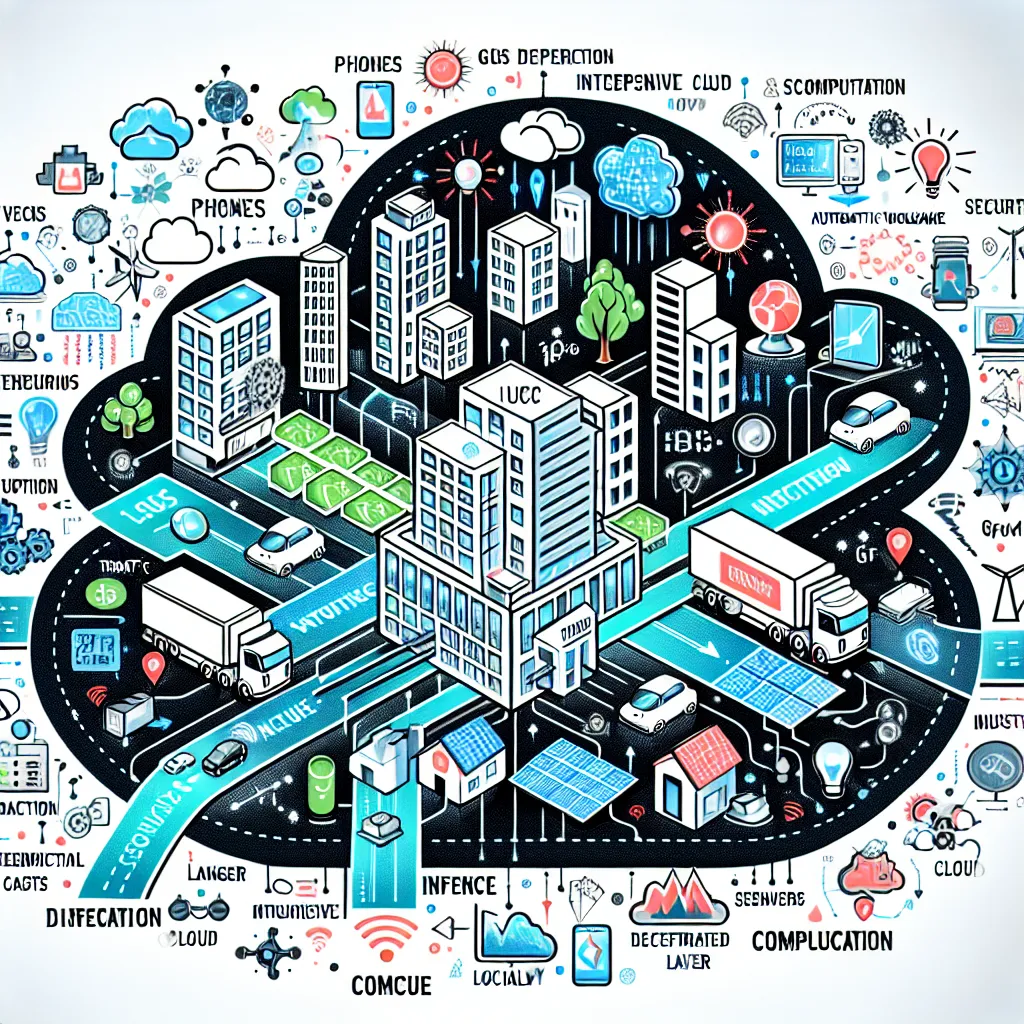
We still treat the cloud like a giant centralized computer—but the future is billions of devices running inference locally. The missing piece is an OS that automatically routes workloads between phones, cameras, microdata centers, and on-prem GPUs, depending on cost, latency, and privacy. Why now? The cost of centralized compute is exploding while demand for low-latency AI is surging. Imagine your building’s HVAC, solar panels, security cameras, and industrial sensors all powering a shared compute layer that runs apps locally. It’s the “Internet of Compute,” not just the Internet of Things.
Description
No additional description provided.
The Pitch
As technology continues to evolve, the way we think about computing must adapt to stay current with these advancements. Traditionally, cloud computing has been the backbone of modern digital infrastructure, centralized and robust. However, the landscape of computing is changing, and we're on the cusp of a new era where billions of devices will perform tasks locally. This shift necessitates a unique operating system that can dynamically distribute workloads among various devices and infrastructures based on specific requirements such as cost, latency, and privacy.
Backstory
The concept of computing has largely been dominated by the idea of centralized networks, where vast arrays of servers handle data processing and resource allocation. While this model has served us well in the past, the current trend towards AI-driven applications and the exponential growth in smart devices have exposed its limitations. The demand for low-latency processing and real-time responses is outstripping the capabilities of traditional cloud systems. At the same time, the cost of maintaining centralized computing at scale is rising steeply.
Problem
The increasing reliance on cloud-based infrastructure to meet AI's computational needs presents several challenges. Centralized systems can create bottlenecks and latency issues, as data must travel back and forth between devices and distant data centers. Privacy concerns also arise, as sensitive data is often transmitted and stored in third-party locations. Furthermore, the financial burden of scaling centralized compute resources can be prohibitive for many organizations.
Solution
The solution is an operating system designed for the decentralized future: a seamless platform that intelligently distributes computational tasks across a network of devices and infrastructures. This system prioritizes where workloads are processed based on the specific demands of each task. By leveraging local devices, such as phones, cameras, on-premises GPUs, and microdata centers, it minimizes latency and reduces costs while maintaining data privacy.
Product Details
The proposed operating system will include the following features:
1. Intelligent Workload Routing: Automatically directs tasks to the most appropriate processing unit, whether it's a local sensor, a smartphone, or a nearby edge server. 2. Cost, Latency, and Privacy Optimization: Evaluates each task to determine the optimal balance between processing cost, speed, and data security. 3. Multi-Device Integration: Connects and manages a diverse ecosystem of devices, allowing them to function as a cohesive computational unit. 4. Scalability: Designed to grow with expanding network and data needs, ensuring continuous performance improvements. 5. User-Friendly Interface: Offers an intuitive dashboard for easy monitoring and management of network resources and task distribution.
Tools for Launching MVP
To develop an MVP (Minimum Viable Product) of this operating system, consider using the following tools and platforms:
- Edge Computing Platforms: Utilize solutions like AWS Greengrass or Azure IoT Edge to simulate local processing environments. - Containerization: Leverage Docker and Kubernetes to create flexible and modular architectures. - Machine Learning Frameworks: Integrate TensorFlow Lite or PyTorch Mobile to facilitate local AI inference. - Networking Protocols: Employ MQTT or CoAP for efficient device-to-device communication.
Go-to-Market Strategy (GTM)
1. Target Audience: Focus initially on enterprises with large IoT deployments, such as smart building management companies, manufacturing plants, and energy providers. 2. Partnership Development: Collaborate with hardware manufacturers and IoT platform developers to enhance integration capabilities. 3. Pilot Programs: Launch limited trials with key partners to refine the system and demonstrate value. 4. Industry Conferences and Webinars: Highlight the benefits and capabilities of the operating system at relevant technology events and through online educational sessions.
Business Model
1. Subscription-Based Licensing: Offer tiered subscription plans, providing different levels of access and support. 2. Usage-Based Pricing: Charge based on the volume of data processed and the number of devices integrated. 3. Enterprise Solutions: Provide custom solutions and dedicated support for enterprise clients with unique needs.
Conclusion
By creating an operating system designed for distributed computing, we can address the rising demands of AI applications while reducing costs and enhancing privacy. This decentralized approach leverages the potential of local and edge devices, positioning us firmly in the future landscape of computing. Embracing this innovative solution will revolutionize how industries manage and process data, driving efficiency and unlocking new possibilities.