Interactive Worlds for Deeper Fan Engagement
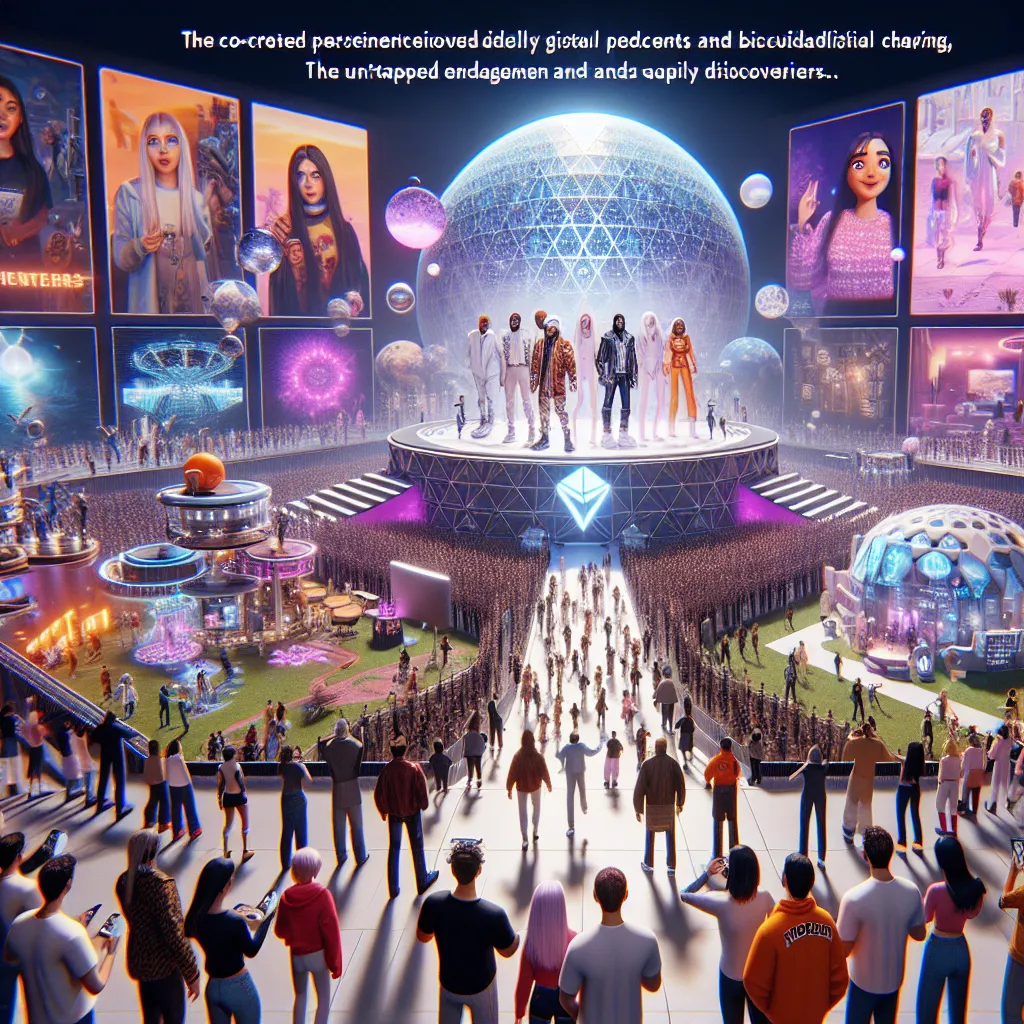
Virtual creators interact with fans 1-to-1, but what about creating shared, explorable worlds? Problem: Fans want deeper engagement than just livestreams or videos. Solution: A platform where VTubers and Virtual Artists can co-create shared interactive worlds — a persistent 3D space where fans can attend shows, interact with virtual idols, and unlock exclusive content. Why now: Roblox, Fortnite, and VRChat showed there’s demand for social gaming worlds — extend that to creator fandoms. Example: A virtual K-Pop group could host concerts in their custom-designed fantasy world where fans unlock Easter eggs tied to album releases.
Description
No additional description provided.
The Pitch
Interactive virtual worlds present an exciting frontier for creators looking to deepen fan engagement. There's a growing interest in moving beyond traditional livestreams and videos to offer fans immersive experiences where they can interact with virtual creators in shared spaces. The vision is to enable VTubers and virtual artists to build persistent, interactive 3D worlds that act as hubs for fan engagement.
Background: In recent years, platforms like Roblox, Fortnite, and VRChat have demonstrated a high demand for social gaming worlds. These platforms allow users to create, explore, and interact in user-generated 3D environments. However, the intersection of these interactive spaces with the world of virtual creators is still relatively untapped. Fans are increasingly looking for more dynamic interactions with their favorite creators, seeking deeper engagement that goes beyond passive video consumption.
The Problem: Traditional engagement methods such as livestreams, social media interactions, and video content have limitations when it comes to providing a sense of community and immersion. Fans crave experiences that make them feel more connected to the creator and the community surrounding them. The current offerings don't fully utilize the potential of virtual environments to enhance these interactions.
The Solution: Imagine a platform specifically designed for VTubers and virtual artists to create shared, interactive worlds. These worlds serve as persistent 3D spaces where fans can attend virtual performances, participate in events, interact with their favorite virtual idols, and access exclusive content. By enabling creators to build unique, explorable environments, fans gain a richer and more immersive experience, fostering a deeper connection with the creators and each other.
Product Details: The platform would offer a suite of tools that are easy to use, allowing creators to design and customize their virtual worlds without extensive technical expertise. Key features could include:
1. World Building: Simple drag-and-drop tools for designing 3D environments and assets. 2. Interactive Events: Tools for hosting live shows, Q&As, and meet-and-greets within the virtual world. 3. Exclusive Content: Mechanisms to unlock content through interaction with the environment, such as Easter eggs or hidden areas revealed during events. 4. Social Features: Options for fans to interact with each other and the creator, such as chat functions, emotes, and collaborative quests.
Tools for a Minimum Viable Product: Leveraging existing game development engines like Unity or Unreal can accelerate development. Both engines offer robust frameworks for building 3D environments and support user-generated content. Additionally, tools like Blender can assist with 3D modeling, while services like Photon provide scalable multiplayer solutions to handle social interaction components.
Go-To-Market Strategy: Initially, target communities that have a strong affinity for virtual creators, such as anime and gaming enthusiasts. Partnering with popular VTubers or virtual artists can provide the initial content and draw fans to the platform. Use social media platforms and creator networks to generate buzz and drive engagement. Hosting exclusive launch events within the platform can create a sense of urgency and attract media attention.
Business Model: The platform can monetize through a freemium model, charging for premium content, virtual goods, and exclusive interactions. Subscription tiers could offer different levels of access to exclusive content and events. Revenue sharing with creators can also incentivize them to engage more actively on the platform, contributing to its growth and sustainability.
The proposed platform stands at the convergence of social gaming and virtual creator engagement, offering a compelling new way for fans to connect with their favorite digital personalities. By providing an innovative space for interaction, it addresses the growing demand for immersive fan experiences.