Interactive Theater: Engaging Kids Through Participation
Children’s theater struggles not with content quality but with attention economics—young kids don’t sit still, plots lose them, and parents quietly count minutes. Packaging live performances with synchronized audience interaction—light-up props, call-and-response cues, and simple physical actions—turns passive watching into guided participation. Concert wristbands, cheap sensors, and scripted interactivity already exist, but haven’t been productized for small theaters and touring shows. Imagine buying a ticket that includes a character plush that lights up during key moments, signals kids when to cheer or act, and makes every performance feel immersive without requiring Broadway budgets—keeping kids engaged while giving parents a rare 45 minutes of peace.
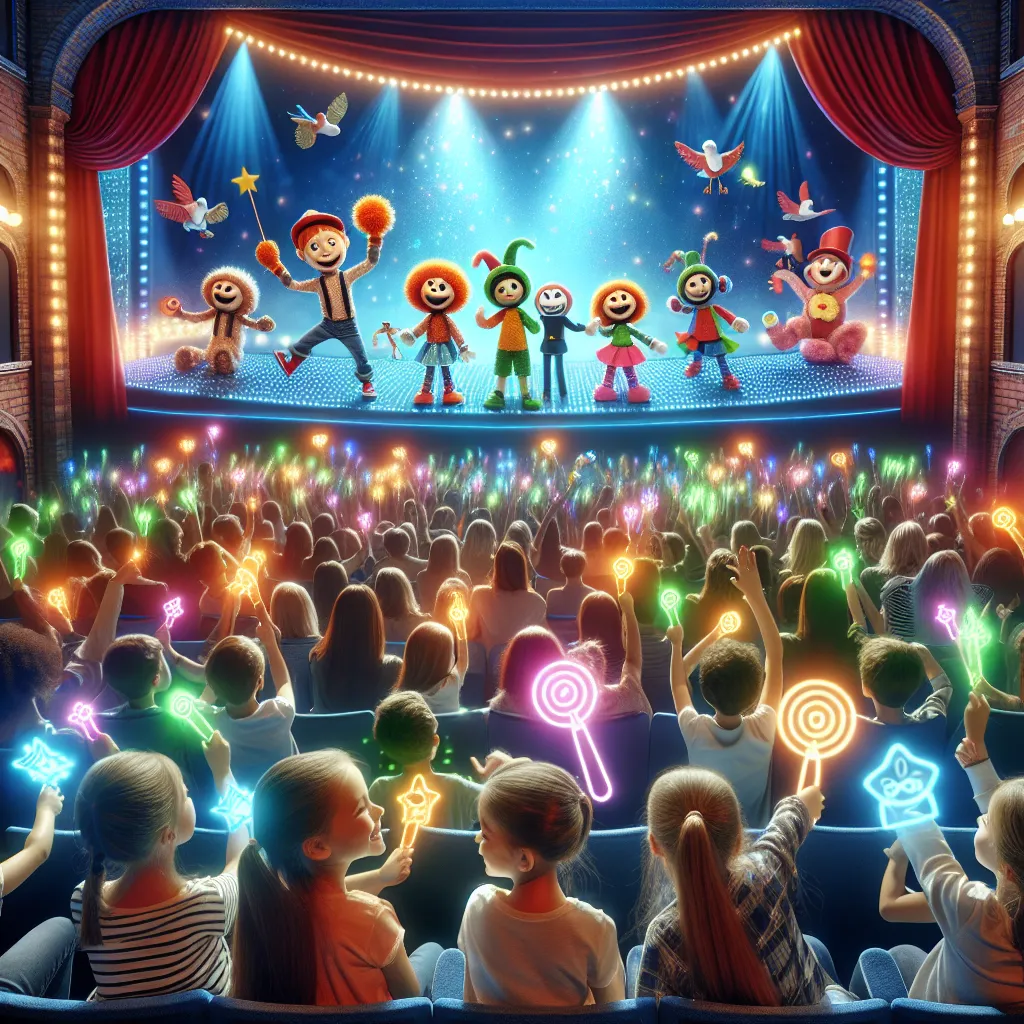
Description
No additional description provided.
The Pitch
The landscape of children's theater faces a unique challenge. It’s not the quality of the content that’s in question, but the ability to capture and maintain the fleeting attention of young audiences. Children often find it difficult to sit still during performances, leading to lost interest and restless behavior. Simultaneously, parents can feel the weight of a ticking clock, hoping for a brief respite while their kids are entertained.
The Challenge: The primary issue within children's theater isn’t the lack of engaging stories or talented performers. Instead, it's about holding the attention of young theater-goers in an era dominated by instant digital gratification. Traditional performances can struggle to meet the expectations of an audience used to interactive content. This means theaters face difficulties in ensuring repeat attendance and fully satisfying family experiences.
The Solution: The solution lies in transforming passive theater viewing into an active, participatory experience. By integrating synchronized audience interaction through light-up props, call-and-response elements, and simple physical actions, performances can turn into dynamic events. This approach engages children and provides parents with a much-needed moment of peace.
Product Details: Imagine a theater experience where each ticket purchase includes an interactive kit. This kit might feature a character plush equipped with light-up features, signaling kids to engage at specific points during the show. It includes:
1. Light-Up Props: Plush toys or wristbands that illuminate in coordination with key moments of the performance. 2. Call-and-Response Cues: Pre-scripted prompts encouraging children to shout out or perform simple actions in sync with the storyline. 3. Physical Activity Prompts: Guided activities that allow children to become part of the scene, whether it’s mimicking actions or participating in collective movements.
Tools for MVP Launch: Launching this concept as a Minimum Viable Product (MVP) would involve leveraging existing technology: - Concert wristbands equipped with LED lights and basic sensors. - Basic coding platforms for scripting interactions between the performance and the audience devices. - Simple app development to allow control over these devices during shows, giving theater runner tools to customize the experience.
Go-To-Market Strategy: 1. Begin with Partnerships: Collaborate with small theaters and touring groups to pilot the product in real settings. 2. Test and Iterate: Use initial performances to gather feedback. Make necessary adjustments to improve engagement and ensure ease of use. 3. Broader Launch: Once validated, expand to other theaters and integrate into their marketing campaigns. Highlight the unique offering of interactive experience kits in promotional materials.
Business Model: - Bundled Ticket Sales: Offer interactive kits as part of an enhanced ticket option, providing added value and justifying higher prices. - Subscription Model for Theaters: Develop a subscription package for theaters, offering kits on a recurring delivery basis aligned with their performance schedules. - Licensing Opportunities: Licensing the technology and concept to larger performance venues and expanding the concept to other live performance avenues, such as schools or community events.
Implementing this interactive framework into children’s theater not only addresses current challenges but also sets new standards in live entertainment for young audiences, ensuring lasting engagement and improved experiences for both children and parents.