Interactive Noise Meter for Kids' Quiet Behavior
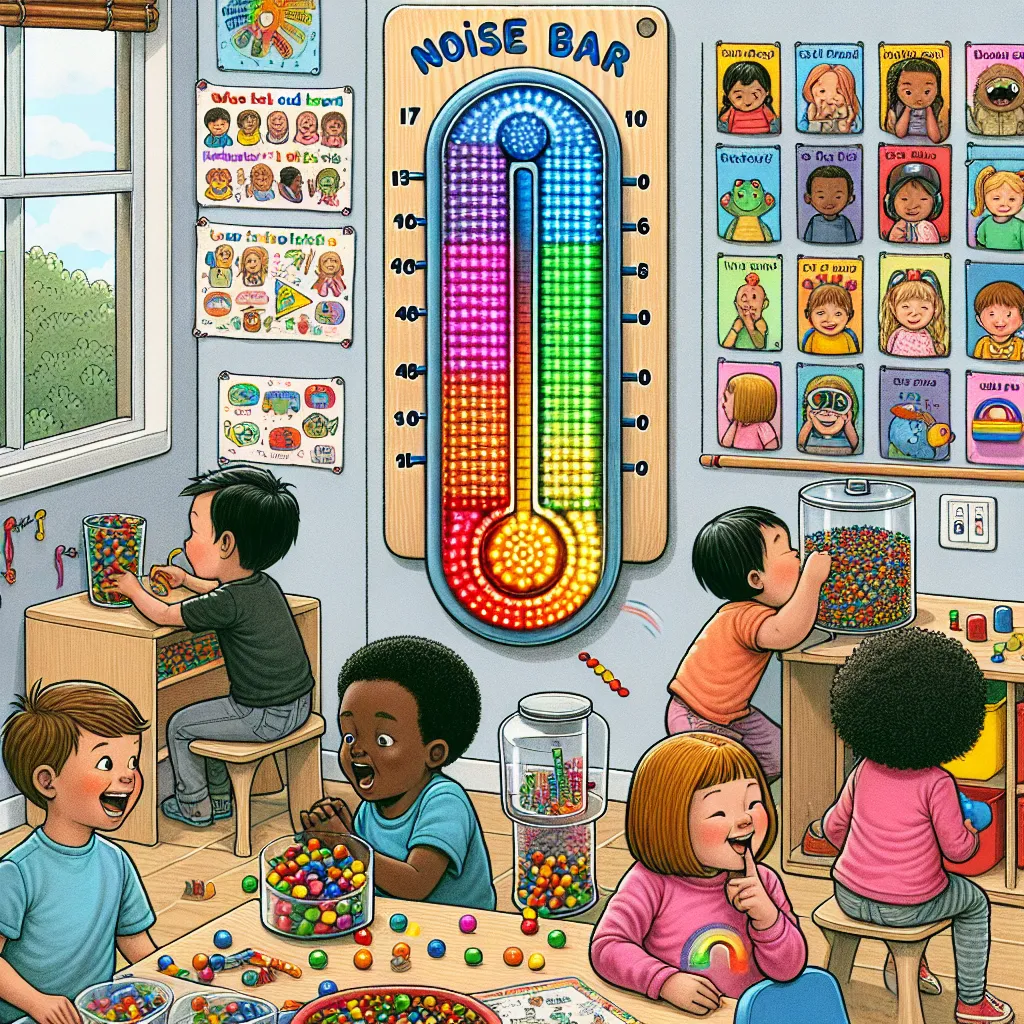
Parents and teachers constantly battle noise levels, especially with kids who don’t realize how loud they are. A wall-mounted or mobile decibel meter visualizes current noise levels like a thermometer, gamifying quiet behavior with rewards or playful consequences. As sensors and LEDs become cheaper and more connected, homes and classrooms can now afford smart environmental feedback. A kindergarten class might have a "noise bar" that drops Skittles into a reward jar for quiet cooperation—or blinks red when volume spikes—making abstract expectations concrete and measurable.
Description
No additional description provided.
The Pitch
In many educational and home settings, maintaining an acceptable noise level is a persistent challenge. Children often struggle to understand the impact of their volume, and traditional methods of maintaining quietness can be ineffective and frustrating for both adults and children. The introduction of a visual and interactive tool can transform how noise levels are managed, providing a tangible method of communication and engagement for children.
Problem Statement
Noise management in places like kindergartens, primary schools, and even homes can be difficult. Children often have little awareness of how loud they are, and constant verbal reminders can lead to tension and reduced effectiveness over time. Teachers and parents need a way to maintain a conducive environment for learning and relaxation without constant direct intervention, which can be both mentally and physically exhausting.
Proposed Solution
The solution is a wall-mounted or mobile noise management system that uses decibel meters to accurately gauge ambient noise levels. This system can visualize real-time noise data through engaging visual indicators—a concept similar to a thermometer showing temperature. The system allows children to see the effect of their noise level, promoting quieter behavior through gamification and immediate feedback.
Product Details
1. **Hardware Components** - Decibel Meter: Accurately measures noise levels in various environments. - LED Display: Provides visual feedback on the current noise level with color-coded indicators (e.g., green for acceptable levels, yellow for caution, and red for high levels). - Reward Dispenser (optional): Dispenses small rewards, such as Skittles, when noise levels remain within a desired range for a certain period.
2. **Software and Connectivity** - User Interface: Allows customization of noise thresholds and feedback patterns via a user-friendly app. - Data Logging: Tracks noise trends over time, providing insights through a connected app. - Connectivity: Integrates with wi-fi for easy updates and potential integration with other smart home/classroom systems.
3. **Interactive Features** - Gamification: Encourages quiet behavior with rewards, such as dropping a token for achieving noise level goals or playful consequences, like a light display or sound effect when noise exceeds limits. - Real-Time Feedback: Immediate visual and auditory feedback ensures children recognize the effects of their actions.
Tools for Development and Launch
1. **Prototyping Tools** - Arduino or Raspberry Pi for initial hardware development. - Basic sensors and LED components available from electronics suppliers for creating MVP models.
2. **Software Development Tools** - Platforms like Blynk or IFTTT for developing the app interface and connectivity features. - Data analytics tools for noise trend analysis.
3. **Manufacturing and Supply Chain** - Identify local and international suppliers for mass production of components. - Establish logistics for packaging and distribution.
Go-to-Market Strategy
1. **Target Market** - Primary focus on kindergartens and early education providers. - Secondary market includes parents and caregivers in domestic environments.
2. **Marketing Channels** - Partner with educational institutions to pilot the product. - Digital marketing campaigns targeting parents and educators through social media and educational forums. - Collaborations with child development specialists to highlight educational benefits.
3. **Sales Strategy** - Online direct-to-consumer sales through e-commerce platforms. - Partnerships with educational supply distributors for wider reach in institutional markets.
Business Model
1. **Revenue Streams** - Product Sales: One-time purchase of the noise management system. - Subscription Model: Premium app features offering advanced analytics and integration capabilities on a monthly or yearly basis. - Maintenance and Support Services: Offering after-sales support and maintenance packages.
2. **Pricing Strategy** - Competitive pricing for hardware to encourage widespread adoption. - Tiered pricing for app subscriptions based on feature access and user needs.
Conclusion
The Interactive Noise Management System offers a comprehensive solution to a common problem faced by educators and parents. By leveraging modern technology, it provides a fun and effective way to manage noise levels, improve cooperation, and enhance learning or relaxing environments. Through strategic development and marketing efforts, this product has the potential to become an essential tool in educational settings and homes alike.