Interactive Language Learning Through Shortform Videos
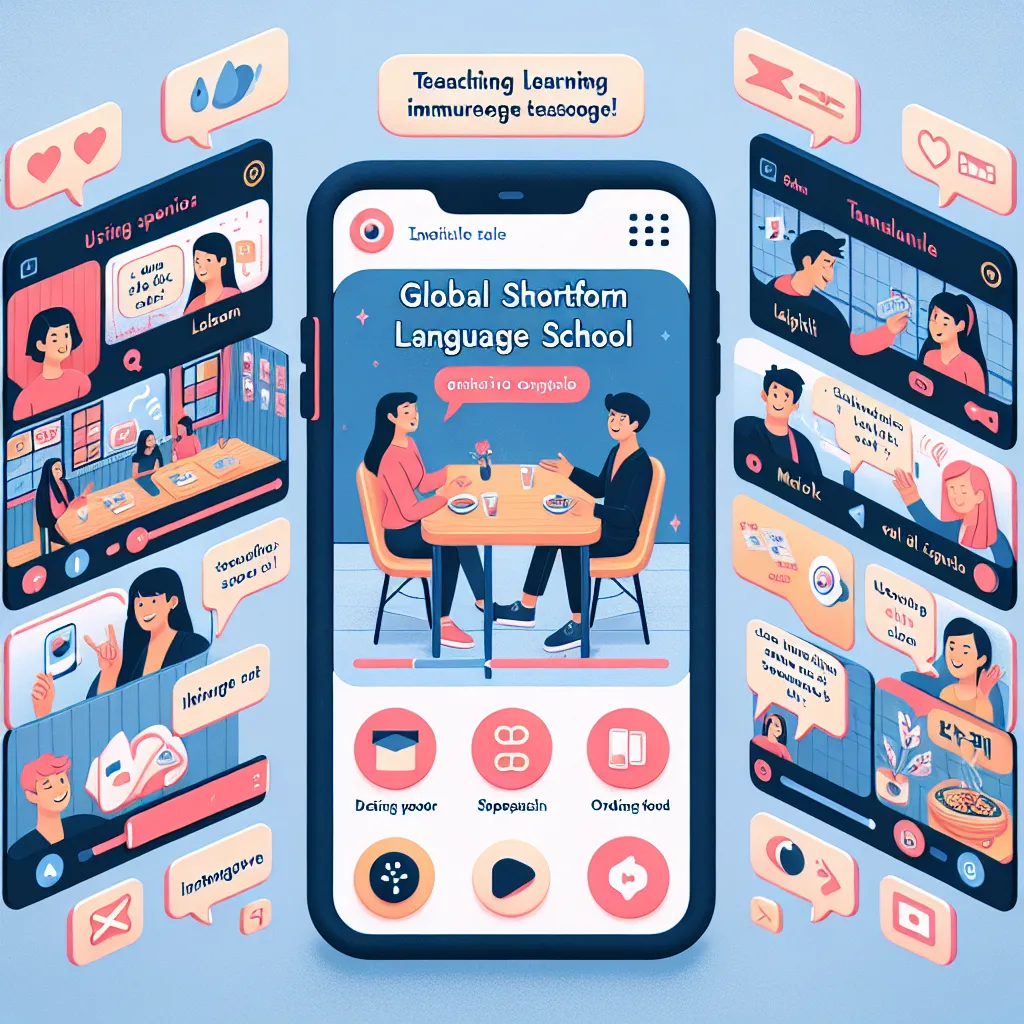
Learning a new language can feel slow, boring, and disconnected from how people actually speak. Traditional apps focus on vocabulary drills or grammar, but don’t capture the real-life context or cadence of a native speaker. That’s why an app like TEUIDA, which teaches Korean through interactive shortform videos, stands out — it mimics real conversation, keeps you engaged, and actually feels fun. Imagine a “TikTok for language learning” where you watch and respond to quick, immersive clips from native speakers across different scenarios — dating, ordering food, job interviews — and practice speaking back in real time. It’s bite-sized, social, and conversational. TEUIDA nails this for Korean, but where’s the version for Spanish? Mandarin? French? In a world where attention spans are short and content is king, someone needs to build this — the global shortform language school that feels more like entertainment than education.
Description
No additional description provided.
The Pitch
The traditional methods of learning a new language often feel tedious and out of sync with how languages are actually used in real life. Many language learning platforms emphasize rote memorization of vocabulary or rigid grammatical exercises. However, they often fail to capture the dynamic and conversational nature of real-world language usage.
The gap becomes evident when users realize that knowing words and rules in isolation doesn't prepare them for the quick-paced and context-rich environment of real conversations. This disconnect leaves learners feeling unprepared and can lead to a decline in motivation.
A potential solution lies in reimagining language learning as an engaging, immersive experience that mirrors platforms like TikTok. An app could be designed to teach languages through interactive short-form videos, creating a bridge between learning and entertainment. This approach would immerse learners in everyday scenarios, such as ordering food, having casual conversations, or navigating workplace interactions, all led by native speakers.
The app would function by allowing users to watch short, context-rich video clips and then respond to prompts in real time, simulating authentic conversational exchanges. This method not only enhances language comprehension but also aids in building confidence and fluency.
For product details, the app would feature a variety of languages beyond Korean—such as Spanish, Mandarin, and French—each with a tailored set of video scenarios relevant to that culture. The design would be sleek, user-friendly, and optimized for mobile use, catering to on-the-go learning.
To facilitate the launch of this as a Minimum Viable Product (MVP), using tools like React Native for cross-platform mobile app development could be advantageous. A video hosting platform like AWS for streaming high-quality video content, and a speech recognition API to provide real-time feedback, would also be essential components.
The Go-To-Market (GTM) strategy would focus on leveraging social media platforms to showcase testimonials and engaging snippets of the app in use. Partnering with language influencers who already have established audiences could accelerate user adoption. A freemium model, where basic content is available for free and advanced features come at a premium, could attract initial users while providing a clear path to monetization.
The business model would revolve around both subscription plans for individual users and enterprise packages for schools and corporate training programs. Language enthusiasts and institutions alike can find value in an app that combines the essential elements of language learning with the interactive, visual appeal of modern digital platforms.
In a world where attention is scarce and learning is increasingly digital, this app promises a novel approach to language learning, transforming it from a chore into a vibrant, community-driven endeavor.