Interactive Driving Simulator for Kids in Cars
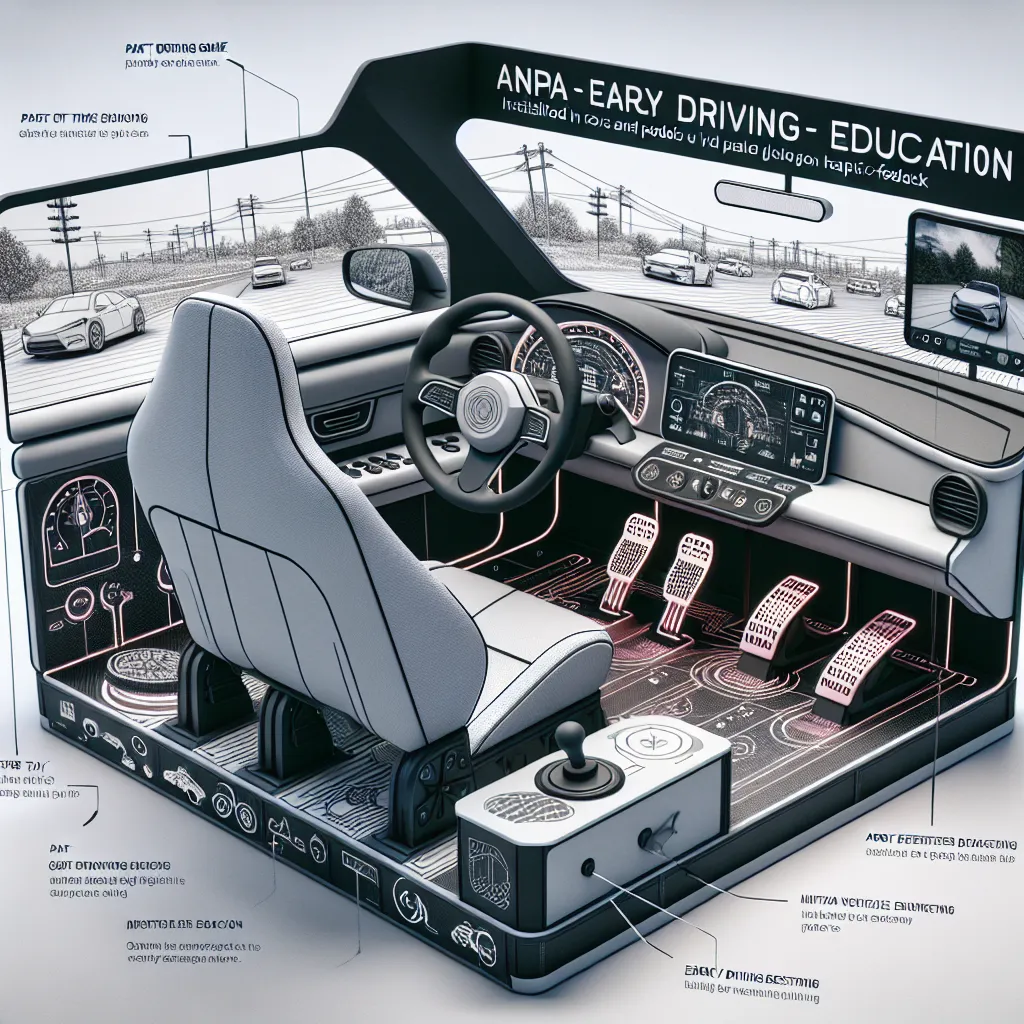
A haptic-feedback driving simulator for kids, mounted in the backseat of a real car and synced to the vehicle’s motion via OBD2. As the car moves, the toy steering wheel and pedals replicate real-time inputs from the driver, teaching children how a car “feels” in motion. Optionally, a screen shows a simulated windshield view. It gamifies driving education, scores the kid on accuracy, and helps them internalize how acceleration, braking, and steering work—years before they get behind the wheel. It’s part toy, part pre-driver training, and part digital babysitter.
Description
No additional description provided.
The Pitch
In an age where technology is blending seamlessly into aspects of daily life, teaching the next generation skills that are both engaging and educational is crucial. Driving is one such essential skill, yet introducing children to the feeling of being behind the wheel has always been challenging. Enter the haptic-feedback driving simulator for kids—a groundbreaking solution that blends fun with foundational driver education.
Backstory
Today's parents are constantly seeking enriching experiences for their children, especially those that seamlessly combine learning with entertainment. With the increasing amount of time families spend on the road, the backseat of a car presents a unique opportunity for immersive learning. Recognizing this potential, the idea for a haptic-feedback driving simulator for kids was born—a concept that envisions transforming car rides into interactive educational sessions. By capitalizing on technology already in the car, this concept aims to introduce children to driving dynamics long before they're ready for a driver's license.
The Problem
For many years, the first experiences students have with driving are in high-stress environments, often resulting in anxiety and slower learning. Currently, there is a significant gap in the tools available for young children to familiarize themselves with the concept and sensations of driving. Conventional video games or simulators don't accurately replicate the physical feedback of driving, and parental guidance can often come too late. This absence of early exposure can delay skill acquisition and confidence-building.
The Solution
The haptic-feedback driving simulator for kids addresses the identified problem by bringing a miniaturized, safe version of real-world driving into the child's play space, leveraging the motion of a moving vehicle for a realistic experience. As the car travels, the simulator replicates real-time steering and pedal feedback, allowing children to internalize how acceleration, braking, and steering feel in a controlled, gamified environment.
Product Details
1. Functionality - A toy-sized steering wheel and pedals are equipped with haptic sensors. - Integrated with the car's motion through OBD2 syncing for real-time feedback. - An optional screen providing simulated windshield views for enhanced realism. - Gamifies the learning experience with scores based on accuracy and responsiveness.
2. Design - Portable and mountable on backseat setups for car journeys. - Safe, with soft materials ensuring no harm during sudden stops.
3. Educational Value - Provides early education on driving physics and mechanics. - Encourages cognitive development and hand-eye coordination in young children.
Tools for MVP Launch
1. Product Development - Use Arduino or Raspberry Pi for prototyping the haptic feedback mechanism. - Leverage open-source OBD2 libraries for integration with car systems. - Unity or Unreal Engine for developing simulated game views and scenarios.
2. Testing and Iteration - Conduct focus groups with parents and children for iterative feedback. - Partner with educational psychologists to refine the usability and learning outcomes.
3. Manufacturing - Identify manufacturers specializing in toy production with electronic components. - Establish quality assurance protocols to ensure safety standards are met.
GTM Strategy
1. Consumer Awareness - Engage in partnerships with parenting influencers and family-oriented YouTube channels. - Create engaging video content demonstrating real-life use cases and benefits.
2. Distribution Channels - Launch on online platforms like Amazon and specialty educational toy stores. - Explore collaborations with car manufacturers for co-branded promotional opportunities.
3. Pilot Programs - Implement pilot programs in collaboration with driving schools to market the product as a pre-driver education tool.
Business Model
The business model centers around a direct-to-consumer approach with an eye on expansion into educational institutions. Initial sales will focus on the consumer market, with parents purchasing the product for educational and entertainment value. Subscription-based updates could be introduced, delivering new driving scenarios or difficulties to ensure continued engagement. Additionally, enterprise sales points could include partnerships with schools and driving institutions for bulk purchases, potentially subsidized by educational grants.
Conclusion
This innovative haptic-feedback driving simulator not only fills an educational gap but also turns mundane car rides into valuable learning opportunities. Early exposure to driving principles can lead to more confident and capable drivers of the future, while simultaneously providing peace of mind to parents seeking enriching activities for their children.