Interactive AR Kitchen Counter for Seamless Cooking
Most kitchen tech interrupts the cooking flow—smudgy iPads, poorly timed timers, and recipe juggling. The AR Kitchen Counter proposes a mounted Kinect-style projector and camera system that turns your countertop into a smart, interactive workspace. It projects recipe steps, portion guides, and prep zones directly onto your surfaces, recognizing gestures and ingredient placement. This hands-free interface is ideal when your hands are messy or multitasking. It gamifies cooking and teaches better habits, like mise en place and portioning. For example, a beginner chef sees exactly where to place chopped onions, gets visual timers, and receives real-time feedback—making cooking more joyful and less error-prone.
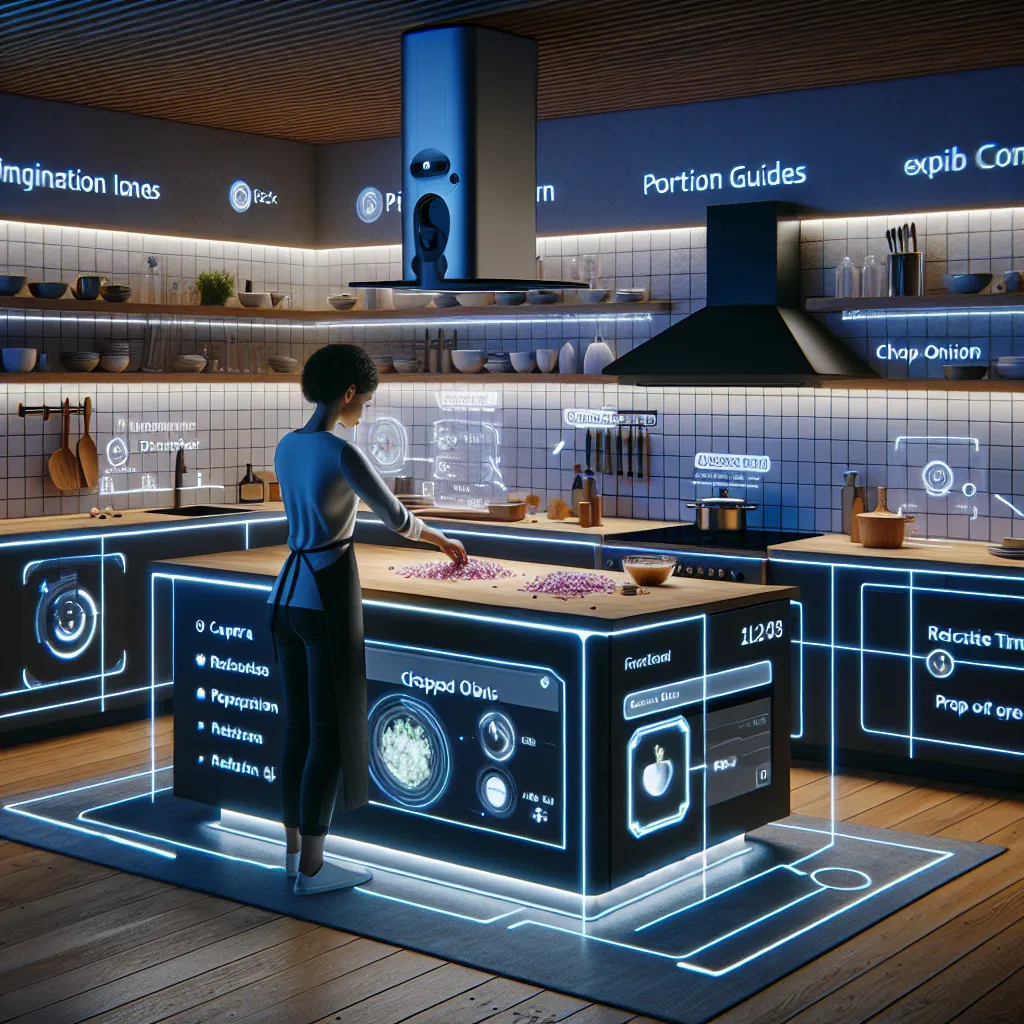
Description
No additional description provided.
The Pitch
For the home chef, cooking can often feel like a juggling act. Navigating recipes on smudgy screens, managing poorly timed alarms, and handling complex instructions can detract from the joy of creating a meal. Enter the AR Kitchen Counter—a cutting-edge solution designed to eliminate these frustrations and transform the home cooking experience into something more seamless and enjoyable.
Backstory:
The inspiration for the AR Kitchen Counter emerged from observing how technology has infiltrated every aspect of our lives, yet the kitchen remains largely unchanged. Many people wish to improve their cooking skills but are held back by the chaotic dynamics of managing recipes and kitchen tools simultaneously. The idea was to blend the tactile and visual elements of cooking with digital assistance to create a more intuitive, immersive, and educational experience.
Problem:
The primary issues that the AR Kitchen Counter seeks to address include:
1. Difficulty managing recipes while cooking, leading to frequent missteps. 2. The challenge of maintaining clean, accessible tech in messy kitchen environments. 3. Limited space in kitchens making it hard to stage ingredients efficiently. 4. Lack of guidance and real-time feedback for novice cooks, causing frustration and discouragement.
Solution:
The AR Kitchen Counter offers a hands-free, interactive cooking station that simplifies the culinary process by projecting useful visual aids directly onto the kitchen workspace. It utilizes a Kinect-style projector and camera system to deliver essential cooking information without the need for physical interaction. This system is particularly advantageous when hands are messy or when multitasking is necessary, allowing cooks to focus more on the art of cooking rather than the logistics.
Product Details:
1. Interactive Projections: Displays recipe steps, portion guides, and prep zones onto the countertop for easy access.
2. Gesture Recognition: Utilizes camera technology to recognize hand gestures, facilitating smooth navigation through recipes and cooking tasks without touch.
3. Real-Time Feedback: Provides immediate coaching and corrections for tasks such as chopping techniques, ingredient placement, and timing, helping users refine and perfect their cooking skills.
4. Educational Features: Gamifies the cooking experience and inculcates better kitchen habits, like proper mise en place and portion control, making the cooking process as educational as it is enjoyable.
Tools for Launching Minimum Viable Product (MVP):
1. Prototyping Software: Use tools like Sketch or Figma for designing the user interface and user experience.
2. Hardware Development Kits: Leverage platforms such as Arduino or Raspberry Pi for creating the initial hardware prototype.
3. Augmented Reality SDKs: Utilize AR development kits like Vuforia or ARKit for developing the projection and gesture-recognition features.
4. Cloud Services: Employ platforms like AWS or Azure for real-time data processing and storage.
Go-To-Market (GTM) Strategy:
1. Partnerships with Kitchenware Brands: Collaborate with established kitchenware companies to co-brand and distribute the product.
2. Influencer Engagement: Recruit popular cooking influencers and bloggers to showcase the product's benefits to a wide audience.
3. Direct to Consumer (DTC) Online Store: Launch an e-commerce platform to sell directly to customers, coupled with targeted online advertising campaigns.
4. Cooking School Collaborations: Partner with cooking schools to incorporate the product in their courses, serving as both a marketing tool and an educational aid.
Business Model:
1. Product Sales: Primary revenue through direct sales of the AR Kitchen Counter units.
2. Subscription Model: Offer a subscription for additional premium content, such as exclusive recipes, advanced cooking tutorials, and personalized recommendations.
3. Licensing: License the technology to other cookware manufacturers or smart kitchen appliance brands.
Conclusion:
The AR Kitchen Counter is positioned to revolutionize home cooking by merging technology with culinary arts in a way that is intuitive, educational, and enjoyable. By focusing on eliminating common kitchen frustrations and enhancing the overall cooking experience, this innovative solution promises to make cooking accessible and fun for everyone, from novice home cooks to seasoned chefs.