Interactive AR Holograms Transform Public Spaces
Current edutainment content is confined to screens. A new platform could enable brands to project AR holograms in public spaces — no headsets required — where people can interact directly using their phones. These pop-up holograms would turn cities into real-world classrooms or adventures tied to social campaigns. As edutainment and creative disruption trends rise, this would let brands blend physical and digital experiences. For example, a wellness brand could host holographic yoga instructors in parks across cities, encouraging on-the-spot participation, social sharing, and deeper brand engagement.
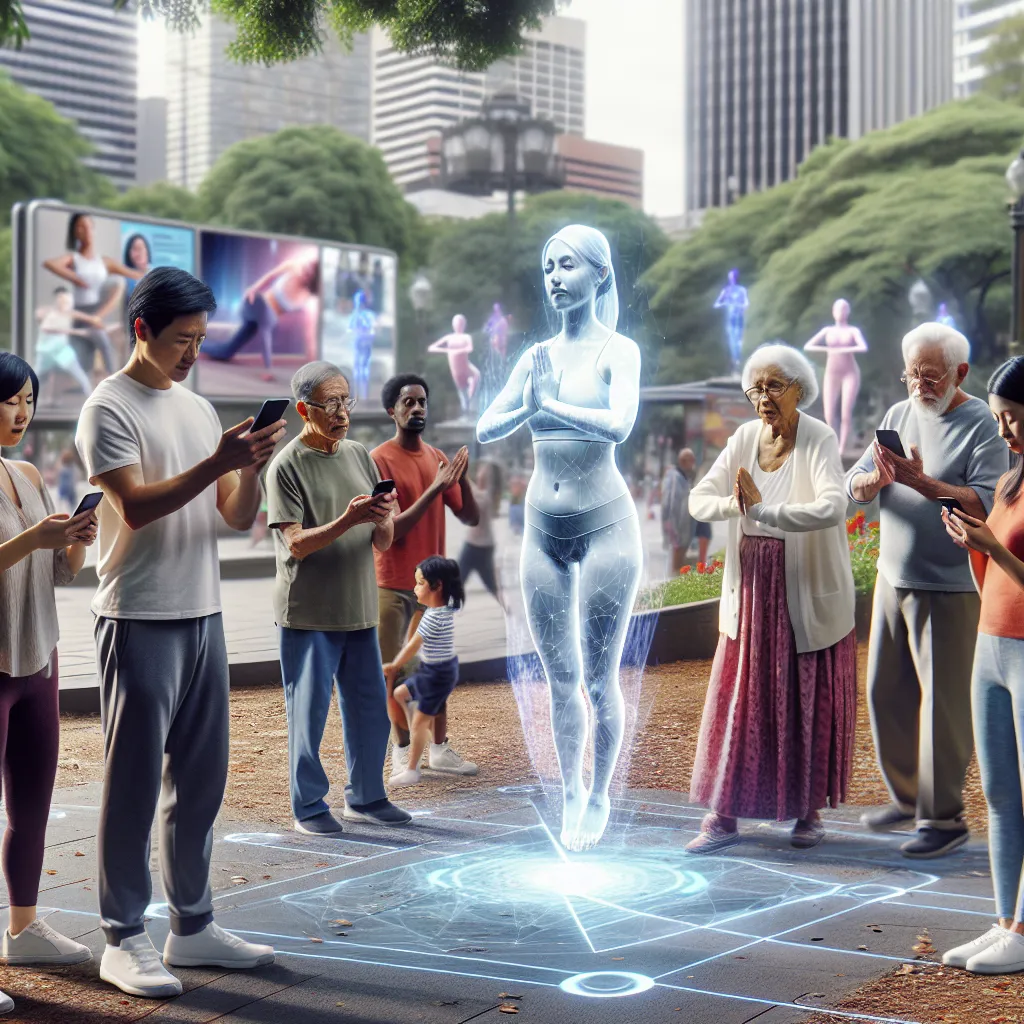
Description
No additional description provided.
The Pitch
The world of edutainment is rapidly evolving, driven by the increasing demand for interactive and immersive experiences. Traditional edutainment content, however, remains largely restricted to screens, limiting opportunities for real-world engagement. With emerging augmented reality technologies, there is an exciting opportunity to transform public spaces into dynamic learning environments. Imagine a platform that enables brands to project AR holograms in public areas, eliminating the need for headsets and allowing individuals to interact with captivating content directly through their smartphones. This concept has the potential to revolutionize cities by turning them into real-world classrooms or adventure zones that support social campaigns and community initiatives.
**Identifying the Problem**
Despite technological advancements, edutainment content remains predominantly screen-based, confining experiences to virtual environments. This limitation affects user engagement and restricts the potential reach of educational and brand-focused content. Additionally, the use of AR headsets can be a barrier to entry due to cost and accessibility concerns. There is a pressing need for a more inclusive solution that bridges the digital-physical gap, enabling active participation without the constraints of additional hardware.
**Proposed Solution**
The proposed solution is a platform that allows brands to deploy AR holograms in public spaces, creating interactive experiences that users can engage with via their smartphones. This approach eliminates the need for AR headsets, making the technology accessible to a broader audience. By leveraging the rapidly growing capabilities of mobile AR, this platform will allow users to explore educational content and participate in brand experiences organically while moving through their daily environments.
**Product Details and Features**
- **Holographic Projection Technology**: Utilizes advanced AR algorithms to project high-quality holograms in designated public spaces, visible through smartphone cameras. - **Interactive Engagement**: Allows users to interact with holograms through their smartphones, facilitating activities such as participating in quizzes, exploring 3D models, or sharing experiences on social media. - **Content Customization and Branding**: Enables brands to tailor holographic content that supports marketing campaigns, educational initiatives, or community engagement. - **Location-Based Activation**: Utilizes geo-location technology to trigger AR experiences in specific areas, encouraging exploration and sustained engagement. - **Analytics and Insights**: Provides brands with real-time analytics on user interaction, engagement metrics, and demographic data to refine content strategy.
**Tools for MVP Development**
- **AR Development Kit**: Utilize platforms like ARKit (for iOS) or ARCore (for Android) to create the initial holographic display features. - **App Development Frameworks**: Employ frameworks such as Unity or Unreal Engine to design immersive interfaces and manage content delivery efficiently. - **Cloud Services**: Leverage cloud solutions like AWS or Google Cloud for scalable storage and real-time data processing.
**Go-To-Market Strategy**
- **Target Market Identification**: Focus on brands in sectors like education, wellness, tourism, and retail, targeting those inclined towards innovative marketing and customer engagement solutions. - **Partnership Development**: Establish strategic partnerships with municipal authorities and venue operators to secure prime locations for AR installations. - **Pilot Launch**: Initiate a pilot program in select cities with participating brands, collecting user feedback and performance metrics for continuous improvement. - **Social Media Campaigns**: Leverage social media influencers and content creators to amplify awareness and drive traffic to AR experiences. - **Community Engagement**: Host launch events and workshops in collaboration with local communities to foster adoption and generate buzz.
**Business Model**
- **Subscription for Brands**: Offer a subscription model for brands to access the platform, customize content, and deploy holograms across different locations. - **Pay-Per-Use for Events**: Provide pay-per-use pricing for special events or temporary installations, enabling brands to engage with audiences during specific campaigns. - **Freemium Tier for Not-for-Profits**: Provide a free tier with limited features for educational institutions and non-profit organizations to encourage usage without financial barriers.
In conclusion, this pioneering AR hologram platform aims to redefine how brands and communities interact with edutainment content, bridging the gap between digital and physical worlds. Through strategic implementation and continuous evolution, this platform has the potential to set a new standard in immersive experiences, ultimately transforming urban landscapes into vibrant stages of learning and engagement.