Interactive 3D Training Simulations for Critical Fields
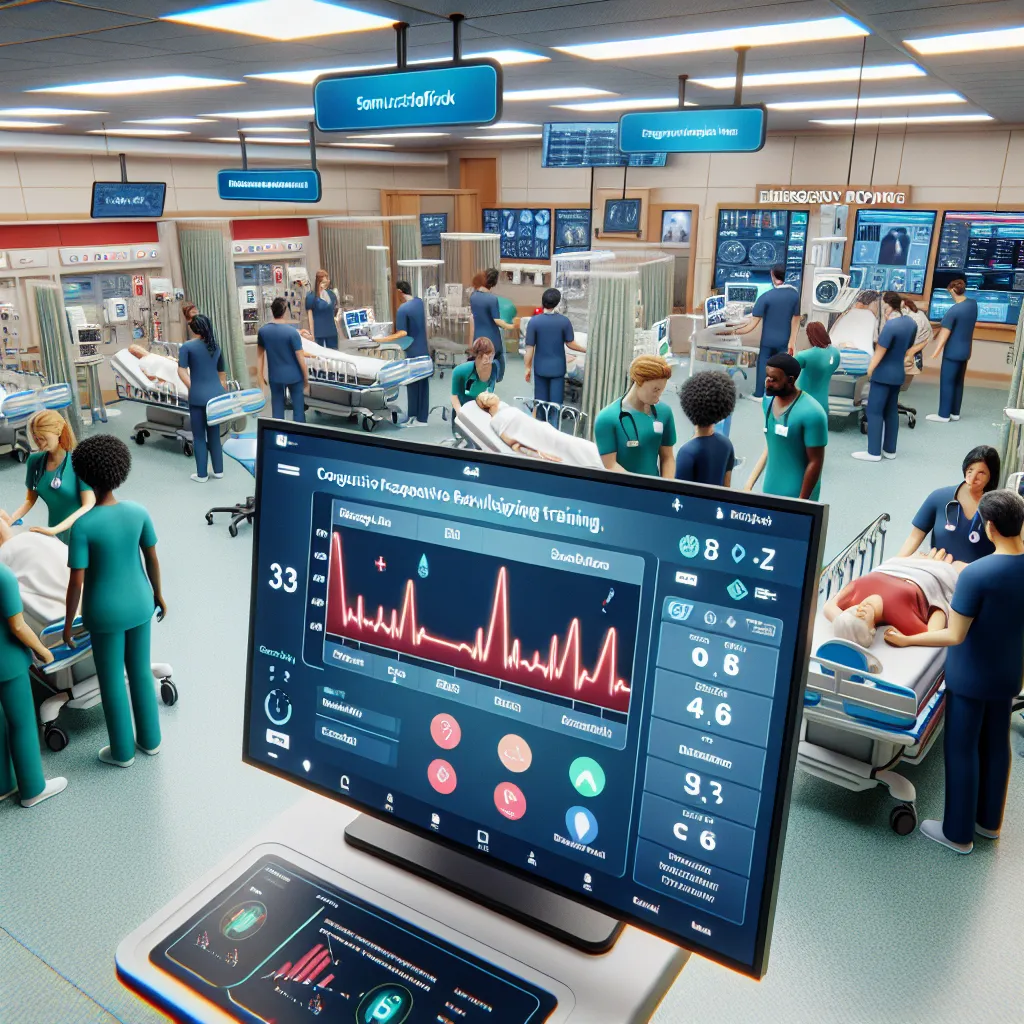
Employee training is often boring and ineffective. This is a bigger problem in fields like healthcare or aviation, where mistakes are costly. This startup would create interactive 3D training simulations—think “Sims for your job”—that adapt to a user’s behavior, provide feedback, and generate useful data. Example: A hospital uses it to train nurses on how to respond to emergencies in a realistic but virtual ER.
Description
No additional description provided.
The Pitch
In critical sectors such as healthcare and aviation, mistakes can have grave implications. Despite this, traditional employee training methods often fall short of engaging and adequately preparing personnel for real-world scenarios. This document outlines an innovative solution that leverages technology to create immersive, interactive 3D training simulations, fundamentally transforming how employees learn and respond to work-related challenges.
Backstory: Organizations across various industries have long struggled with the inefficiencies of conventional training methods. Classroom-based learning and passive video lectures often fail to capture the attention of employees or provide practical, on-the-job insights. In high-stakes environments like hospitals or airports, this gap in effective training can contribute to critical errors, customer dissatisfaction, or even loss of life. With advancements in technology, there is a growing opportunity to enhance training methodologies and ensure employees are better prepared for their roles.
Problem: The core issues with traditional training methods include:
1. Lack of Engagement: Training sessions are often passive, leading to decreased employee engagement and retention of information. 2. Inflexibility: One-size-fits-all training does not cater to the varied pace and style of individual learners. 3. Inadequate Realism: Employees do not have sufficient opportunities to practice skills in realistic scenarios, leaving them unprepared for real-world application. 4. Limited Feedback: Traditional methods do not provide immediate, personalized feedback based on the learner's actions.
Solution: The proposed solution is a cutting-edge platform offering 3D interactive training simulations. The simulations are designed to adapt dynamically to the user's behavior, providing immediate feedback and generating valuable data to tailor future learning experiences. This immersive training environment replicates real-world scenarios, such as emergency room operations for healthcare workers or cockpit management for pilots, enabling employees to practice critical skills in a risk-free, virtual space.
Product Details: 1. Interactive Scenarios: Users navigate through job-specific challenges in a fully interactive 3D environment. 2. Adaptive Learning Paths: The platform adjusts scenarios based on user performance to personalize the learning experience. 3. Real-Time Feedback: Users receive instant feedback and corrective guidance, enhancing skill acquisition and retention. 4. Performance Analytics: Detailed reporting and analytics offer insights into user performance and training effectiveness.
Tools for MVP Launch: - Unity or Unreal Engine: To develop high-quality, realistic 3D simulations. - VR Headsets and Peripheral Devices: For creating immersive and interactive experiences. - AI and Machine Learning Algorithms: To tailor the simulations based on user data and feedback. - Feedback and Analytics Software: To track, analyze, and report user performance.
Go-to-Market (GTM) Strategy: 1. Target Industries: Initially focus on high-stakes sectors such as healthcare, aviation, and manufacturing where the need and impact are greatest. 2. Build Partnerships: Collaborate with industry leaders and educational institutions to develop scenario-specific simulations. 3. Pilot Programs: Launch pilot programs within targeted organizations to demonstrate effectiveness and gather feedback. 4. Marketing and Branding: Utilize case studies, webinars, and industry conferences to showcase success stories and product benefits. 5. Pricing Model: Consider a subscription-based model, offering different tiers based on the number of users and specific features required.
Business Model: The business model will primarily be subscription-based, with organizations paying an annual fee for access to the platform. There will be different pricing tiers based on the number of employees, industry-specific scenarios, and additional features such as dedicated support and integration with existing training modules.
By addressing the limitations of traditional training methods and capitalizing on technological advancements, this venture seeks to redefine employee training dynamics across industries, ultimately contributing to better-prepared employees and safer work environments.