Intelligent Fulfillment Platform for Instant Agent Orders
Agents can order instantly, but fulfillment is still slow, manual, and fragmented. The missing piece is an automated logistics layer that talks back to the agent economy. A startup could act as a universal fulfillment API, allowing agents to check real-time inventory, negotiate shipping options, and confirm delivery directly through conversation. It bridges digital intent and physical logistics. With PayPal handling payment, this company would handle delivery trust. Picture LoopChain, an AI-native supply chain coordinator that routes agentic orders to verified warehouses, updates shipping status through APIs, and even optimizes carrier selection — making fulfillment feel as smart and instant as the purchase itself.
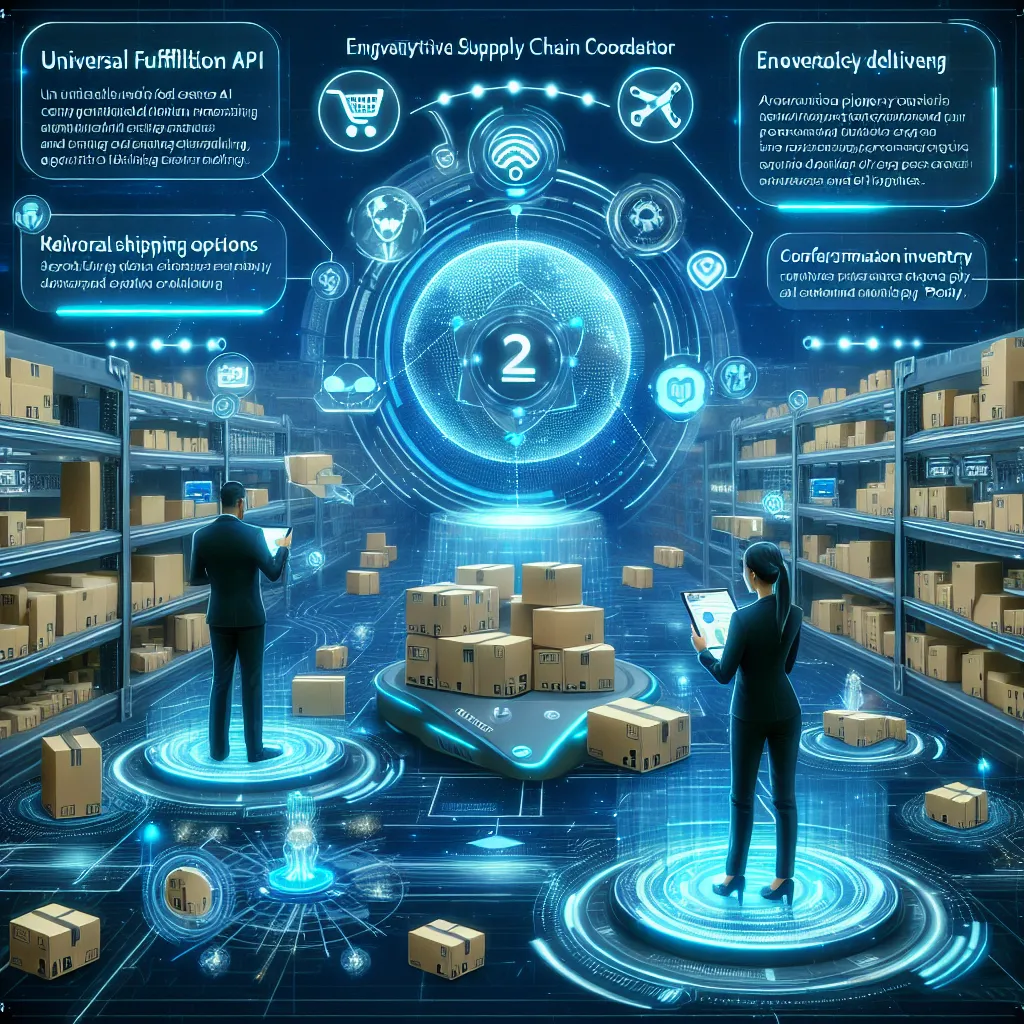
Description
No additional description provided.
The Pitch
In the rapidly evolving landscape of digital commerce, the agent-driven economy is gaining prominence, characterized by automated agents capable of making purchasing decisions and placing orders. However, a significant challenge persists: the fulfillment process remains sluggish, fragmented, and manual, which undermines the seamless experience that digital transactions promise. This document explores an opportunity for entrepreneurs to create a solution that bridges the gap between digital intent and physical logistics. By providing an automated logistics layer that communicates directly with agent-driven systems, this initiative aims to transform the way orders are fulfilled.
The Problem
In the current agent-driven economy, while ordering and transaction capabilities may be instant, the fulfillment process is encumbered by several issues:
1. Lack of synchronization between digital orders and physical fulfillment. 2. Manual processes that slow down the fulfillment timeline. 3. Fragmented logistics that result in inconsistent delivery experiences. 4. Limited ability for agents to interact with logistics providers in real-time.
These challenges hinder the efficiency of agent-driven transactions and fail to meet the expectations of immediacy that define the digital economy.
The Solution
To resolve these challenges, the proposed solution is an AI-powered logistics platform that serves as a universal fulfillment API. This platform will:
1. Allow agent systems to interact directly with logistics providers. 2. Enable real-time inventory checks, shipping option negotiation, and delivery confirmation through conversational interfaces. 3. Update shipping statuses dynamically through APIs. 4. Optimize carrier selection and routing for enhanced efficiency.
By automating logistics interactions, the platform ensures that the fulfillment process is as seamless and instantaneous as the transaction itself, effectively closing the gap in the agent economy.
Product Details
Named LoopChain, this AI-native supply chain coordinator will:
- Provide APIs that integrate with agent systems, creating a real-time logistics network. - Leverage AI to optimize carrier selection based on cost, speed, and reliability. - Facilitate dynamic inventory management by obtaining real-time data from partner warehouses. - Enable end-to-end tracking and communication for both agents and end consumers. - Utilize secure payment platforms like PayPal to manage transactions, ensuring trust and reliability.
Tools for MVP Launch
1. Use existing cloud platforms like AWS or Google Cloud for scalable infrastructure. 2. Implement machine learning models with frameworks like TensorFlow or PyTorch to optimize logistics. 3. Develop APIs using RESTful or GraphQL services to ensure seamless integration. 4. Deploy real-time communication via WebSockets or MQTT for instant updates and interactions.
Go-To-Market Strategy
1. Identify and partner with agent-based companies and digital marketplaces for initial integration. 2. Develop case studies that demonstrate reduced fulfillment times and improved customer satisfaction. 3. Explore B2B partnerships with large logistics providers to expand network reach. 4. Conduct targeted marketing campaigns to highlight the platform's efficiency and seamless integration.
Business Model
1. Subscription-based service for businesses that require ongoing logistics integration. 2. Transaction fees on orders processed through the platform to generate revenue. 3. Premium service tiers offering advanced analytics and optimization features for larger enterprises. 4. Collaboration opportunities with courier services and warehouses for mutual benefits.
Conclusion
LoopChain represents a paradigm shift in the agent-driven economy, transforming the fulfillment process from a manual burden into a seamless experience. By leveraging AI and real-time communication, it not only enhances logistics efficiency but also ensures that the digital and physical worlds align harmoniously. Entrepreneurs interested in spearheading this venture have the potential to redefine the fulfillment landscape and set new standards for the industry.