Integrating Hidden Realities into the Metaverse
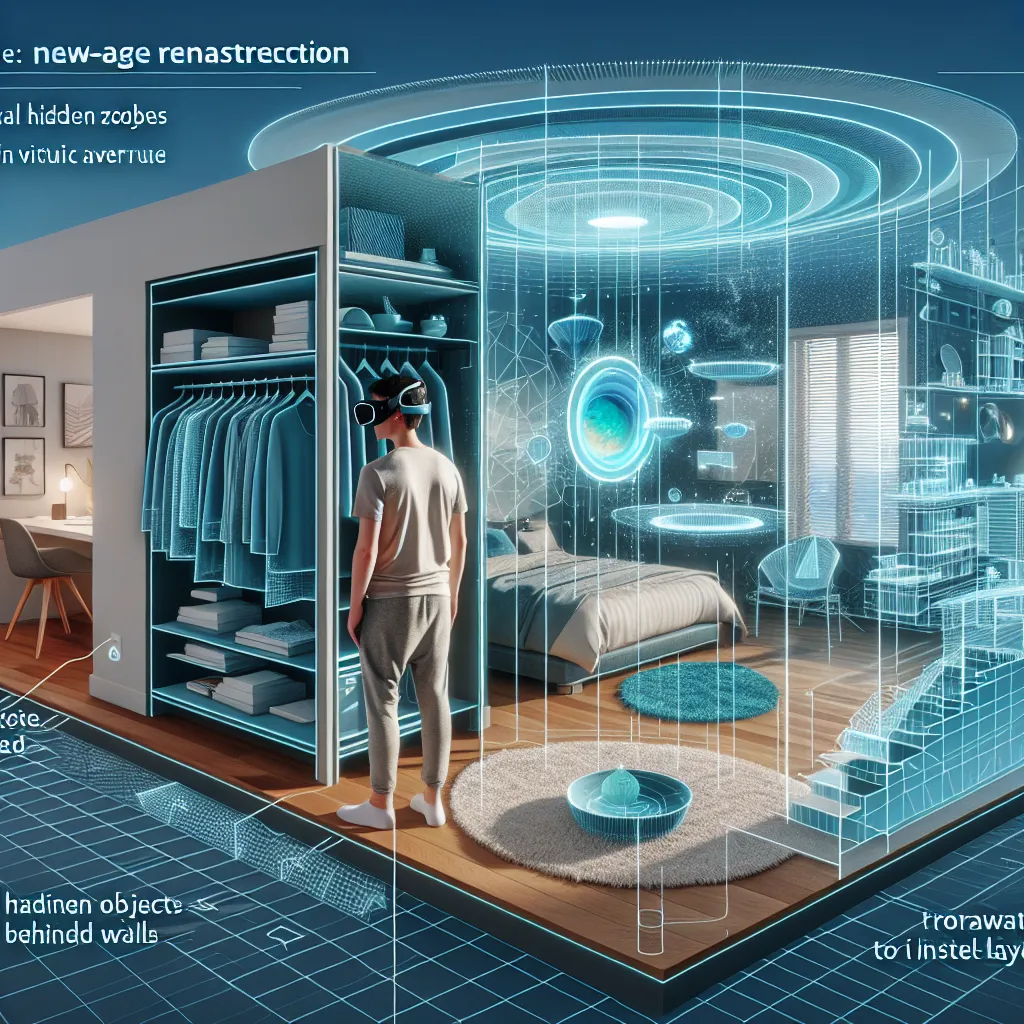
Current VR/metaverse environments are fabricated and detached from reality. A new class of metaverse platforms could map and integrate hidden objects from the real world into virtual overlays—turning physical architecture into extended-reality environments. The problem: metaverse tools today ignore your actual space. The solution: mmNorm scans your home, office, or venue—including what’s behind walls or inside objects—and creates “portal layers” where virtual items hide in real cavities. Why now? mmNorm allows for real-time spatial reconstruction of hidden zones, turning them into explorable digital layers. Example: In a VR headset, your actual bedroom closet becomes a gateway to a fantasy world—because the system knows the closet’s dimensions and hidden contents. Reality becomes part of the game map.
Description
No additional description provided.
The Pitch
The current landscape of virtual reality (VR) and metaverse platforms primarily relies on fabricated environments. These platforms often present users with experiences that are entirely detached from their real-world surroundings, limiting the potential for seamless integration with physical spaces. The need for greater immersion and authenticity in virtual environments is driving innovation in how we perceive and interact with these digital worlds.
## The Problem
Existing metaverse tools often disregard the physical spaces users inhabit. These platforms fail to integrate real-world elements, leaving a gap between virtual experiences and the tangible environment. Users crave experiences where their home, office, or other real-world locations can be meaningfully incorporated into the virtual realm. This lack of interaction leads to a disjointed experience and limits the potential for truly immersive storytelling and gameplay.
## The Solution
mmNorm stands at the forefront of transforming how we interact with the metaverse. By utilizing advanced scanning technology, mmNorm can map and integrate hidden objects within real-world environments, creating an overlay that turns physical architecture into an extended reality. Whether it's what's behind the walls or inside objects, mmNorm captures it all, creating portal layers where virtual items reside in actual cavities. This innovative approach allows for real-time spatial reconstruction of hidden zones, transforming them into explorable digital layers.
## Product Details
- **Advanced Scanning Technology:** mmNorm uses cutting-edge scanning tools to capture the dimensions and contents of a given space, recording everything from room layout to hidden objects. - **Portal Layers:** The system generates virtual overlays that align with physical spaces, allowing users to access digital content within real-world structures. - **Explorable Digital Layers:** Users can explore these transformed environments with enhanced realism, turning everyday spaces into captivating parts of their virtual experiences. - **Real-Time Integration:** mmNorm supports dynamic interaction, ensuring that changes in the physical environment are reflected in real-time within the digital space.
## Tools for Easy MVP Launch
1. **3D Scanning Software:** Leverage technologies such as LiDAR or structured light scanning to map physical spaces accurately. 2. **VR Development Platforms:** Use engines like Unity or Unreal Engine to create interactive and immersive experiences. 3. **Cloud-based Storage Solutions:** Employ cloud platforms for storing and processing spatial data. 4. **APIs and SDKs:** Integrate with existing VR and AR applications through robust APIs and software development kits.
## Go-to-Market Strategy
- **Target Early Adopters:** Focus on tech enthusiasts, gamers, and early VR adopters who are keen on exploring advanced virtual experiences. - **Partnerships:** Collaborate with hardware manufacturers, VR content creators, and metaverse platforms to expand reach and integrate with existing ecosystems. - **Pilot Programs:** Launch pilot programs in selected industries, such as real estate and entertainment, to showcase the technology's potential and gather user feedback. - **Content Creation Workshops:** Host workshops to educate developers and content creators on how to leverage mmNorm for enhancing virtual environments.
## Business Model
mmNorm can adopt a subscription-based model, offering different tiers based on features and usage needs. Additional revenue streams may include:
- **Licensing:** Allow VR developers and platform operators to license mmNorm technology. - **Custom Solutions:** Provide bespoke services for businesses looking to integrate mmNorm with their own products and platforms. - **Marketplace:** Create a marketplace for third-party developers to offer additional content and experiences leveraging mmNorm's technology.
By seamlessly merging the real with the virtual, mmNorm not only enhances the immersion of metaverse experiences but also empowers creators to push the boundaries of what's possible in virtual storytelling and interaction.