Integrated Lab for Advancing Natural-Product Therapeutics
Academic labs constantly discover bioactive natural molecules but lack the infrastructure to scale synthesis, test derivatives, or navigate early drug-development steps. As a result, promising leads die in PDFs. The solution is a contract development lab built specifically for natural-product therapeutics: total synthesis, analog libraries, toxicity assays, and regulatory-grade data—all under one roof. It’s viable now because synthetic complexity is no longer prohibitive; MIT’s verticillin work shows even highly ornate molecules can be produced on demand. A university could submit a fungal metabolite with preliminary activity, and within months receive kilograms of material, optimized variants, full mechanistic data, and a licensing-ready package for pharma.
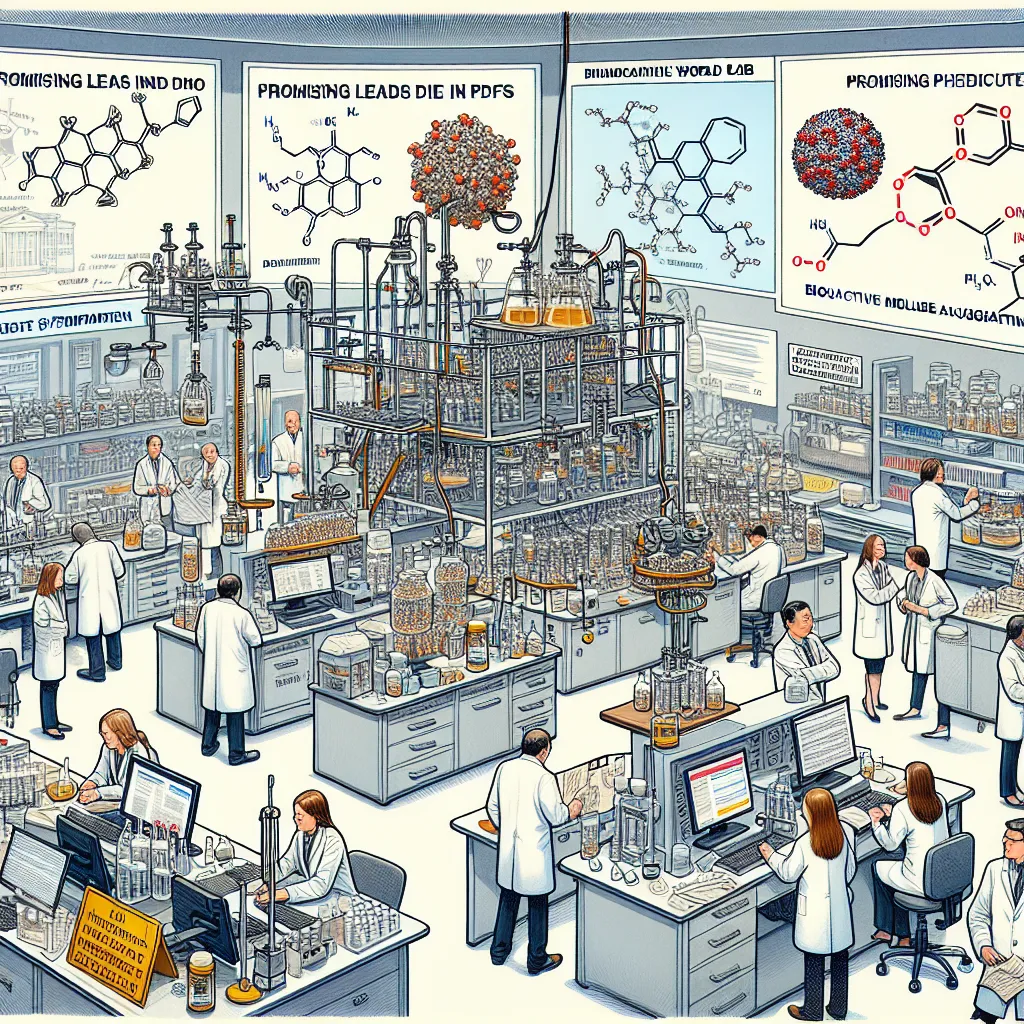
Description
No additional description provided.
The Pitch
The field of natural-product therapeutics sits at the crossroads of chemistry and biology, marked by the discovery of bioactive molecules that have immense potential for drug development. Despite this promise, many groundbreaking findings remain dormant, caught between initial academic discovery and the complexities of further development. This narrative outlines an innovative approach to bridging this gap by establishing an integrated contract development lab dedicated to advancing natural-product therapeutics.
Background: In academic labs worldwide, researchers frequently identify bioactive molecules from natural sources, such as plants, fungi, and marine organisms. These discoveries often highlight promising leads for therapeutic development, marked by unique mechanisms and high specificity. However, the intricate processes involved in screening, synthesizing, and optimizing these leads are resource-intensive and beyond the typical infrastructure of academic settings. Consequently, many potential drug candidates languish as supplementary files in academic journals, devoid of further development.
The Problem: The primary obstacle is the lack of infrastructure required for the scale-up synthesis of complex natural molecules, examination of derivatives, and progression through early-stage drug development steps. Academic labs frequently face challenges such as limited access to advanced synthetic chemistry capabilities, sophisticated biological testing, and regulatory pathways knowledge. This bottleneck results in promising leads failing to transition from academic curiosity to viable pharmaceutical candidates.
The Solution: To address this gap, the creation of a dedicated contract development laboratory for natural-product therapeutics is proposed. This facility would offer a comprehensive suite of services including total synthesis of complex molecules, generation of analog libraries for structure-activity relationship studies, execution of toxicity assays, and production of regulatory-grade data packages. By consolidating these essential components under one entity, the transition from discovery to development is streamlined, reducing both time and risk.
Product Details: The proposed contract lab would deliver end-to-end solutions for natural-product drug candidates identified by academic institutions and smaller biotech companies. Key offerings would include: 1. Total Synthesis: Utilizing state-of-the-art synthetic methods to produce both the original compound and any suggested derivatives at scale. 2. Structural Optimization: Creating libraries of analogs to identify more potent and selective variants. 3. Biological Testing: Conducting detailed toxicity and efficacy assays to assess therapeutic viability. 4. Data and Compliance: Generating comprehensive data packages meeting regulatory standards to facilitate clinical trials and potential licensing agreements.
Tools for MVP Launch: To effectively launch this venture as a Minimum Viable Product (MVP), several strategic tools and processes are recommended: - Partnership with leading academic institutions to secure initial bioactive leads. - Implementation of synthetic automation platforms, reducing material and labor costs. - Incorporation of advanced computational modeling to predict derivative efficacy and toxicology. - Establishment of collaborations with regulatory experts to ensure data package compliance.
Go-To-Market (GTM) Strategy: The GTM strategy for this initiative targets academic institutions, biotech startups, and pharmaceutical firms interested in natural-product drug development. Key elements include: - Building relationships with universities by offering workshops and presentations on the benefits of partnering with the lab. - Establishing case studies and success stories from initial collaborations to build credibility and showcase potential. - Engaging with industry conferences and symposiums to raise visibility and attract partnerships. - Offering flexible pricing models and milestone-based costing to accommodate academic and startup budgets.
Business Model: The business model revolves around a service-based approach, generating revenue through contracts with academic and biotech clients. Potential revenue streams include: - Service fees for individual components or bundled packages of synthesis, optimization, and testing. - Licensing agreements for candidate molecules showing significant development promise. - Long-term partnerships with larger pharmaceutical companies for specific development projects.
Conclusion: This innovative contract development lab offers a viable pathway to unlock the latent potential of bioactive natural molecules. By addressing the infrastructural challenges faced by academic labs and small biotech firms, this initiative could significantly expedite the translation of natural-product discoveries into impactful therapeutics. With the right strategic partnerships and technological investments, this lab stands to become a pivotal player in the field of drug development.