Integrated Health Dashboard
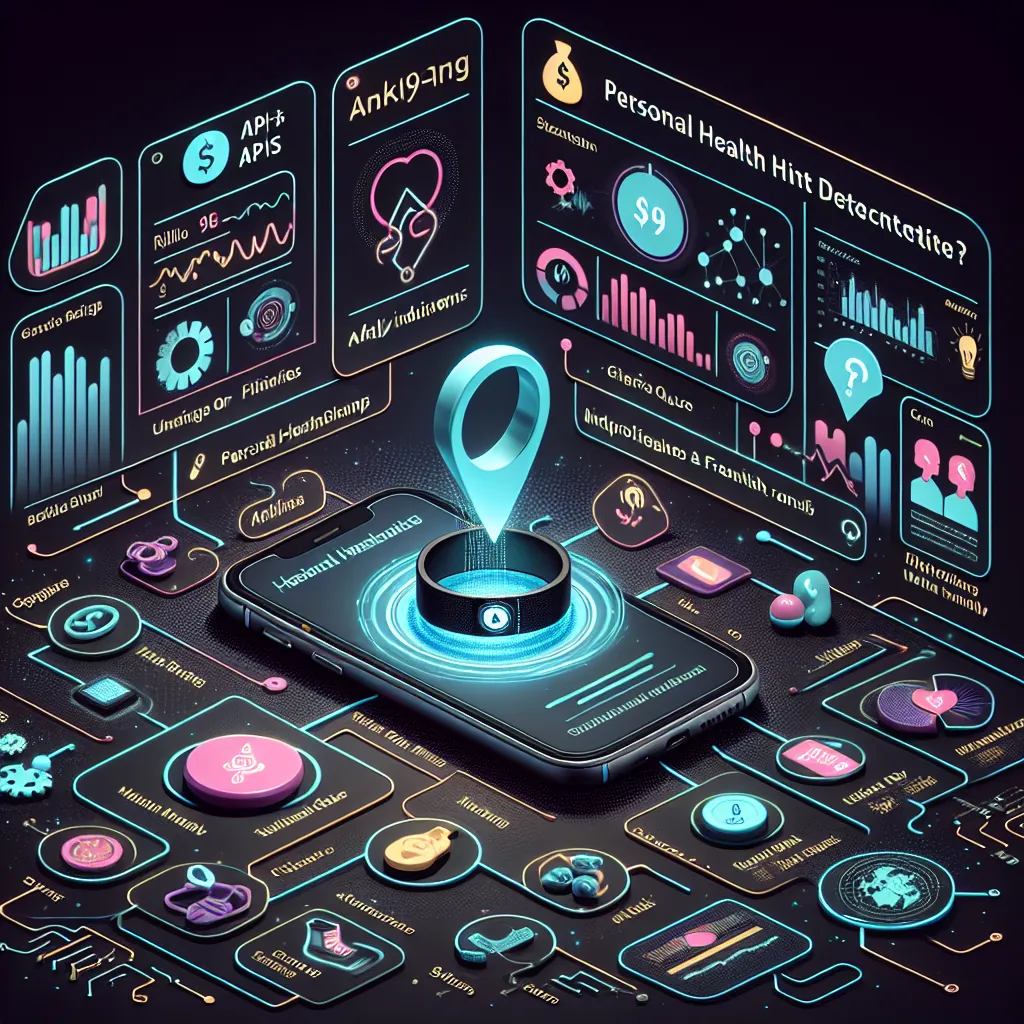
Consumers wear rings, watches, and glucose monitors, use apps like Strava, and take lab tests—yet all that health data remains siloed, making it nearly impossible to connect the dots. The solution is a unified health dashboard that pulls in data from these disparate sources and layers on an AI interface, allowing users to ask natural language questions and receive actionable insights. It wouldn’t replace doctors but would serve as a personal health detective, spotting trends or conflicts (e.g., medication causing nausea during runs). APIs from Oura, Dexcom, and Function Health already exist, making this technically feasible. A subscription-based model or employer-sponsored perk could support monetization. For health-conscious users, this kind of integration would be invaluable.
Description
No additional description provided.
The Pitch
In today's world, technology and health often intersect in ways that empower individuals to better understand and manage their well-being. Devices like smartwatches, glucose monitors, and apps such as Strava, alongside periodic lab tests, generate an abundance of health data. However, this data often remains isolated within its respective device or platform, making it difficult for users to gain a comprehensive overview of their health or to identify patterns that could be crucial for their well-being.
**Backstory**
As technology progresses, consumers are increasingly reliant on health-related gadgets and applications that offer them insight into various aspects of their health. People use these tools to monitor heart rate, glucose levels, physical activity, sleep patterns, and more. Despite the advanced tracking capabilities of each device or app, they typically operate in silos, without integrating data across platforms. This fragmentation limits the potential of these technologies to deliver cohesive health insights that could preemptively flag health concerns or optimize lifestyle choices for improved well-being.
**The Problem**
The isolated nature of health data means users cannot effectively correlate their lifestyle habits with their health metrics. For instance, the relationship between exercise and medication side effects might go unnoticed if relevant data isn't evaluated in conjunction. Consequently, users are deprived of a holistic view necessary for making informed health decisions, thus reducing the overall efficacy of their health monitoring efforts.
**The Solution**
The proposed solution is a unified health dashboard that centralizes all this disparate data. By integrating information from various health and wellness trackers, lab results, and fitness apps, the dashboard provides a consolidated overview of an individual's health landscape. To enhance accessibility and usability, an AI interface would be implemented, allowing users to ask questions in natural language, facilitating intuitive interactions while delivering actionable insights.
**Product Details**
This AI-enabled health dashboard would:
- Aggregate data from popular health apps and devices including wearables and medical devices using existing APIs such as Oura, Dexcom, and Function Health. - Provide users with personalized insights by analyzing comprehensive data and identifying trends or potential health concerns. - Empower users by allowing them to pose natural language questions to the AI, ensuring insights are easily accessible and understandable. - Offer data visualization tools to enhance user understanding of their health trajectories over any selected period.
**Tools and Technology**
Potential tools and technology for building an MVP include:
- API integration services to automate data import from various sources. - AI and machine learning platforms like TensorFlow or PyTorch for developing the natural language processing capabilities. - Data visualization libraries like D3.js or Chart.js to create interactive dashboards. - Cloud platforms such as AWS or Google Cloud for data storage and processing.
**Go-To-Market Strategy**
The plan to introduce this product to the market involves:
1. Identifying and partnering with wearable tech and health app companies to ensure smooth data integration and extended reach. 2. Marketing through health-focused online communities and forums to generate interest and gather early adopters. 3. Creating a presence on platforms like LinkedIn to connect with employers interested in offering the dashboard as a wellness perk. 4. Utilizing influencers in the health and fitness sectors to promote product benefits to a wider audience.
**Business Model**
A subscription model can be employed to ensure consistent revenue streams. Consumers could either subscribe independently on a monthly basis or access the dashboard through an employer-sponsored program. This model allows flexibility based on varying consumer needs and company wellness budgets. Offering a free trial period could be an effective way to attract initial users and demonstrate value.
By providing an integrated health data solution powered by AI, this project could meet the needs of health-conscious individuals looking to make more informed decisions about their well-being.