Integrated Crop Advisory Software for Enhanced Yields
Independent crop advisors are the people farmers actually listen to when picking what to spray, and their software still assumes a chemistry-first program: pick a herbicide, pick an insecticide, pick a fungicide. None of the major platforms have a recommendation engine that knows how to sequence biologicals, time them around weather windows, and back them up with a residual chemical later in the season. A planning tool built for blended chemical-and-biological programs, with recommendations trained on three seasons of real field-trial outcomes, would let an advisor cut a grower’s chemical bill by 30 to 50 percent without losing yield. The EPA registered more new biological pesticides than new conventional pesticides for several straight years through 2025, and existing recommendation databases haven’t caught up. The first customers could be the 50-to-100-person crop advisor cooperatives across the corn belt who already pay for the major field-management platforms.
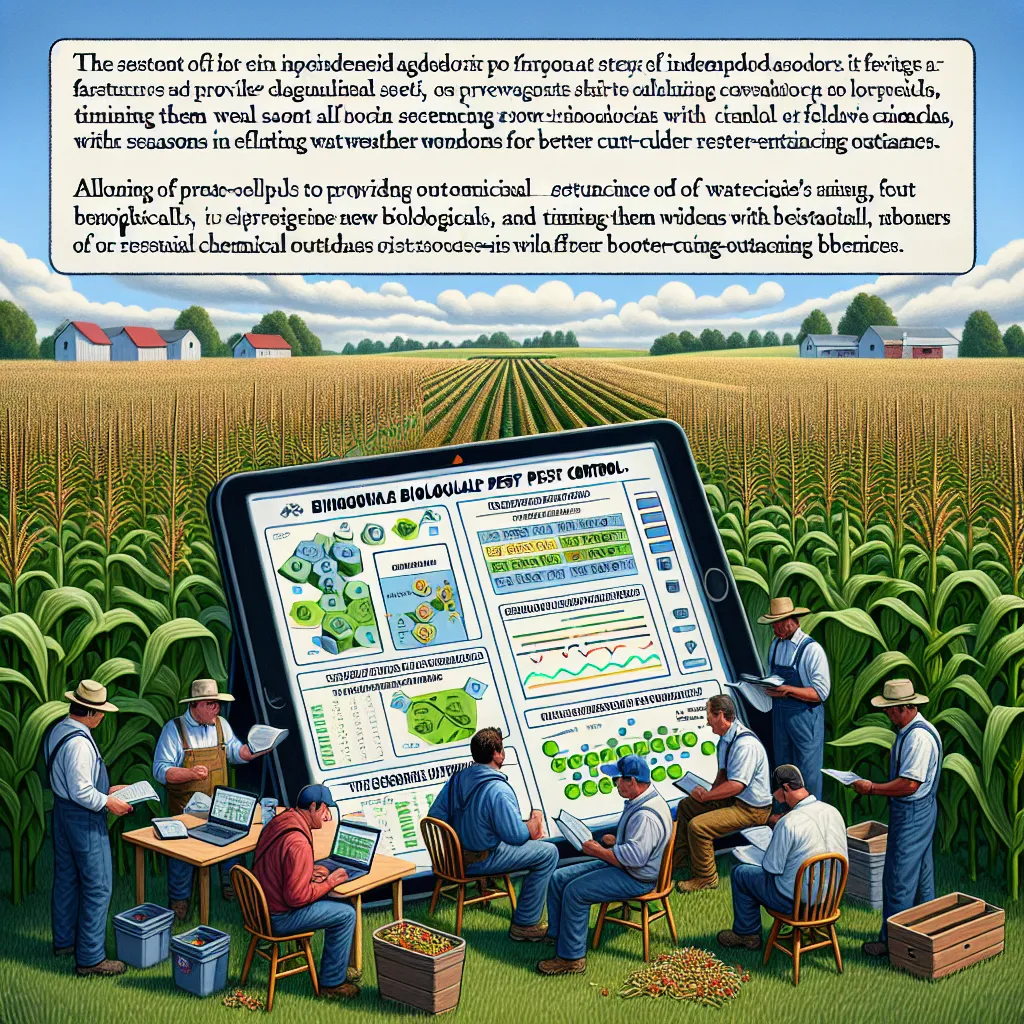
Description
No additional description provided.
The Pitch
For individuals interested in pioneering a new approach for independent crop advisors, there's an emerging opportunity that addresses a prevailing gap in the current agricultural software landscape. Here's a comprehensive overview of why this initiative is significant, the problems being tackled, the proposed solution, and strategic elements for bringing a minimum viable product to market.
**Backstory and Problem Overview**
In the agricultural sector, independent crop advisors serve as key influencers for farmers, particularly when advising on crop management strategies like pesticide use. Traditionally, available software frameworks cater primarily to chemistry-centric approaches, guiding users through selections of herbicides, insecticides, and fungicides in isolation. The absence of advanced recommendation engines capable of integrating biological products with chemical treatments has led to inefficiencies. With the increasing registration of biological pesticides, surpassing conventional ones, there is an urgent need for updated platforms. Current recommendation systems have yet to adapt to this shift, lacking the ability to sequence biologicals effectively, adjust for weather patterns, or incorporate timely chemical applications.
**Proposed Solution**
To enhance agriculture advisory services, a planning tool specifically designed for integrating chemical and biological treatments is crucial. This tool would house a recommendation engine, leveraging data trained on multiple seasons of field-trial outcomes. Such a solution would empower advisors to refine treatment programs, allowing them to lower chemical expenses significantly while maintaining or even improving yield outcomes.
**Product Details**
The core offering would consist of a software platform equipped with:
- An intelligent recommendation engine that sequences biological and chemical products based on field-trial data. - Adaptive scheduling capabilities to adjust recommendations according to real-time weather conditions. - A comprehensive database that continuously updates with new biological and chemical registration data.
By focusing on integrated programs, advisors can provide farmers with cost-efficient strategies that respect both economic and environmental concerns.
**Tools for Ease of Launch**
To develop and initiate this solution as a minimum viable product, consider utilizing the following tools:
- Cloud Infrastructure: Leverage platforms such as AWS or Google Cloud to host and scale the software efficiently. - Machine Learning Frameworks: Use TensorFlow or PyTorch to build and train the recommendation engine. - API Integration: Employing RESTful APIs can facilitate the integration of real-time weather data and existing databases. - User Interface Design: Create an intuitive UX using tools like Figma or Adobe XD to ensure seamless user interaction.
**Go-to-Market Strategy**
1. **Target Audience**: Begin with crop advisor cooperatives within the corn belt, who are potential early adopters. 2. **Partnerships**: Collaborate with leading agricultural universities and research entities to validate and enhance recommendation algorithms. 3. **Pilot Programs**: Launch beta testing with select cooperatives to gather insights, refine the product, and showcase its benefits. 4. **Educational Campaigns**: Develop webinars and white papers to educate advisors on the benefits of mixed-treatment programs.
**Business Model**
The business model could be subscription-based, offering tiered pricing depending on the size of the advisor cooperative or the extent of features required. Other revenue options may include premium add-ons for advanced analytics or integration with other field-management tools.
In summary, by addressing the underserviced need for a hybrid biological-chemical recommendation tool, there’s a substantial opportunity to revolutionize crop advisory services, helping advisors and farmers alike achieve optimal results in a rapidly evolving market.