Instant Wine Authentication for Collectors and Auctions
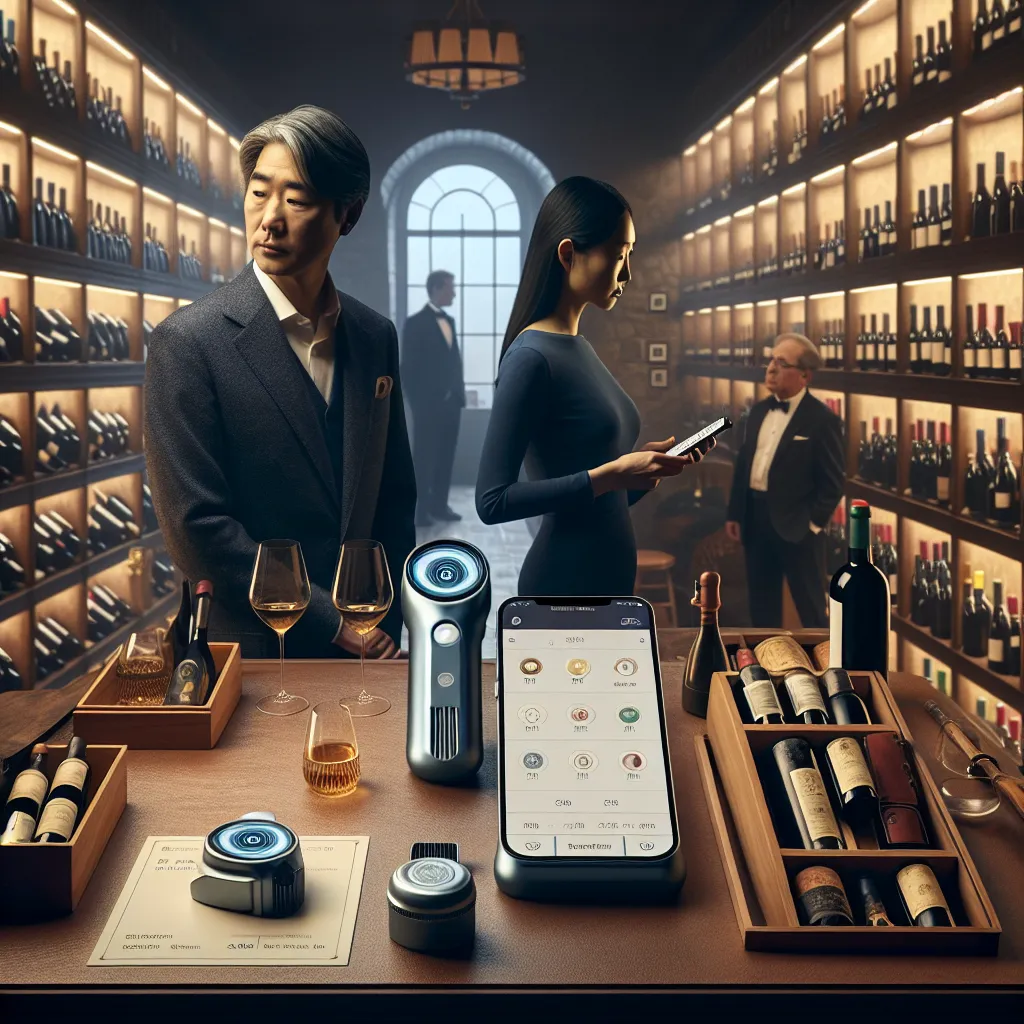
Wealthy wine collectors are sitting on cellars where a meaningful share of the bottles are forgeries, and the only way to find out today is to either open one and hope or hire a forensic specialist for a months-long review. There's nothing at the point of purchase that gives a yes or no in real time. A handheld device pairing a phone camera with a small spectrometer, backed by a reference database of authentic bottles' label fibers, glass composition, and cork chemistry, could return a confidence score in under a minute without uncorking. Phone-attachable spectrometers came down to roughly $5,000 over the last year, finally cheap enough to sit at every serious consignment desk, and the rise of $50K-plus single-bottle online auctions has turned fraud claims into a recurring legal headache that houses now want to head off before sale. The first version is a per-scan verification service that wine auction houses pay for at intake.
Description
No additional description provided.
The Pitch
Wealthy wine collectors often possess extensive cellars filled with rare, high-value bottles. However, there is a significant problem facing these collectors: a substantial portion of these bottles may be forgeries. Currently, the methods available to verify a bottle's authenticity are either to open and taste it, which can ruin its value, or to engage a forensic specialist, a process that can take months and involve considerable expense. At the moment of purchase, buyers lack a reliable, immediate method to authenticate bottles.
The proposed solution is the development of a portable device that utilizes a phone camera and a compact spectrometer. This device would work in conjunction with a comprehensive database containing information on authentic wine bottles — specifically, details about label fibers, glass composition, and cork chemistry. Together, these technologies would provide a confidence score regarding a wine bottle's authenticity, delivering results in less than a minute and without necessitating the bottle to be opened.
Recent advancements have made this solution feasible: phone-compatible spectrometers are now available for approximately $5,000, a price point that makes them accessible for use by serious wine collectors and auction consignment desks. The marketplace for high-value wine has also evolved, with single-bottle transactions reaching upwards of $50,000 online. This shift has compelled auction houses to take preventative measures against fraud, seeking solutions that preemptively address potential authenticity disputes before a sale occurs.
The initial product offering would be a per-scan verification service, where wine auction houses and collectors could authenticate bottles during the intake process. This service would integrate seamlessly into the operations of auction houses, providing them with a simple and effective way to ensure the authenticity of their inventory.
To enable the swift development and launch of this product as a Minimum Viable Product (MVP), the following tools and strategies would be utilized:
1. **Development Tools**: Leveraging existing spectrometer technology and mobile app development platforms, the initial version can be rapidly prototyped and tested. A partnership with a database provider specializing in wine authentication data would be crucial to offer robust verification capabilities.
2. **GTM Strategy**: The go-to-market strategy would focus on building partnerships with wine auction houses and high-end retailers initially, providing them with the devices and training to use the service. Marketing efforts would aim at demonstrating the unique value proposition — immediate and reliable authentication — through targeted industry events and digital campaigns.
3. **Business Model**: The revenue model would be based on a per-scan fee, providing a consistent revenue stream from auction houses and other users. Additionally, there could be opportunities for subscription services offering regular database updates and device maintenance services.
By addressing the pressing issue of wine forgery with this innovative solution, the product offers a valuable service to collectors and auction houses alike, mitigating the risks associated with counterfeit wines and safeguarding the integrity of the wine market.