Instant Micro-Insurance for Hassle-Free Protection
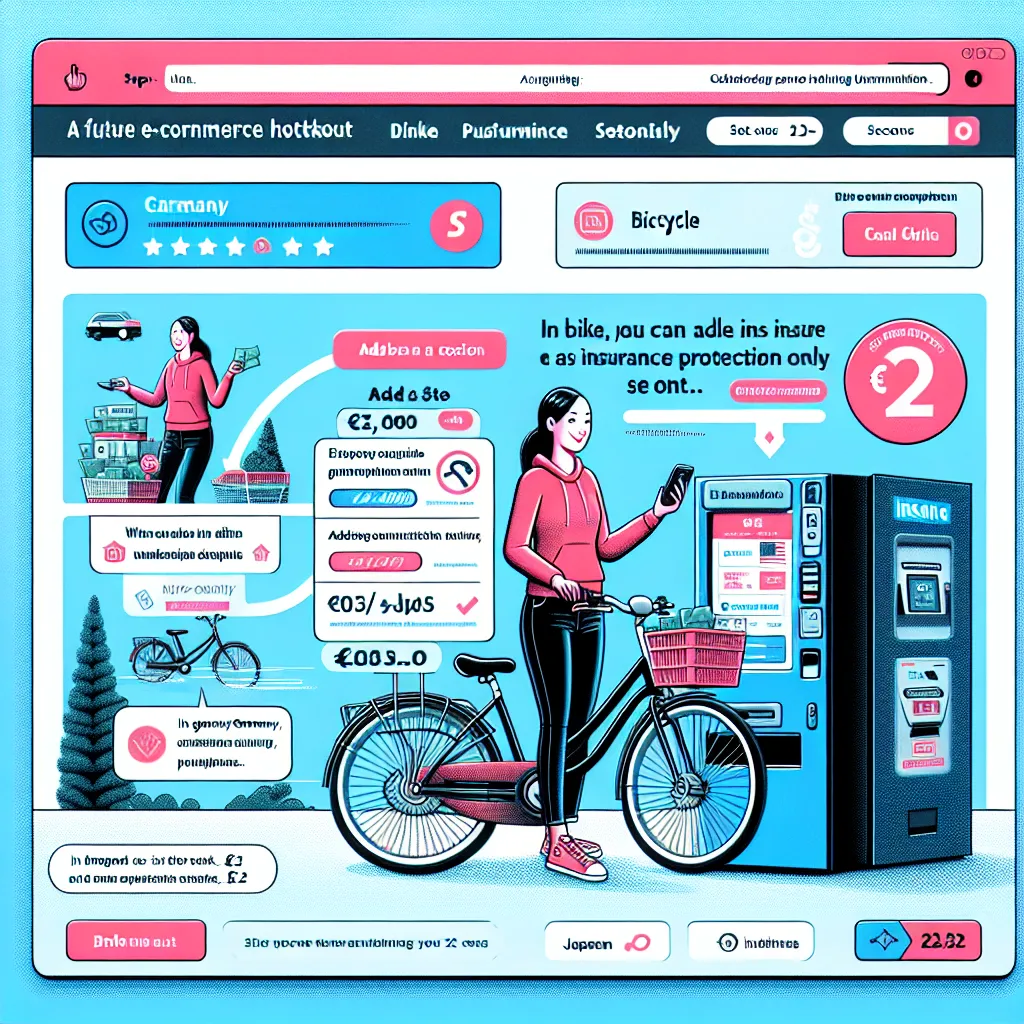
Americans leave laptops, phones, and bikes unprotected because insurance feels slow and overcomplicated. In Germany, Getsafe lets you insure a bike for €3/month in 60 seconds. In Japan, vending machines sell one-day accident insurance. No U.S. retailer has embedded this frictionless model yet. A startup that offers one-click, instant coverage at e-commerce checkout — “Add 30-day protection for $2” — could normalize micro-insurance. Abroad, these services are sticky revenue streams; in America, this is still untapped.
Description
No additional description provided.
The Pitch
The landscape of insurance is evolving worldwide, with many countries embracing efficient, low-cost, and frictionless insurance models. Yet in the United States, the insurance experience remains predominantly traditional and cumbersome. This presents a unique opportunity for a startup to disrupt the market by introducing a seamless, instant insurance solution at the point of sale in e-commerce settings.
Backstory
In various parts of the world, insurance has been transformed to fit modern, digital lifestyles. For instance, in Germany, Getsafe provides instant bike insurance for as low as €3 per month that can be activated in just 60 seconds. Japan has embraced one-day accident insurance available through convenient vending machines. Despite these innovations, the U.S. market has not yet fully capitalized on the potential for such streamlined solutions. American consumers often leave valuable items like laptops, phones, and bikes unprotected simply because traditional insurance processes are perceived as slow and overly complex.
The Problem
For many American consumers, insurance feels like an afterthought. The lengthy and complicated processes, coupled with high costs, discourage people from seeking coverage for small but valuable items. This leaves numerous everyday products unprotected against theft, loss, or damage, leading to direct financial losses and costly replacements.
The Solution
A micro-insurance startup can bridge this gap by providing a one-click, instant coverage option at the checkout stage of online shopping. By offering a simple “Add 30-day protection for $2” prompt, customers can easily secure their purchases against unforeseen events. This model not only enhances the customer experience by integrating insurance into the purchasing process but also taps into an untapped revenue stream in the U.S. market.
Product Details
The proposed micro-insurance solution will offer:
1. Instant Activation: Enable users to activate their insurance policy immediately upon completing their purchase.
2. Flexible Coverage: Offer customizable plans that vary in duration and cost, catering to different buyer needs and preferences.
3. Seamless Integration: Work with e-commerce platforms to embed this option directly at checkout for a smooth, interrupt-free buying experience.
4. User-Friendly Interface: Design an intuitive interface that makes understanding and purchasing micro-insurance straightforward.
Tools for Easy Launch
1. API Partnerships: Collaborate with major e-commerce and payment gateway platforms to easily integrate the insurance offering.
2. Digital Marketing Tools: Utilize platforms like Google Ads, Facebook Ads, and email marketing tools to reach targeted audiences.
3. Analytics: Implement tracking tools such as Google Analytics and CRM systems to optimize and personalize offerings based on consumer behavior.
4. Customer Support Solutions: Include live chat features and comprehensive help sections to support customer inquiries and increase trust.
Go-To-Market Strategy
1. Strategic Partnerships: Develop partnerships with leading e-commerce platforms to embed the insurance option seamlessly.
2. Influencer Campaigns: Collaborate with influencers and thought leaders to build brand awareness and credibility.
3. Educational Content: Create content focused on educating consumers about micro-insurance benefits to drive adoption.
4. Introductory Offers: Implement promotional pricing or trials to encourage first-time users to engage with the product.
Business Model
The micro-insurance startup could operate on a subscription-based model with options for one-time payments. Revenue streams might include:
1. Premium Fees: Charging a small fee for each insurance policy sold.
2. Subscription Plans: Providing tiered pricing based on duration and coverage level.
3. B2B Partnerships: Entering agreements with retailers for revenue-sharing, allowing them to offer micro-insurance directly to their customers.
Conclusion
Introducing a micro-insurance solution at points of e-commerce checkout presents a transformative opportunity in the U.S. insurance industry. By leveraging technology and strategic partnerships, this model not only addresses a significant consumer pain point but also taps into a potentially lucrative market, offering a win-win for both consumers and businesses.