Instant Incident Report Generator for Engineers
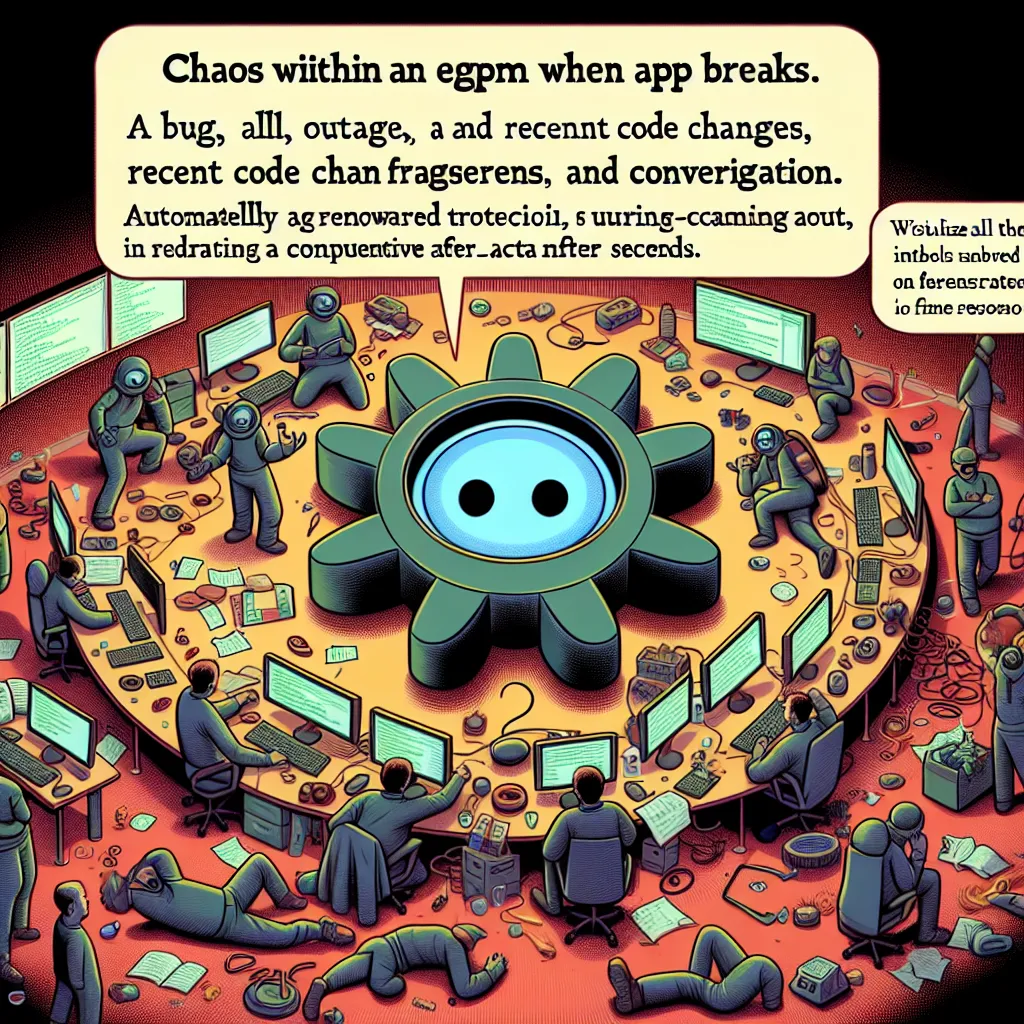
When an app breaks—due to a bug, outage, or misconfiguration—engineering teams are forced into firefighting mode, digging through logs, recent commits, and Slack messages to reconstruct what happened. This process is slow, stressful, and often incomplete. The solution is an embedded agent powered by Model Control Protocol (MCP) that activates automatically during incidents. It traces every relevant log entry, code change, and team conversation to generate a complete postmortem report within seconds. For $50 per incident, teams get instant clarity, reduced downtime, and fewer repeat failures. In one case, a missed config push that broke user logins can be diagnosed in under a minute.
Description
No additional description provided.
The Pitch
In today's competitive landscape, ensuring consistent application uptime is crucial for retaining user satisfaction and trust. Any disruption can lead to significant financial losses and damage to brand reputation. Traditional incident management processes involve manually scouring through logs, reviewing recent code commits, and sifting through communication channels to piece together what went wrong. This manual approach is not only time-consuming but also prone to errors, often resulting in incomplete analyses and unresolved issues.
Problem Identification:
The current methods of handling application incidents are inefficient and stressful for engineering teams. Key challenges include:
1. Delayed Response: The manual reconstruction of incidents is slow, leading to prolonged downtime. 2. Stress and Burnout: The firefighting nature of incident management contributes to team fatigue. 3. Incomplete Diagnosis: Without a systematic approach, incident postmortems are often partial, leading to unresolved issues and repeat failures.
Solution Overview:
The proposed solution is an embedded agent powered by Model Control Protocol (MCP) that activates automatically during incidents. It is designed to:
1. Automatically trace every relevant log entry, code change, and team conversation when an incident occurs. 2. Generate comprehensive postmortem reports within seconds, offering immediate clarity and action points. 3. Minimize downtime, reduce operational stress, and prevent repeat failures.
Product Details:
The MCP-powered embedded agent offers the following features:
1. Real-Time Monitoring: Continuous surveillance of the application environment to detect anomalies. 2. Automatic Activation: The agent springs into action immediately upon incident detection, requiring no manual intervention. 3. Complete Reports: Generates detailed postmortem reports that identify root causes and suggest corrective measures. 4. User-Friendly Interface: Intuitive dashboards that display incident timelines and impact analyses.
Tools and Technologies for MVP Launch:
1. Development Frameworks: Utilize tools like Node.js, Python, or Java for building the agent. 2. Cloud Infrastructure: Deploy on platforms like AWS, Google Cloud, or Microsoft Azure for scalability. 3. Continuous Integration/Continuous Deployment (CI/CD) Pipelines: Implement CI/CD tools like Jenkins or GitLab for efficient updates. 4. Communication APIs: Integrate with Slack, Microsoft Teams, and other communication tools for seamless team interaction.
Go-to-Market (GTM) Strategy:
1. Target Audience: Focus on mid-sized to large engineering teams struggling with incident management. 2. Strategic Partnerships: Collaborate with cloud service providers to bundle the agent with their incident management offerings. 3. Content Marketing: Leverage thought leadership through blogs, webinars, and whitepapers to educate the market. 4. Early Access Program: Launch a beta version for early adopters to gather feedback and iterate on the product.
Business Model:
The pricing model is based on charging $50 per incident. This ensures affordability while providing value in terms of reduced downtime and increased efficiency. Additionally, offer subscription tiers with varying levels of support and customization options.
Conclusion:
Implementing an embedded agent powered by Model Control Protocol represents a transformative approach to incident management. By providing clarity, reducing downtime, and preventing repeat failures, it empowers engineering teams to maintain optimal application performance. With a well-defined MVP launch strategy and a clear business model, this solution holds the potential to become a game-changer in the software industry.
---