Inspirational STEM Kits for Kids and Parents
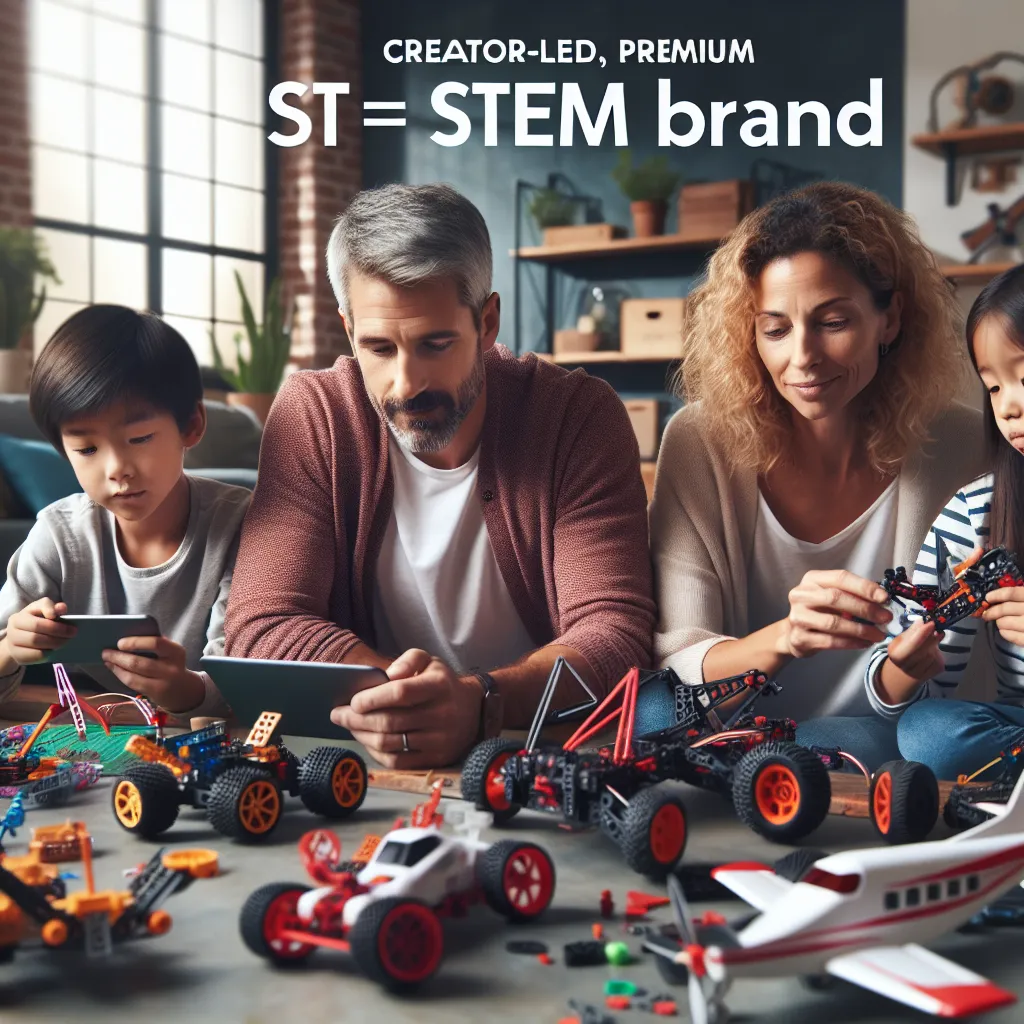
STEM kits and model-building toys already exist, but few are led by creators who inspire both kids and parents. A brand built around a creator who makes engineering and science exciting—and markets to parents who want meaningful play for their kids—could stand out. The podcast discussed Project Air and CrunchLabs as proof points, emphasizing how dads often use their kids as an excuse to play with RC cars and planes. A creator-led, premium STEM brand could tap into that dual audience, combining YouTube content with direct-to-consumer educational products and subscriptions.
Description
No additional description provided.
The Pitch
In today's landscape of educational toys, the market is populated with STEM kits and model-building toys aimed at sparking children's interest in science, technology, engineering, and math. However, many existing products do not leverage the potential of creator-led inspiration, which can captivate both children and their parents. This concept focuses on establishing a distinctive brand centered around a creator who makes engineering and science thrilling, offering products and experiences that resonate with families seeking meaningful and engaging play opportunities.
Backstory: The inspiration for this initiative arises from the growing trend of creator-driven brands gaining traction in various industries. Creators possess the unique ability to connect with audiences through authentic storytelling and hands-on experiences. By harnessing this approach in the STEM education market, it is possible to develop a brand that appeals to both young learners and their parents, encouraging joint exploration and learning.
Problem: Although current STEM educational products serve their purpose, they often lack the engaging element that makes learning science and engineering exciting for kids. Additionally, these offerings rarely connect with parents on an emotional level, missing out on the opportunity to foster family bonding through shared learning experiences. There is a need for a brand that bridges this gap by offering premium, creator-led STEM products that encourage both solo and collaborative learning.
Solution: The proposed solution is to create a premium STEM brand that combines high-quality educational products with captivating content led by a charismatic and knowledgeable creator. The brand would focus on offering a range of STEM kits and model-building toys that are not only educational but also entertaining. By leveraging online platforms such as YouTube, the creator could share engaging tutorials, story-driven content, and interactive challenges, encouraging both kids and parents to participate in the learning journey.
Product Details: The brand would offer a variety of STEM kits tailored to different age groups and skill levels, ensuring that there is something for every child and parent to enjoy together. Each kit would come with all necessary materials and detailed, creator-led instructions in video format, accessible via a dedicated online platform. In addition to standalone kits, the brand could offer a subscription model, delivering new projects and exclusive content regularly to subscribers.
Tools for MVP Launch: 1. **Content Creation Platforms**: Utilize YouTube and Instagram for video content and community engagement. 2. **E-commerce Solutions**: Implement platforms like Shopify for easy product listing, sales, and customer management. 3. **Crowdfunding**: Consider Kickstarter or Indiegogo for initial funding and market validation. 4. **Social Media Management**: Use tools like Hootsuite or Buffer to streamline content scheduling and audience interaction. 5. **Prototyping Tools**: Leverage Tinkercad or Fusion 360 for the design and prototyping of product components.
GTM Strategy: 1. **Community Building**: Develop a robust online community around the creator's personal brand to foster engagement and trust. 2. **Influencer Partnerships**: Collaborate with other educational creators and influencers to reach broader audiences. 3. **Targeted Advertising**: Use social media platforms like Facebook and Instagram to target parents interested in educational products. 4. **Educational Partnerships**: Partner with schools and educational institutions for workshops, product demos, and endorsements.
Business Model: The business model would be a hybrid of direct-to-consumer sales and a subscription service. Revenue would stem from product sales, subscription fees, and potentially ad revenue from content platforms. The emphasis would be on building a sustainable community of patrons who value the brand for its educational impact and entertainment value, leading to recurring revenue through loyal customer engagement.
Conclusion: The development of a creator-led premium STEM brand offers a unique opportunity to revolutionize the educational toy market by infusing it with engaging, content-driven experiences. By tapping into the dual audience of children and their parents, this initiative has the potential to redefine meaningful play and learning, fostering a new generation of young innovators inspired by play and exploration.
---