Innovative Leasing Service for Underutilized Retail Spaces
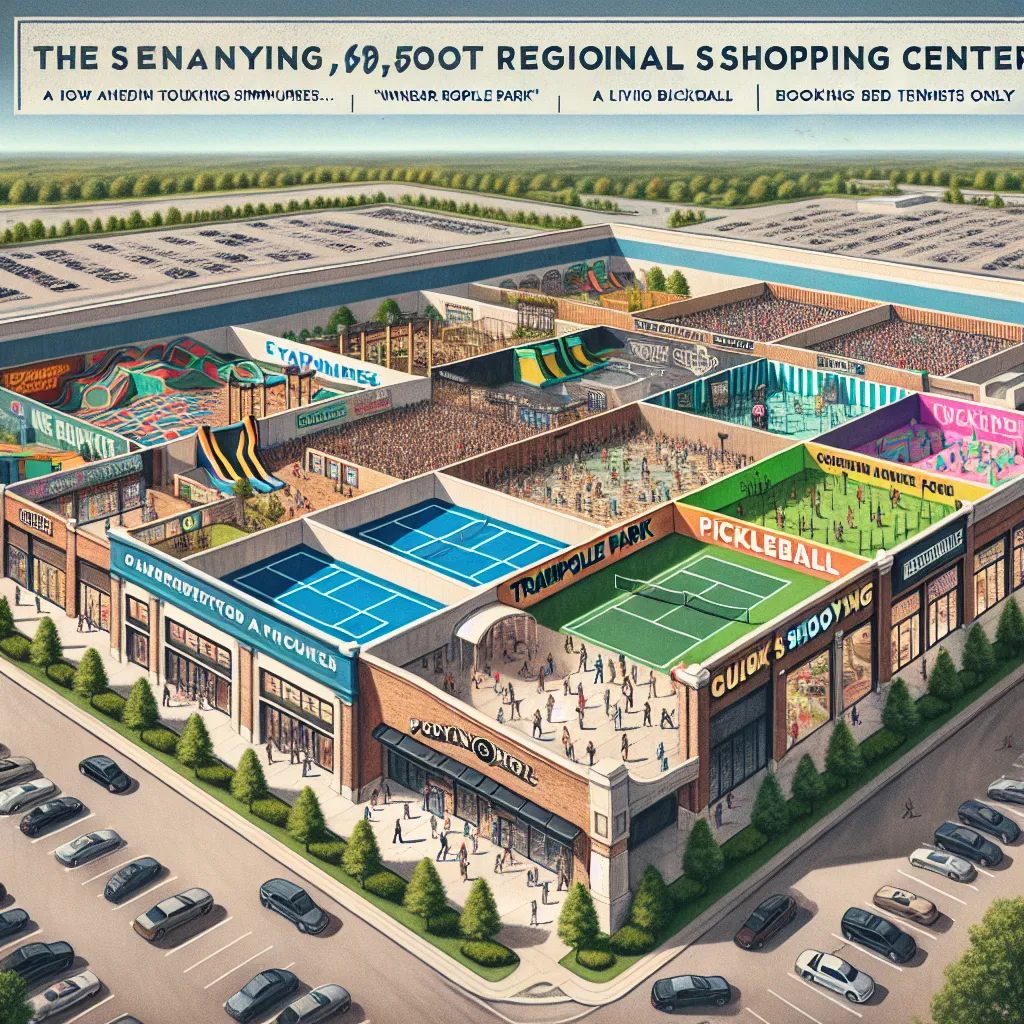
A regional shopping center with a vacant 90,000-square-foot Macy's used to lease it to another department store, but that option has not really existed since around 2022. Most landlords have no playbook for chopping the space and filling it with a trampoline park, a pickleball facility, an indoor golf simulator, and an axe-throwing venue under one lease structure. The deals fall apart because traditional retail underwriting cannot price businesses that earn money by the hour booked rather than per square foot of retail. A leasing service that pairs a pre-vetted operator network with an underwriting model built for booking-based tenants would let a landlord fill the box in three deals instead of waiting two years for a single tenant. Joann announced full liquidation in early 2025, Macy's said in 2024 it would close 150 stores by 2026, and Big Lots and Express both filed for bankruptcy that same year. The first version runs alongside CBRE on the largest underperforming centers in Midwest and Southeast secondary markets.
Description
No additional description provided.
The Pitch
The landscape of traditional retail is undergoing rapid transformation. The decline of large department stores has left major vacancies in shopping centers, presenting an opportunity for innovative solutions. This document outlines the development of a groundbreaking service that reimagines these vacant spaces by introducing a diverse range of entertainment options, all under one lease structure.
Backstory: As major retail giants like Macy's and Joann shutter their doors and announce widespread closures, shopping centers are faced with the challenge of repurposing expansive, unoccupied spaces. These once-bustling department stores are now collecting dust, primarily due to the lack of suitable tenants who can thrive in a changing retail environment. Traditional leasing models, focused on square footage, are ill-equipped to accommodate a new breed of pay-by-the-hour businesses, such as trampoline parks and axe-throwing venues.
Problem: The inability to adapt to contemporary consumer demands and a reliance on antiquated underwriting methods prevent landlords from effectively leasing these sizeable spaces. The long-standing model of expecting traditional retail tenants is no longer viable, leading to prolonged vacancies and financial losses for shopping centers. Landlords are often without a strategic roadmap to incorporate innovative business models that cater to experiential and activity-based offerings.
Solution: Introducing a specialized leasing service that leverages data-driven underwriting models tailored for booking-based businesses. By creating a robust network of pre-vetted operators, the service facilitates multi-tenant agreements that transform large, dormant retail spaces into lively entertainment hubs. This approach aligns with current consumer preferences for experiential activities over traditional retail, driving traffic back to shopping centers.
Product Details: - A digital platform connecting landlords with a network of vetted operators specializing in entertainment activities. - Advanced underwriting algorithms designed to evaluate businesses based on booking metrics rather than retail square footage. - Customized lease structures that accommodate multiple entertainment offerings within a single large venue. - Partnership opportunities with existing commercial real estate firms to maximize reach and effectiveness.
Tools for an MVP: - Develop a user-friendly online portal for landlords and operators to facilitate seamless matchmaking. - Integrate data analytics tools to create bespoke underwriting models. - Utilize virtual reality software for space planning and visualization to attract potential operators. - Leverage project management software to streamline the onboarding process for new tenants.
Go-to-Market Strategy: - Initiate partnerships with major commercial real estate firms like CBRE to gain credibility and access to underperforming centers. - Focus on Midwest and Southeast secondary markets where the decline in large department stores is most acutely felt. - Conduct a marketing campaign highlighting successful case studies of transformation from vacant spaces to lucrative entertainment hubs. - Establish a presence at real estate and retail industry conferences to generate interest and awareness.
Business Model: - Subscription-based revenue model for access to the digital matchmaking platform for landlords and operators. - Commission-based fees from successful lease agreements brokered through the service. - Tiered pricing structure for additional services like underwriting consultation and marketing support. - Ancillary revenue from partnerships with technology providers offering VR and analytics solutions.
Conclusion: By harnessing the power of innovative technology and a deep understanding of shifting consumer preferences, the service aims to revitalize struggling shopping centers. Through strategic collaboration and a focus on the experiential economy, landlords can transform their spaces into bustling, multi-faceted entertainment destinations, setting a new standard for modern retail leasing.