InfraSight: Predictive Maintenance for Urban Infrastructure
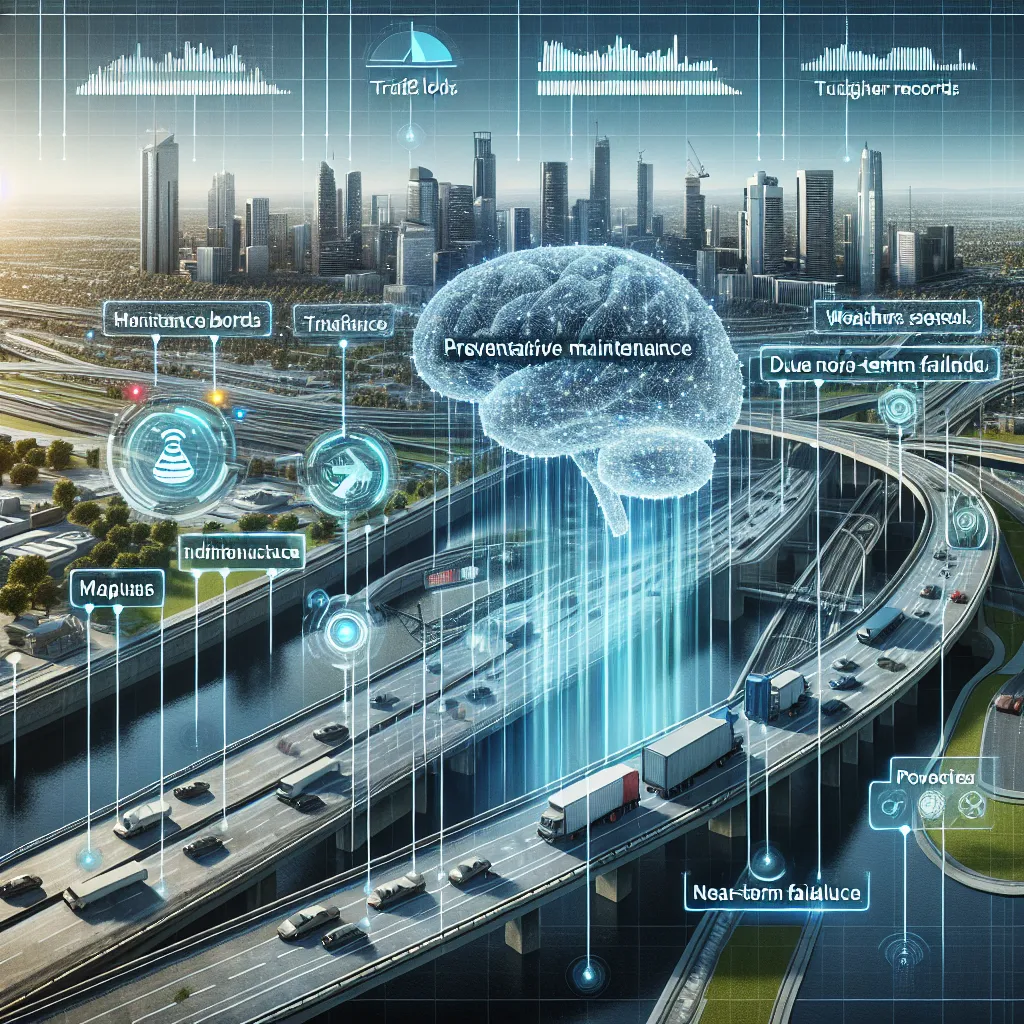
Most city infrastructure is repaired after it breaks. InfraSight flips that—using machine learning and inspection data to flag roads, bridges, and water lines at risk of near-term failure. It integrates with maintenance records, traffic logs, weather data, and vibration sensors to suggest which assets should be prioritized—before the next sinkhole or outage. Think of it as the “Preventative Care” layer for physical infrastructure. Inspired by how Delta uses predictive maintenance on aircraft.
Description
No additional description provided.
The Pitch
In today's rapidly urbanizing world, maintaining city infrastructure efficiently and proactively is crucial. Many cities face the challenge of reacting to infrastructure failures rather than preventing them. This approach often results in unnecessary costs, disruptions, and sometimes even safety hazards. InfraSight was conceived as a solution to this pressing issue. Inspired by the aviation industry's use of predictive maintenance, InfraSight aims to transform how cities manage their infrastructure, preventing failures before they occur.
Backstory As cities grow, the complexity of managing infrastructure increases. Traditional maintenance approaches often involve repairing infrastructure only after problems have escalated, leading to costly and disruptive repairs. The idea for InfraSight emerged from the question: What if cities could adopt a preventative approach similar to how airlines predict and prevent aircraft failures? This proactive mindset, already successfully implemented in other industries, inspired the development of a solution for city infrastructure management.
The Problem City infrastructure, including roads, bridges, and water lines, is frequently subject to unexpected failures. These failures can cause significant disruptions to city life, lead to considerable economic costs, and pose safety risks to residents. The current reactive maintenance strategies do not adequately address these issues and often lead to inefficient allocations of resources and budget overruns.
The Solution InfraSight offers a revolutionary approach to city infrastructure maintenance through the utilization of machine learning and data analytics. By integrating various data sources—ranging from maintenance records to real-time sensor data—InfraSight predicts potential failures before they happen. This foresight enables city planners to prioritize maintenance tasks, effectively allocating resources to the areas of greatest need, thus preventing disruptions and enhancing public safety.
Product Details InfraSight can be described as an intelligent analytics platform tailored for city infrastructure management. Key features include:
1. **Predictive Analytics**: Utilizing machine learning algorithms to analyze inspection data and predict potential infrastructure failures.
2. **Data Integration**: Seamlessly incorporates data from existing maintenance records, traffic logs, weather conditions, and vibration sensors to provide comprehensive insights.
3. **Prioritization Engine**: Suggests maintenance priorities based on predictive risk assessments, ensuring that the most vulnerable assets are addressed first.
4. **Real-time Monitoring**: Continuously updates risk assessments as new data becomes available, allowing for dynamic and responsive maintenance planning.
5. **User-Friendly Interface**: Designed with city planners in mind, InfraSight offers an intuitive dashboard with easy-to-interpret analytics and visualizations.
Tools for Launching as an MVP Launching InfraSight as a Minimum Viable Product (MVP) involves leveraging existing technologies and focusing on key functionalities:
1. **Machine Learning Frameworks**: Platforms like TensorFlow or PyTorch to develop predictive analytics capabilities.
2. **Data Integration Tools**: Utilizing APIs and microservices to facilitate data integration from disparate sources.
3. **Cloud Platforms**: Hosting the MVP on scalable cloud services like AWS or Azure to handle large datasets and provide reliable access.
4. **Front-end Development**: Employing tools such as React or Angular to create an engaging and responsive user interface.
GTM Strategy 1. **Target Market**: Focus on city municipalities and government agencies responsible for infrastructure management.
2. **Partnerships**: Establish collaborations with sensor manufacturers, urban planners, and maintenance service providers to enhance the offering.
3. **Pilot Programs**: Launch initial pilot projects in select cities to demonstrate the value and effectiveness of InfraSight.
4. **Awareness Campaigns**: Conduct workshops and seminars to educate city planners about the benefits of predictive maintenance for infrastructure.
Business Model InfraSight can adopt a subscription-based business model, offering different tiers of service based on the number of infrastructure assets and additional custom features. This approach ensures a steady revenue stream while providing flexibility for cities of varying sizes to adopt the system. Additionally, partnering with local governments for pilot programs can lead to long-term contractual agreements, further solidifying InfraSight's market presence.
Conclusion InfraSight represents a paradigm shift in city infrastructure management, moving from reactive repairs to proactive maintenance. By integrating machine learning and data analytics into the heart of maintenance planning, InfraSight not only enhances the longevity and reliability of infrastructure assets but also transforms the operations of city planners, creating safer and more efficiently managed urban environments.