Influencer Pricing Tool for Sponsorship Efficiency
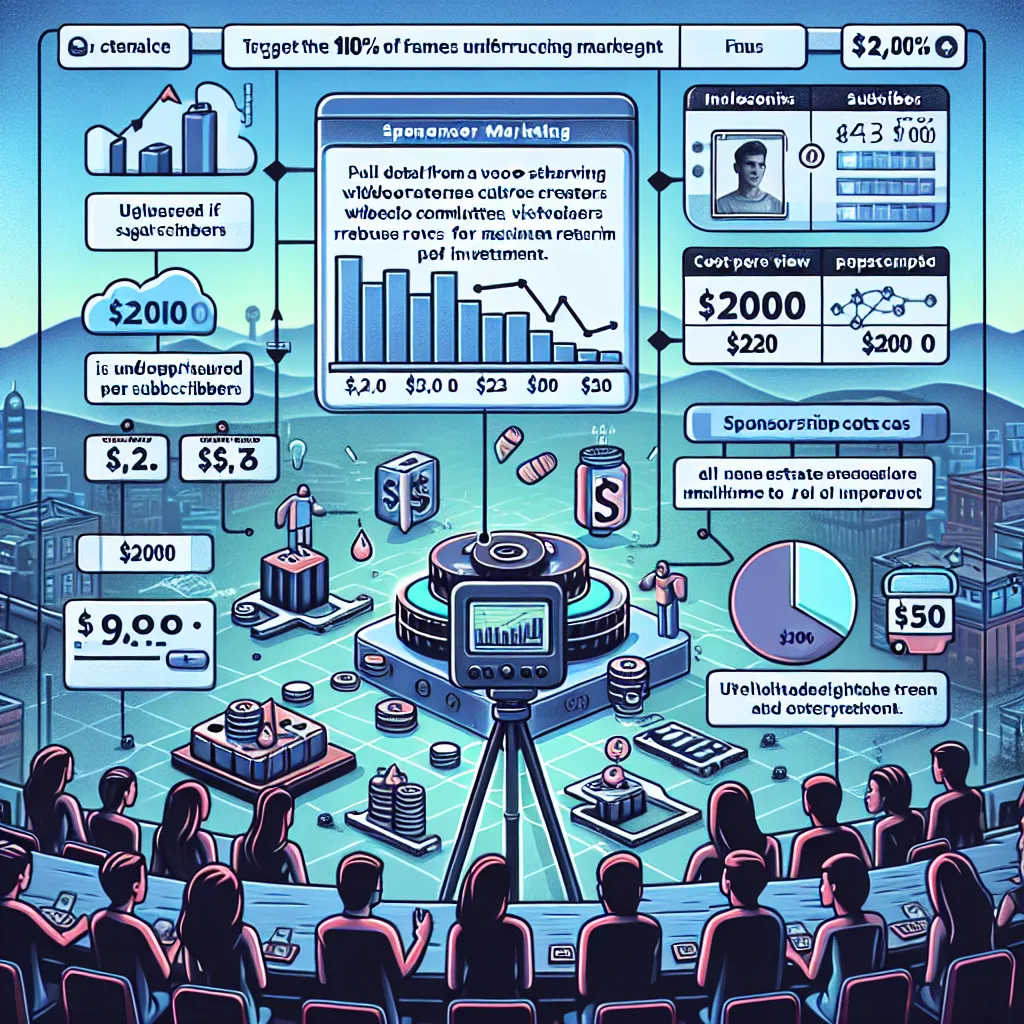
Most creators don’t know how to price their sponsorships, especially those with under 50k subscribers. This creates massive inefficiencies for marketers who are paying inconsistent rates for similar reach. A platform that scrapes YouTube data, requests pricing, and calculates CPM/view/subscriber ratios would help brands identify the most underpriced creators at scale. Marketers could target the top 10% of undervalued attention for maximum ROI. Think of it as an “influencer pricing Zillow.” For example, a SaaS tool could flag a creator charging $200 with 30k subs while others charge $2,000—highlighting a clear arbitrage opportunity.
Description
No additional description provided.
The Pitch
In the growing world of digital content, creators often struggle with pricing their sponsorships effectively, especially those with fewer than 50,000 subscribers. This results in significant inefficiencies for marketers who end up paying inconsistent rates for similar audience reach. To address this, there is a need for a specialized platform that can evaluate creator sponsorship rates, highlight undervalued opportunities, and assist marketers in making informed decisions.
### Backstory
The digital content landscape has exploded over the past decade, with platforms like YouTube becoming central to brand marketing strategies. Despite this growth, many small to mid-sized creators lack the expertise to price their sponsorship deals appropriately. This knowledge gap contributes to a fragmented marketplace where prices vary drastically for comparable audience sizes. Meanwhile, marketers are searching for cost-effective ways to engage with audiences through influencers, but the lack of pricing transparency and standardization makes this challenging.
### The Problem
1. **Lack of Pricing Knowledge**: Many creators do not know how to value their influence effectively, especially as they grow.
2. **Market Inefficiencies**: Inconsistent sponsorship pricing creates challenges for marketers seeking to maximize their budgets.
3. **Scalability Challenges**: Brands find it hard to identify undervalued creators at scale due to the manual research required.
### The Solution
Develop a platform designed to leverage data analytics to bring transparency to influencer pricing. This platform would:
1. **Scrape Data**: Collect data from platforms like YouTube regarding view counts, subscriber numbers, and engagement metrics.
2. **Request Pricing**: Enable creators to submit their sponsorship rates, creating a comprehensive database of pricing information.
3. **Analyze and Compare**: Calculate cost-per-thousand impressions (CPM), cost-per-view, and cost-per-subscriber ratios to identify pricing trends.
4. **Highlight Arbitrage Opportunities**: Identify and flag creators whose rates are significantly lower than market averages, offering marketers undervalued collaborations.
5. **Provide Market Insights**: Offer dashboards and reports to brands that enable them to make informed sponsorship decisions.
### Product Details
- **User Interface**: Intuitive dashboard for easy navigation and analysis. - **Machine Learning Algorithms**: To automate data collection, rate comparison, and trend analysis. - **Data Security**: Safeguard both influencer and brand information with robust data protection practices. - **Integration Capabilities**: API support for seamless integration with CRM and marketing systems.
### Tools for Building an MVP
- **Web Scraping**: Use tools like BeautifulSoup or Scrapy to gather data from public platforms. - **Data Analytics**: Employ Pandas and NumPy for comprehensive data analysis and manipulation. - **Machine Learning**: Leverage libraries like Scikit-learn for predictive analytics and anomaly detection. - **Web Development**: Use frameworks such as Django or Flask for a robust back-end and React for a dynamic front-end. - **Cloud Services**: Consider AWS or Google Cloud for scalable cloud computing and storage solutions.
### Go-To-Market Strategy
1. **Initial Target Audience**: Focus on digital marketing agencies and brands with active influencer marketing programs. 2. **Partnerships**: Collaborate with YouTube talent agencies to onboard creators and expand the pricing database. 3. **Marketing Campaigns**: Use content marketing and webinars to educate the market on pricing inefficiencies and the platform's benefits. 4. **Freemium Model**: Offer a basic free tier to attract users and convert them to premium plans with advanced features. 5. **Early Feedback Loop**: Engage initial users for product feedback to refine features and ensure product-market fit.
### Business Model
- **Subscription-Based**: Monthly or annual subscription plans with tiered pricing based on features and data access. - **Freemium Option**: Basic version with limited functionality to attract initial users and upsell premium features. - **Data Licensing**: Offer anonymized data sets to agencies and brands interested in deeper market analytics. - **Consulting Services**: Provide premium clients with custom analytical reports and strategy sessions to optimize their influencer campaigns.
By addressing the inefficiencies in influencer pricing, this platform would empower marketers with better insights and more effective engagement strategies while helping creators to appropriately monetize their content.