Influencer Pods: Collaborative Storytelling for Brand Impact
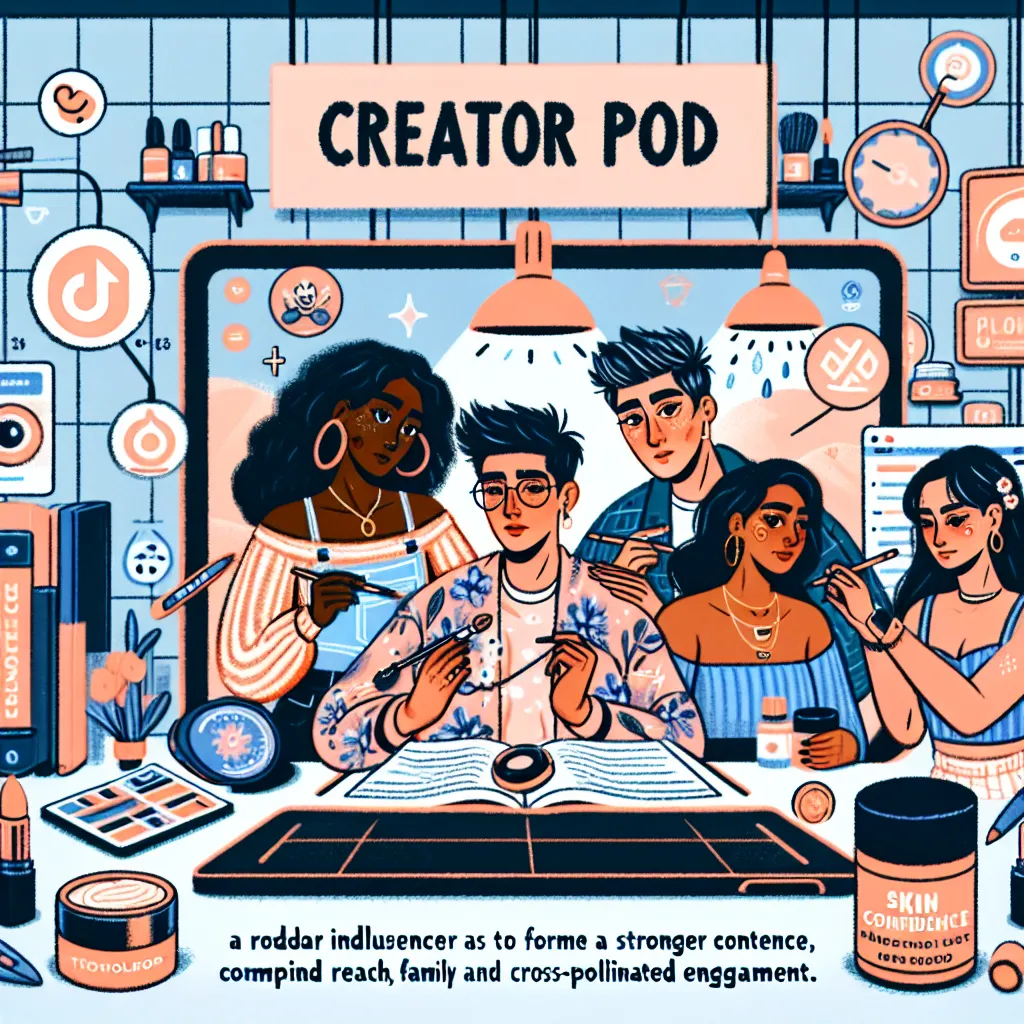
Most micro-influencers struggle to land brand deals solo, even if they have deep emotional engagement. But storytelling is stronger in clusters. This startup creates “creator pods” where 3–5 niche influencers co-create emotionally resonant content around themes like nostalgia, mental health, or everyday fashion. Brands sponsor the pod, not the individual, getting compound reach and cross-pollinated engagement. The trend: platforms like TikTok and IG Reels reward story-driven short form, and emotional relatability beats glossy polish. For example, a skincare brand targeting Gen Z could sponsor a pod of creators who share “skin confidence” stories from different angles—humor, family, healing—all tied to one narrative arc. This turns disconnected solo posts into multi-perspective campaigns that punch above their weight.
Description
No additional description provided.
The Pitch
Many micro-influencers find it challenging to secure brand deals on their own, even when they boast strong emotional engagement with their audiences. Solo efforts often fall short of making a substantial impact. However, storytelling emerges as a more potent tool when approached collaboratively. This is where a new concept steps in, forming creator pods for niche influencers. These are groups of 3 to 5 creators who come together to craft content that resonates emotionally around specific themes. Such themes might include nostalgia, mental health, or everyday fashion. Instead of a brand endorsing an individual influencer, these brands sponsor the entire pod, benefiting from a compounded reach and diversified engagement across different creators.
The changing landscape of social media platforms like TikTok and Instagram Reels showcases a growing preference for story-driven short-form content. Emotional relatability often outshines highly polished content, creating a perfect environment for creator pods to thrive. For instance, a skincare brand targeting Gen Z might support a creator pod that focuses on skin confidence stories. Each creator could contribute from unique angles—whether through humor, personal family narratives, or journeys of healing—all tied into a cohesive narrative arc. This transforms isolated posts into collaborative, multi-perspective campaigns that significantly amplify their impact.
**Backstory and Problem** The influencer marketing landscape is becoming increasingly saturated, with thousands of micro-influencers vying for limited brand partnerships. Despite having engaged audiences, many micro-influencers struggle to stand out and secure meaningful brand collaborations, primarily because their reach, when solo, may not seem substantial enough for brands looking for broader exposure.
**Solution and Product Details** This startup offers a platform that facilitates the formation of creator pods. Influencers can apply or be invited based on their niche, audience demographics, and engagement levels. The platform provides tools for them to collaborate on content seamlessly, from brainstorming sessions to scheduling coordinated posts. Brands are then able to sponsor these pods, receiving content that feels both authentic and diverse yet united under a common theme.
**Tools for Launching This as an MVP** 1. **Platform Development Tools**: Use no-code platforms like Bubble or Adalo to quickly build a web-based application for creator pod formation. 2. **Collaboration Tools**: Integrate existing tools like Slack or Trello to help creators communicate and plan their content calendars. 3. **Analytics**: Implement analytics software like Google Analytics or Mixpanel to track engagement and provide insights to both creators and brands.
**Go-To-Market Strategy** 1. **Partnerships with Influencer Agencies**: Form partnerships with influencer management agencies to onboard creators who are already looking for brand deals and collaborations. 2. **Brand Outreach**: Initially target brands in industries with a high affinity for storytelling, such as beauty, fashion, and travel, to secure initial sponsorships. 3. **Content Marketing**: Utilize content marketing by sharing case studies and success stories through channels like LinkedIn, industry blogs, and webinars. 4. **Social Media Presence**: Build a robust presence on platforms where these micro-influencers operate, showcasing what creator pods can accomplish through engaging content and testimonials.
**Business Model** The startup could operate on a subscription model where brands pay a monthly fee to access and sponsor creator pods. Alternatively, a commission-based model could be implemented, taking a percentage of the sponsorship fee. Additionally, offering premium services like advanced analytics or exclusive access to high-performing influencer pods might create additional revenue streams.
In conclusion, by enabling micro-influencers to team up and create authentic, engaging content under a unified theme, this platform positions itself as a catalyst for innovative influencer marketing. Brands benefit from richer, emotionally engaging narratives, while influencers gain increased exposure and more lucrative partnerships.