Influence Pricing Guide: Optimize Creator Earnings
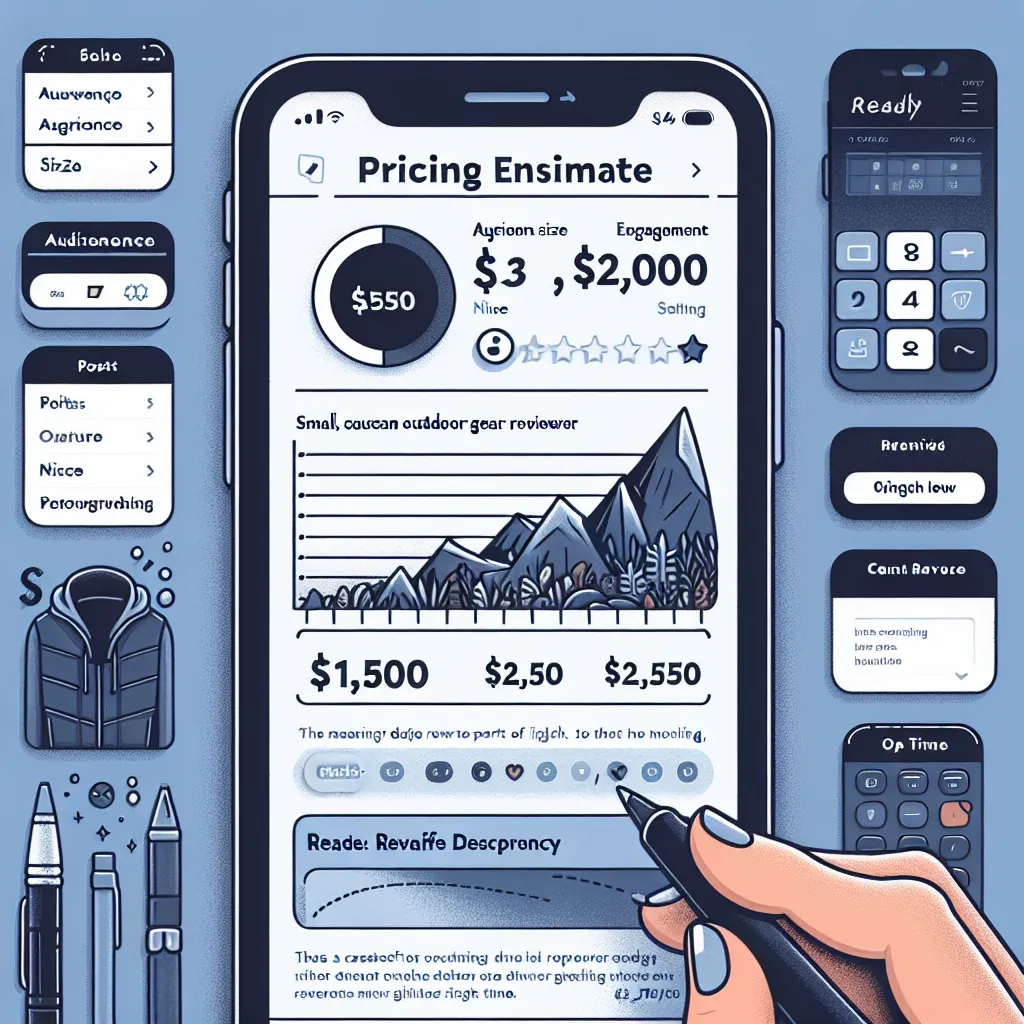
Creators notoriously undercharge because pricing is opaque. This app would be the Kelley Blue Book for influence—input your audience size, engagement, niche, and post type, and it instantly tells you what brands are paying for comparable creators. It also tracks your own history to help you negotiate higher rates over time. A small outdoor gear reviewer could discover they’re charging $1,500 while similar creators command $2,750—and use that data in their next pitch.
Description
No additional description provided.
The Pitch
Building a platform to empower content creators with accurate market pricing can transform the way they negotiate and earn from brand collaborations. Here's a detailed breakdown of how such a project can be conceptualized, launched, and grown into a successful business.
Introduction and Backstory: In the digital age, content creation has evolved into a viable career path for many. From beauty gurus to tech reviewers and travel enthusiasts, these creators hold significant influence over their audiences. However, a persistent challenge remains: creators often struggle with pricing their services due to a lack of transparent market data. Unlike established industries with standardized pricing guides, the influencer marketing sector is fragmented, leading to underpricing and lost revenue opportunities for many creators.
Identifying the Problem: The influencer market lacks a reliable pricing reference point. Many creators are unaware of their true market value, resulting in undercharging for their services. This issue is exacerbated by the opaque nature of influencer marketing deals, where brands and creators often negotiate in the dark. As a result, creators with similar audience metrics can receive vastly different offers, leading to inequity and frustration. Moreover, without historical pricing data, creators find it challenging to negotiate effectively or track their income growth over time.
Proposing a Solution: This solution aims to provide a comprehensive app that functions as a pricing guide for content creators. By inputting data such as audience size, engagement rates, niche, and post type, creators can receive instant pricing recommendations based on current market rates. The app also offers a feature for tracking historical income and deal data, empowering creators to negotiate better terms as they accumulate insights about their own market worth.
Product Details: To develop this pricing and negotiation platform for creators, key features should include: - A database collating anonymized pricing data from various creators and brands, ensuring accurate recommendations. - An intuitive interface where users can enter specific details about their content and audience. - A historical tracking tool that records past deals and earnings, aiding negotiation strategies. - An analytics dashboard providing market trends and insights into niche-specific pricing tendencies. - User profiles for creators to manage their deals, set pricing alerts, and receive negotiation tips.
Tools for MVP Launch: 1. No-code/low-code platforms: Utilize tools like Bubble or Adalo to quickly bring the app to life, allowing for rapid prototyping and iteration. 2. Analytics and data management: Incorporate solutions like Google Analytics and Airtable to handle data input and output effectively. 3. User feedback systems: Tools like Typeform can be used to gather feedback and iterate the product based on real user experiences.
Go-to-Market Strategy (GTM): To effectively launch and grow this platform, consider the following: 1. Early adopter engagement: Target creators who are active on niche platforms and involve them in the beta testing phase. 2. Partnerships with influencer marketing agencies to gain access to anonymized pricing data. 3. Content marketing: Publish insightful blogs and social media posts about pricing trends and negotiation tips to attract creators. 4. Community building: Develop forums or groups for creators to discuss experiences, share knowledge, and drive organic growth through word-of-mouth.
Business Model: Monetize the platform by offering subscription tiers: 1. Free basic access for individuals who need occasional pricing checks. 2. A premium tier offering advanced analytics, detailed market insights, and negotiation tools. 3. Collaboration with brands seeking access to aggregate data for more informed campaign planning. 4. Affiliate deals with influencer marketing tools or platforms that complement this app's offerings.
Conclusion: By addressing the core issue of opaque pricing in the influencer space, this app not only empowers creators to achieve fair compensation but also fosters transparency and trust within the industry. With a well-planned MVP, strategic partnerships, and a robust community, this platform can become an essential tool for content creators worldwide.